Tag: real estate

  • How to Price Your Home for Sale

    How to Price Your Home for Sale

    Are you thinking about selling your home? One of the most crucial decisions you’ll have to make is setting the right price. The right price can make all the difference in how quickly your home sells, and how much money you get for it.

    Here are some tips on how to price your home for sale:

    1. Understand the local real estate market. Before you can price your home correctly, you need to know what other homes in your area are selling for. This means looking at the local real estate market, including recent sales, current listings, and the average price per square foot. By doing your research, you can get a good sense of what your home is worth and what you can reasonably expect to sell it for.
    2. Compare your home to similar homes in your area. When looking at the local real estate market, focus on homes that are similar to yours. This means homes that are the same size, have the same number of bedrooms and bathrooms, and are in a similar condition. By comparing your home to these similar homes, you can get a better sense of how to price your home for sale.
    3. Factor in the cost of repairs and updates. If your home needs repairs or updates, you’ll need to factor these into your asking price. This means getting quotes for any necessary repairs or upgrades and deducting the cost from your asking price. By doing this, you can make sure you’re not overpricing your home and scaring off potential buyers.
    4. Don’t overprice your home. One of the biggest mistakes you can make when selling your home is overpricing it. If you price your home too high, you’ll scare off potential buyers and your home will sit on the market for longer than it should. This can lead to a lower final sale price, as buyers will assume that there must be something wrong with the home if it’s been on the market for a long time.
    5. Get a professional appraisal. If you’re still not sure how to price your home for sale, consider getting a professional appraisal. An appraiser will look at your home’s features, location, and condition, as well as recent sales in your area, to determine its value. While an appraisal can cost a few hundred dollars, it can be worth it in the long run if it helps you sell your home quickly and for the right price.
    6. Consider the time of year. Finally, it’s important to consider the time of year when you’re selling your home. The real estate market can be seasonal, with more homes on the market in the spring and summer months. By timing your sale correctly, you can increase your chances of selling your home quickly and for the right price.

    According to a study by the National Association of Realtors, homes that are priced correctly sell for an average of 95% of their asking price. Homes that are overpriced, on the other hand, can take months to sell and may even sell for less than their asking price.

    Real estate agents have a wealth of experience in pricing homes for sale. They can use their knowledge of the local market to help you set a fair price for your home.

    Here are a few anecdotes from real estate agents about the importance of pricing a home correctly:

    • “I had a client who priced her home too high. It sat on the market for six months before she finally lowered the price. By then, she had already lost out on a lot of potential buyers.”
    • “I had another client who priced his home too low. He got multiple offers over asking price and ended up selling his home for more than he thought it was worth.”

    By following the tips in this article, you can avoid the mistakes that many sellers make when pricing their homes for sale. By doing your research, taking your time, and getting professional advice, you can ensure that you get the right price for your home.

    What is the best way to determine the value of my home?

    There are a few different ways to determine the value of your home. One way is to look at recent sales of similar homes in your area. You can do this by using a real estate website or by talking to a real estate agent. Another way to determine the value of your home is to get a professional appraisal. An appraiser will look at your home’s features, location, and condition to determine its value.

    Should I price my home higher than what I want to sell it for?

    No, you should not price your home higher than what you want to sell it for. If you do, you will likely scare off potential buyers and your home will sit on the market for a long time. It is important to price your home competitively so that it sells quickly and for the best possible price.

    How much does a professional appraisal cost?

    The cost of a professional appraisal varies depending on the size and location of your home. In general, you can expect to pay between $300 and $500 for an appraisal.

    What if my home needs repairs before I can sell it?

    If your home needs repairs before you can sell it, you will need to factor the cost of those repairs into your asking price. You can also try to do some of the repairs yourself to save money.

    How long does it typically take to sell a home?

    The time it takes to sell a home varies depending on a number of factors, including the current market conditions, the condition of your home, and your asking price. In general, it takes between 30 and 90 days to sell a home.

    I hope this article was helpful! If you have any questions, please feel free to leave a comment below.

  • Navigating Rising Mortgage Rates in 2023: How to Get Pre-Approved for a Mortgage

    Navigating Rising Mortgage Rates in 2023: How to Get Pre-Approved for a Mortgage

    Buying a house is a significant decision, and getting pre-approved for a mortgage is a crucial step in the process. Pre-approval gives you an idea of how much you can afford to borrow and makes it more likely that your offer will be accepted. Here is a step-by-step guide on how to get pre-approved for a mortgage:

    1. Get your finances in order: Gather your income and debt documentation, such as tax returns, pay stubs, and bank statements. You will also need a copy of your credit report.
    2. Shop around for lenders: There are many lenders out there, so it’s important to compare rates and terms before you choose one. Use a mortgage calculator to estimate your monthly payments.
    3. Apply for pre-approval: Fill out an application and provide the required documentation to the lender. The lender will review your application and issue you a pre-approval letter. The letter will state the amount of money you’re qualified to borrow, the interest rate you’ll be offered, and the length of the loan. This information is helpful to your real estate agent when making offers on houses.
    4. Prepare to answer questions: Be prepared to answer questions about your finances accurately and honestly.
    5. Negotiate: Don’t be afraid to negotiate with the lender to get a better interest rate.

    While getting pre-approved for a mortgage is an important step in the home buying process, it’s also important to keep in mind that pre-approval is not a guarantee of a mortgage loan. The lender can still deny your application even after pre-approval if there are changes to your financial situation, such as a job loss or significant increase in debt.

    To avoid this scenario, it’s important to maintain financial stability and avoid major purchases or changes to your financial situation until after the loan has closed. This includes avoiding new credit applications, paying bills on time, and keeping your credit utilization low.

    Additionally, it’s important to understand that the pre-approval amount is not necessarily the same as the maximum amount you can borrow. The pre-approval amount is simply the amount that the lender is willing to offer based on the information you provided at the time of application. Once you find a home and make an offer, the lender will evaluate the property and re-assess your financial situation to determine the actual amount they are willing to lend.

    In summary, getting pre-approved for a mortgage is a crucial step in the home buying process. By following the tips outlined in this article, you can increase your chances of getting pre-approved and obtaining the best possible mortgage deal. Remember to maintain financial stability and avoid major changes to your financial situation until after the loan has closed to ensure a smooth and successful home buying experience.

    Bonus Pro Tip:

    Once you’re pre-approved for a mortgage, keep your finances in order. This means making all of your payments on time and keeping your credit score high. If your financial situation changes, inform your lender right away.

    Bonus Pro Tip #2:

    When interest rates are rising, consider shopping around for a mortgage, opting for a shorter loan term, making a larger down payment, paying down your debt, or increasing your income. By following these tips, you can mitigate the impact of rising interest rates on your mortgage.

    FAQs:

    How long does it take to get pre-approved for a mortgage?

    The time it takes to get pre-approved for a mortgage can vary depending on a number of factors, including the lender, the type of loan you’re applying for, and the amount of documentation you need to provide. However, in general, it can take anywhere from a few days to a few weeks to get pre-approved.

    What’s the difference between pre-qualification and pre-approval?

    Pre-qualification is a process that gives you an idea of how much you can borrow for a mortgage. It’s a relatively quick and easy process that doesn’t require any documentation. Pre-approval, on the other hand, is a more in-depth process that involves providing the lender with documentation about your income, assets, and debts. Pre-approval is more accurate than pre-qualification and can give you a better idea of how much you can afford to borrow.

    How can I improve my chances of getting pre-approved for a mortgage?

    There are a few things you can do to improve your chances of getting pre-approved for a mortgage:

    • Get your finances in order. This includes gathering your income and debt documentation, such as your tax returns, pay stubs, and bank statements. You’ll also need to get a copy of your credit report.
    • Shop around for lenders. There are many different lenders out there, so it’s important to compare rates and terms before you choose one. You can use a mortgage calculator to help you estimate your monthly payments.
    • Have a good credit score. A good credit score is essential for getting a mortgage. You can improve your credit score by paying your bills on time, keeping your debt low, and avoiding late payments or collections.
    • Make a down payment. A down payment is a percentage of the purchase price of the home that you pay upfront. The larger your down payment, the lower your monthly mortgage payment will be.
    • Choose a shorter loan term. A shorter loan term will have a higher monthly payment, but you’ll pay less interest over the life of the loan.

    What are the income requirements for a mortgage pre-approval?

    The income requirements for a mortgage pre-approval vary depending on the lender and the type of loan you’re applying for. However, in general, you’ll need to have a steady income that is sufficient to cover your monthly mortgage payments and other debt obligations.

    Can I get pre-approved for a mortgage with bad credit?

    It may be more difficult to get pre-approved for a mortgage with bad credit, but it’s not impossible. There are lenders who specialize in mortgages for borrowers with bad credit. However, you’ll likely have to pay a higher interest rate and may have to put down a larger down payment.

    I hope this answers your questions. Please let me know if you have any other questions.

  • How to Prepare for a Home Inspection

    How to Prepare for a Home Inspection

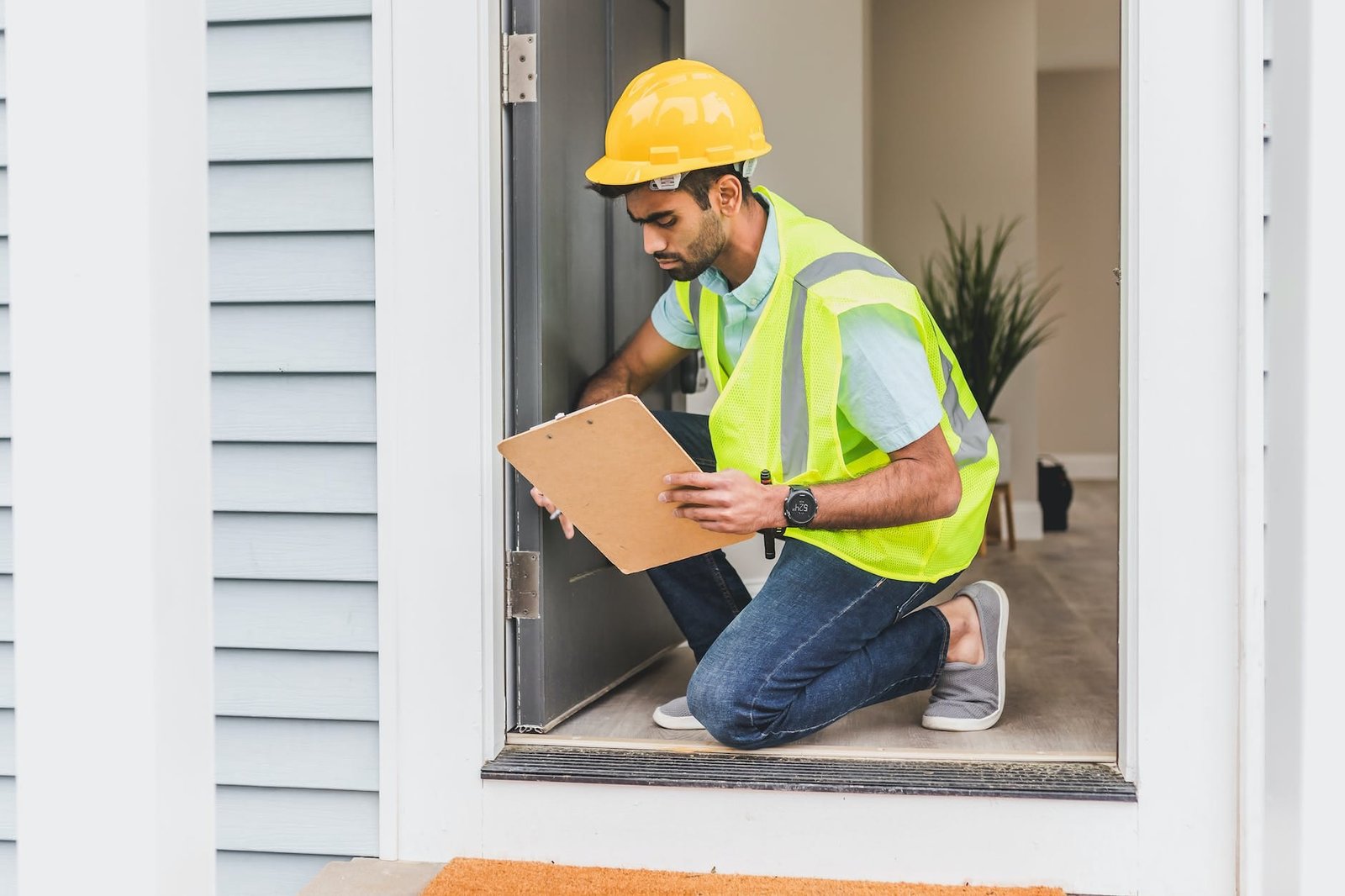
    If you’re planning on selling your home or buying a new one, a home inspection is an essential step in the process. A home inspection is a visual examination of the property’s condition, and it can help you identify any potential problems with the home before you commit to buying or selling. However, preparing for a home inspection can be a daunting task, especially if you’re not sure what to expect. In this article, we’ll cover everything you need to know about how to prepare for a home inspection.

    Understanding What a Home Inspection Is

    Before we dive into how to prepare for a home inspection, it’s essential to understand what a home inspection is and why it’s necessary. A home inspection is a visual examination of a property’s physical structure and systems, from the foundation to the roof. The goal of a home inspection is to identify any issues that could affect the property’s value or safety. A home inspector will examine the home’s heating and cooling systems, electrical and plumbing systems, the roof, foundation, walls, ceilings, and floors.

    Researching Home Inspectors

    The first step in preparing for a home inspection is to research home inspectors in your area. You want to find a qualified and experienced inspector who will provide a thorough examination of the property. Look for inspectors who are members of professional organizations like the American Society of Home Inspectors (ASHI) or the National Association of Home Inspectors (NAHI). Check their reviews and ratings to ensure they have a good reputation.

    Preparing the Home

    Preparing the home for a home inspection is an essential step in the process. The inspector needs to have access to all areas of the property, so make sure all areas are accessible. Clear out clutter from around the furnace, water heater, and electrical panel, and ensure that all utilities are turned on, including gas, water, and electricity.

    Making Minor Repairs

    While a home inspection is not a pass or fail test, minor repairs can go a long way in improving the condition of the property. Fix any leaky faucets or toilets, replace burnt-out light bulbs, and patch any holes in the walls. If you have a leaky roof or a more significant issue, consider hiring a professional to make the repairs before the inspection.

    Cleaning the Home

    A clean home can make a good impression on the inspector and potential buyers. Dust and vacuum the floors, clean the bathrooms and kitchen, and wipe down all surfaces. A clean home also makes it easier for the inspector to access all areas of the property.

    Attending the Inspection

    While it’s not required, it’s a good idea to attend the inspection. This way, you can ask questions and address any concerns the inspector may have. You can also learn more about the property’s condition and get a better idea of what to expect in terms of repairs or maintenance.

    Staying Calm

    A home inspection can be a nerve-wracking experience, especially if you’re selling your home. However, it’s important to stay calm and remember that the inspector is there to help you. The inspector’s job is to identify any potential issues with the property so that you can address them before the sale. It’s not a personal attack on you or your property.

    Knowing What to Expect

    Finally, it’s essential to know what to expect from a home inspection. The inspector will spend several hours examining the property, taking notes and photos of any issues they find. After the inspection, you’ll receive a report detailing their findings. The report will include any major issues with the property, as well as minor issues that may need attention.

    Preparing for a home inspection can be a time-consuming and stressful process, but it’s worth it in the end.

    By taking the time to prepare your home for a home inspection, you can ensure that the inspection process goes smoothly and that any potential issues are identified and addressed. Remember to research home inspectors, prepare the home, make minor repairs, clean the home, attend the inspection, stay calm, and know what to expect.

    In addition, it’s important to keep in mind some additional tips for a successful home inspection:

    1. Provide Documentation: If you’ve recently had any repairs or upgrades done to your home, such as a new roof or HVAC system, make sure to provide documentation to the inspector. This can help demonstrate that the work was done professionally and can give the inspector a better understanding of the home’s condition.
    2. Remove Obstructions: Ensure that all areas of the home are accessible by removing any obstructions. This includes moving furniture, clearing debris from the yard, and unlocking any doors or gates that may be needed for inspection.
    3. Test Smoke and Carbon Monoxide Detectors: Make sure that all smoke detectors and carbon monoxide detectors in the home are in proper working order. Test them to ensure they are functioning correctly and replace any batteries if needed.
    4. Check Electrical Outlets and Light Switches: Go through the home and check all electrical outlets and light switches to make sure they are functioning properly. Replace any burnt-out bulbs or address any faulty outlets or switches.
    5. Check for Water Leaks: Inspect the home for any signs of water leaks, such as water stains on ceilings or walls, musty odors, or water pooling around fixtures. Address any leaks or water damage before the inspection.
    6. Clean Gutters and Downspouts: Ensure that gutters and downspouts are clear of debris and functioning properly. Clean them out to prevent any potential water damage issues.
    7. Check the Foundation: Inspect the foundation of the home for any cracks, settling, or other signs of damage. Address any issues promptly to prevent further damage.
    8. Check the Roof: Inspect the roof for any missing shingles, damage, or signs of leaks. Address any issues with the roof to ensure it’s in good condition.
    9. Check the HVAC System: Have your HVAC system inspected and serviced by a professional to ensure it’s in good working order. Clean or replace filters and address any repairs or maintenance needed.
    10. Address Pest Control Issues: If you have any ongoing pest control issues, such as termites or rodents, address them before the inspection. Pest infestations can raise red flags during a home inspection.

    Conclusion

    Preparing for a home inspection is a crucial step in the home buying or selling process. By following the tips outlined in this article, you can ensure that your home is ready for inspection and that any potential issues are addressed beforehand. Remember to research home inspectors, prepare the home, make minor repairs, clean the home, attend the inspection, stay calm, know what to expect, and follow additional tips for a successful home inspection. With proper preparation, you can increase the chances of a smooth and successful home inspection process.

    Frequently Asked Questions (FAQs)

    1. How long does a home inspection usually take?

    The duration of a home inspection can vary depending on the size and condition of the home, but it typically takes a few hours to complete.

    1. Should I be present during the home inspection?

    While it’s not required, it’s recommended to be present during the home inspection so that you can ask questions and address any concerns the inspector may have.

    1. Can I use the home inspection report for negotiation during the home buying process?

    Yes, the home inspection report can be used as a negotiating tool during the home buying process. It can help you negotiate repairs or price adjustments based on the findings of the inspection.

    1. What if the home inspection reveals major issues with the property?

    If the home inspection reveals major issues with the property, you may need to reconsider your decision to buy or sell the home. You can work with your real estate agent and other professionals to determine the best course of action.

    1. How much does a home inspection typically cost?

    The cost of a home inspection can vary depending on the location, size, and condition of the home, as well as the inspector’s experience and qualifications.

  • The Pros and Cons of Buying a New Build

    The Pros and Cons of Buying a New Build

    1. Introduction
    2. Pros of Buying a New Build
      • Modern and Energy-Efficient Features
      • Customization Options
      • Reduced Maintenance Costs
      • Warranty and Guarantees
      • Access to Amenities
    3. Cons of Buying a New Build
      • Higher Initial Cost
      • Potential for Delays and Issues
      • Limited Character and Charm
      • Lack of Established Neighborhood
      • Potential for Changes in Property Value
    4. Factors to Consider Before Buying a New Build
      • Location and Surrounding Area
      • Builder’s Reputation and Track Record
      • Quality of Construction and Materials
      • Future Development Plans
      • Financing Options and Affordability
    5. Conclusion
    6. FAQs

    Are you in the market for a new home? If so, you may be considering the option of buying a new build. With the demand for new homes on the rise, especially in growing urban areas, new build properties are becoming a popular choice for many homebuyers. However, as with any major financial decision, there are both pros and cons to buying a new build. In this article, we will explore the advantages and disadvantages of purchasing a new build home, so you can make an informed decision that aligns with your needs and preferences.

    Pros of Buying a New Build

    Modern and Energy-Efficient Features

    One of the main advantages of buying a new build is the inclusion of modern and energy-efficient features. New build homes are typically designed with the latest building materials and construction techniques, which often result in better insulation, improved energy efficiency, and reduced utility bills. These homes may also come with advanced technology, such as smart home systems, which can enhance your living experience and add convenience to your daily life.

    Customization Options

    Another benefit of buying a new build is the opportunity to customize your home. Many builders offer various customization options, allowing you to personalize your living space to suit your style and preferences. From choosing the floor plan and finishes to selecting upgrades and extras, you have more flexibility in creating a home that reflects your unique taste and lifestyle.

    Reduced Maintenance Costs

    New build homes are typically designed with low-maintenance materials and systems, which can result in reduced maintenance costs compared to older properties. With a new build, you are less likely to encounter issues such as leaking roofs, faulty plumbing, or outdated electrical systems, which can save you both time and money in the long run. Additionally, new build homes often come with warranties and guarantees, providing you with added peace of mind and protection against unexpected repair costs.

    Warranty and Guarantees

    Most new build homes come with warranties and guarantees from the builder, covering various aspects of the property, such as structural defects, appliances, and installations. These warranties can give you reassurance that your investment is protected and provide you with recourse in case of any issues that may arise after the purchase. However, it’s essential to carefully review the terms and conditions of the warranties and understand what is covered and for how long.

    Access to Amenities

    New build homes are often part of planned developments or communities that offer a range of amenities and facilities for residents. These may include parks, playgrounds, fitness centers, swimming pools, and community spaces. Living in a new build development can provide you with access to these amenities, which can enhance your quality of life and create a sense of community and belonging.

    Cons of Buying a New Build

    Higher Initial Cost

    One of the main drawbacks of buying a new build is the higher initial cost compared to older properties. New build homes tend to be priced higher due to the inclusion of modern features, customization options, and the cost of construction. This can make it challenging for some homebuyers, especially those on a tight budget or first-time buyers, to afford a new build property. It’s essential to carefully evaluate your budget and financial situation before committing to a new build purchase and ensure that it aligns with your long-term financial goals.

    Potential for Delays and Issues

    Another potential downside of buying a new build is the possibility of delays and issues during the construction process. Construction timelines can sometimes be extended due to unforeseen circumstances, such as weather conditions, labor shortages, or permit delays. This can disrupt your plans and timeline for moving into your new home, causing inconvenience and frustration. Additionally, new build homes may also encounter construction-related issues or defects, which may require further attention and rectification.

    Limited Character and Charm

    While new build homes often offer modern and updated features, they may lack the character and charm that older properties may have. Older homes may have unique architectural details, historical significance, or established landscaping that adds to their charm and appeal. New builds, on the other hand, may have a more uniform and standardized design, which may not appeal to those who appreciate individuality and character in a home.

    Lack of Established Neighborhood

    Another potential downside of buying a new build is the lack of an established neighborhood. New build developments are often located in emerging areas or on the outskirts of cities, which may not have the same sense of community and amenities as established neighborhoods. It may take time for the surrounding area to develop, and you may have to wait for amenities such as schools, shopping centers, or public transportation to be established. This may impact your lifestyle and convenience, depending on your needs and preferences.

    Potential for Changes in Property Value

    New build properties are subject to changes in property value, just like any other type of real estate. While new builds may initially hold their value well due to their modern features and warranties, changes in the local housing market, economic conditions, or neighborhood developments can impact the property’s value over time. It’s essential to carefully research and consider the potential for changes in property value before buying a new build and make sure it aligns with your long-term investment goals.

    Factors to Consider Before Buying a New Build

    Before deciding to buy a new build, there are several factors you should carefully consider to ensure that it’s the right choice for you. Some of the essential factors to evaluate include:

    Location and Surrounding Area

    The location of the new build development is crucial to consider. Evaluate factors such as proximity to your workplace, schools, transportation, amenities, and future development plans. Research the neighborhood and surrounding area to determine if it aligns with your lifestyle, preferences, and long-term plans.

    Builder’s Reputation and Track Record

    The reputation and track record of the builder of the new build development are vital to consider. Research the builder’s history, experience, and customer reviews to gauge their reliability, quality of construction, and after-sales service. It’s crucial to choose a reputable and reliable builder to ensure that your investment is protected.

    Quality of Construction and Materials

    The quality of construction and materials used in the new build development is crucial to evaluate. Look for features such as energy-efficient insulation, durable materials, and modern construction techniques. Consider hiring a professional home inspector to assess the quality of construction and identify any potential issues.

    Future Development Plans

    Research the future development plans for the new build development and the surrounding area. Consider factors such as potential changes in property value, future amenities, infrastructure projects, or zoning changes that may impact the area’s development and livability in the long run.

    Financing Options and Affordability

    Evaluate your financing options and affordability before buying a new build. Consider factors such as down payment requirements, mortgage rates, and ongoing costs such as property taxes, HOA fees, and maintenance costs. Make sure you have a clear understanding of your budget and financial capabilities to afford a new build purchase comfortably.

    Builder’s Warranties and After-Sales Service

    One of the advantages of buying a new build is the builder’s warranties and after-sales service. Research the warranties provided by the builder, including structural warranties, appliance warranties, and workmanship warranties. Additionally, inquire about the builder’s after-sales service and responsiveness to address any issues or concerns after the purchase.

    Amenities and Features

    New build homes often come with modern amenities and features that can enhance your lifestyle. Consider the amenities offered in the development, such as parks, community centers, pools, or fitness facilities. Also, evaluate the features of the new build home itself, such as smart home technology, energy-efficient appliances, and updated design elements that can provide convenience and comfort.

    Long-Term Investment Potential

    Evaluate the long-term investment potential of buying a new build. Research the local housing market trends, economic conditions, and future development plans to assess the potential appreciation in property value. Consider the location, quality of construction, and amenities offered in the new build development to determine its investment potential in the long run.

    Conclusion

    Buying a new build home has its pros and cons, and it’s essential to carefully evaluate your needs, budget, and long-term goals before making a decision. New builds offer modern features, warranties, and potential for long-term investment, but they may also come with downsides such as higher costs, potential delays, and lack of character. Consider all the factors discussed above, do thorough research, and consult with professionals if needed to make an informed decision.

    FAQs

    1. Are new build homes more expensive than older properties?

    New build homes tend to be priced higher than older properties due to their modern features and warranties. However, it’s crucial to carefully evaluate your budget and financial capabilities before committing to a new build purchase.

    1. Can I negotiate the price of a new build home?

    In some cases, there may be room for negotiation with the builder on the price of a new build home. It’s worth exploring the possibility and working with a real estate agent who has experience in new build transactions.

    1. What should I look for in a reputable builder for a new build?

    When evaluating a builder for a new build, consider their reputation, track record, customer reviews, quality of construction, and after-sales service. It’s important to choose a reputable and reliable builder to ensure a smooth home buying experience.

    1. Are new build homes more energy-efficient?

    New build homes often come with energy-efficient features such as insulation, appliances, and construction techniques. However, it’s essential to research and verify the specific energy-efficient features offered by the builder.

    1. Can I customize a new build home to my preferences?

    Some builders may offer customization options for new build homes, while others may have pre-set designs and finishes. It’s important to inquire with the builder about customization options and associated costs, if any, before committing to a new build purchase.