Tag: real estate

  • Hidden Costs of Homeownership: How to Prepare, Find the Best Realtor Near You, and Budget for Moving Costs

    Hidden Costs of Homeownership: How to Prepare, Find the Best Realtor Near You, and Budget for Moving Costs

    Introduction

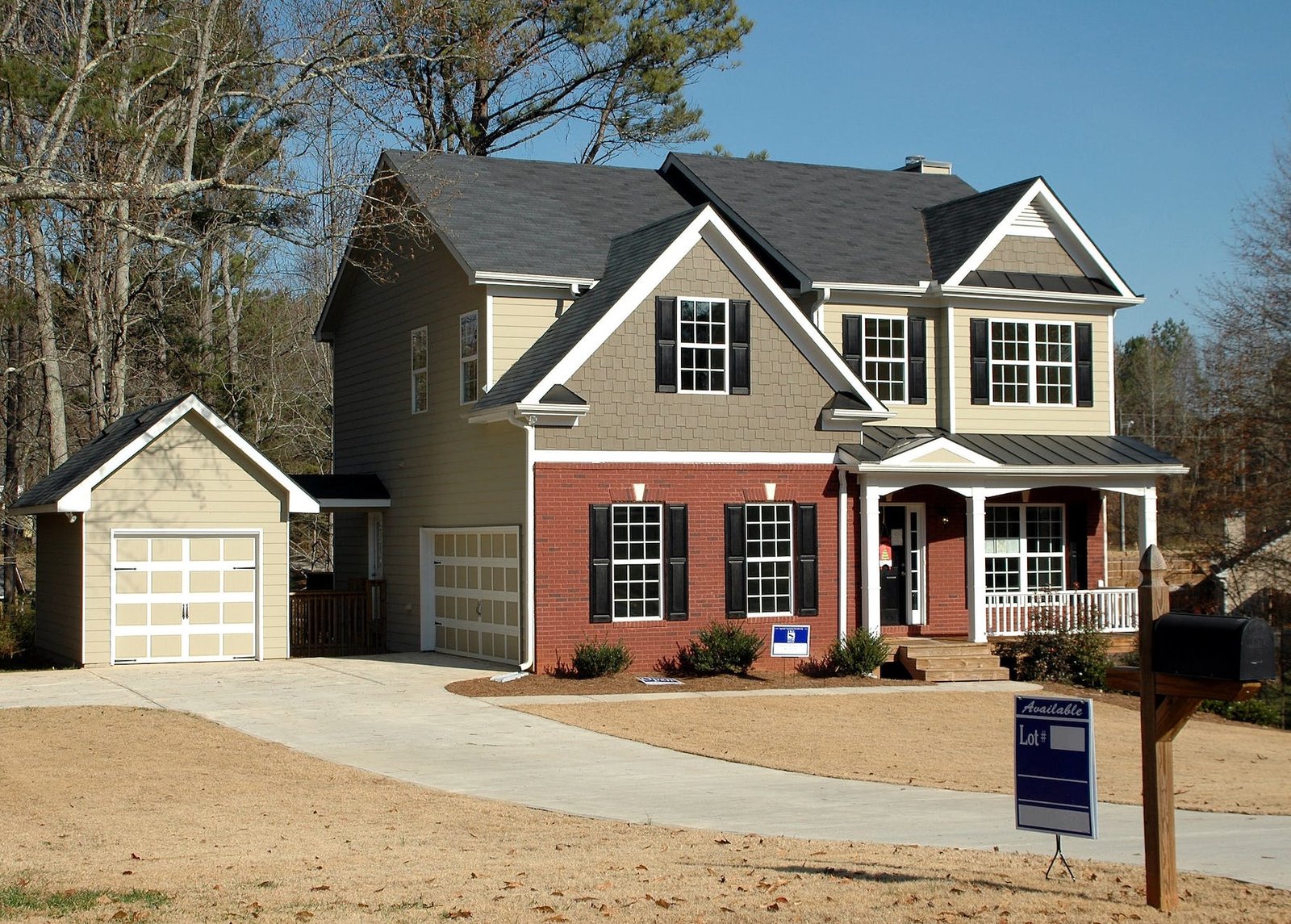
    Purchasing a home is a major life decision, and it’s important to be prepared for the financial commitment involved. Beyond the initial down payment and mortgage, there are numerous hidden costs that can catch buyers off guard. In this article, we will explore these often overlooked expenses, shedding light on the financial aspects of homeownership. By being aware of these hidden costs, prospective buyers can make informed decisions and ensure a smoother transition into their new homes.

    How to Prepare for the Hidden Costs of Homeownership

    One of the best ways to prepare for the hidden costs of homeownership is to work with a qualified realtor. A good realtor will be familiar with the local market and can help you find a home that fits your budget and needs. They can also help you navigate the home buying process and negotiate the best possible price.

    If you’re not sure where to start, you can ask for recommendations from friends, family, or colleagues. You can also search online for realtors in your area. Once you’ve found a few candidates, be sure to interview them and ask about their experience, fees, and marketing strategies.

    Choosing the right realtor is an important decision, but it doesn’t have to be difficult. By following these tips, you can find a qualified realtor who can help you make the home buying process as smooth and stress-free as possible.

    Here are some of the hidden costs of homeownership that you should be aware of:

    • Closing costs: These are the fees associated with buying a home, and they can add up to thousands of dollars. They typically include things like appraisal fees, title insurance, and recording fees.
    • Property taxes: These are taxes that you pay to the local government based on the value of your home. They can be a significant expense, and they can increase over time.
    • Homeowners insurance: This is insurance that protects your home from damage caused by fire, theft, and other hazards. It is usually required by lenders, and it can be a significant expense.
    • Maintenance and repairs: Even a well-maintained home will need occasional repairs and maintenance. These costs can add up over time, so it’s important to budget for them.
    • Utilities: These are the costs of heating, cooling, water, and electricity. They can vary depending on the size of your home and the climate you live in.
    • Pest control: This is the cost of preventing and treating pests, such as termites and rodents. It is usually a recurring expense, and it can be expensive.
    • Homeowners association fees: If you live in a community with a homeowners association, you will be required to pay monthly fees. These fees can cover things like maintenance of common areas, trash removal, and insurance.
    • Moving costs: Moving can be a costly endeavor, and it’s important to budget for it. The cost of moving will vary depending on the size of your home, the distance you’re moving, and the services you choose.

    How to Find the Best Realtor Near You

    When you’re looking for a realtor, it’s important to find someone who is qualified, experienced, and has a good reputation. Here are a few tips for finding the best realtor near you:

    • Ask for recommendations from friends, family, or colleagues.
    • Search online for realtors in your area.
    • Interview several realtors before making a decision.

    When you’re interviewing realtors, be sure to ask about their experience, fees, and marketing strategies. You should also ask for references so you can speak to past clients.

    How to Budget for Moving Costs

    Moving can be a costly endeavor, but it’s important to budget for it. The cost of moving will vary depending on the size of your home, the distance you’re moving, and the services you choose.

    Here are a few tips for budgeting for moving costs:

    • Get estimates from several moving companies.
    • Consider hiring a moving company that specializes in packing and unpacking.
    • Pack your own boxes and furniture to save money.
    • Rent a moving truck or van instead of hiring a moving company.
    • Ask friends and family for help with moving.
    • Donate or sell items that you don’t need to move.
    • Negotiate a lower price on your new home to cover the cost of moving.

    By being aware of the hidden costs of homeownership, you can make informed decisions about whether or not homeownership is right for you. And by working with a qualified realtor and budgeting for moving costs, you can find the best home for your budget and needs and navigate the home buying process smoothly.

    Here are some additional tips for making the home buying process as smooth as possible:

    • Get pre-approved for a mortgage before you start looking at homes. This will give you an idea of how much you can afford and make the offer process go more smoothly.
    • Be prepared to act quickly. When you find a home that you love, be prepared to make an offer right away. Homes can sell quickly, so it’s important to be ready to move.
    • Don’t be afraid to negotiate. The asking price is just a starting point. Be prepared to negotiate on the price, closing costs, and any other terms of the sale.
    • Do your research. Before you make an offer, be sure to research the neighborhood, the schools, and any other factors that are important to you.

    By following these tips, you can make the home buying process a little bit less stressful and a little bit more enjoyable.

  • Common Misconceptions About Property Values

    Common Misconceptions About Property Values

    At Relevé, we believe in providing accurate and up-to-date information to our clients, empowering them to make informed decisions about property investments. In this article, we address common misconceptions about property values and aim to dispel any misinformation that may hinder individuals from making sound real estate choices. By understanding these misconceptions and their implications, you can navigate the property market more confidently and effectively.

    Introduction

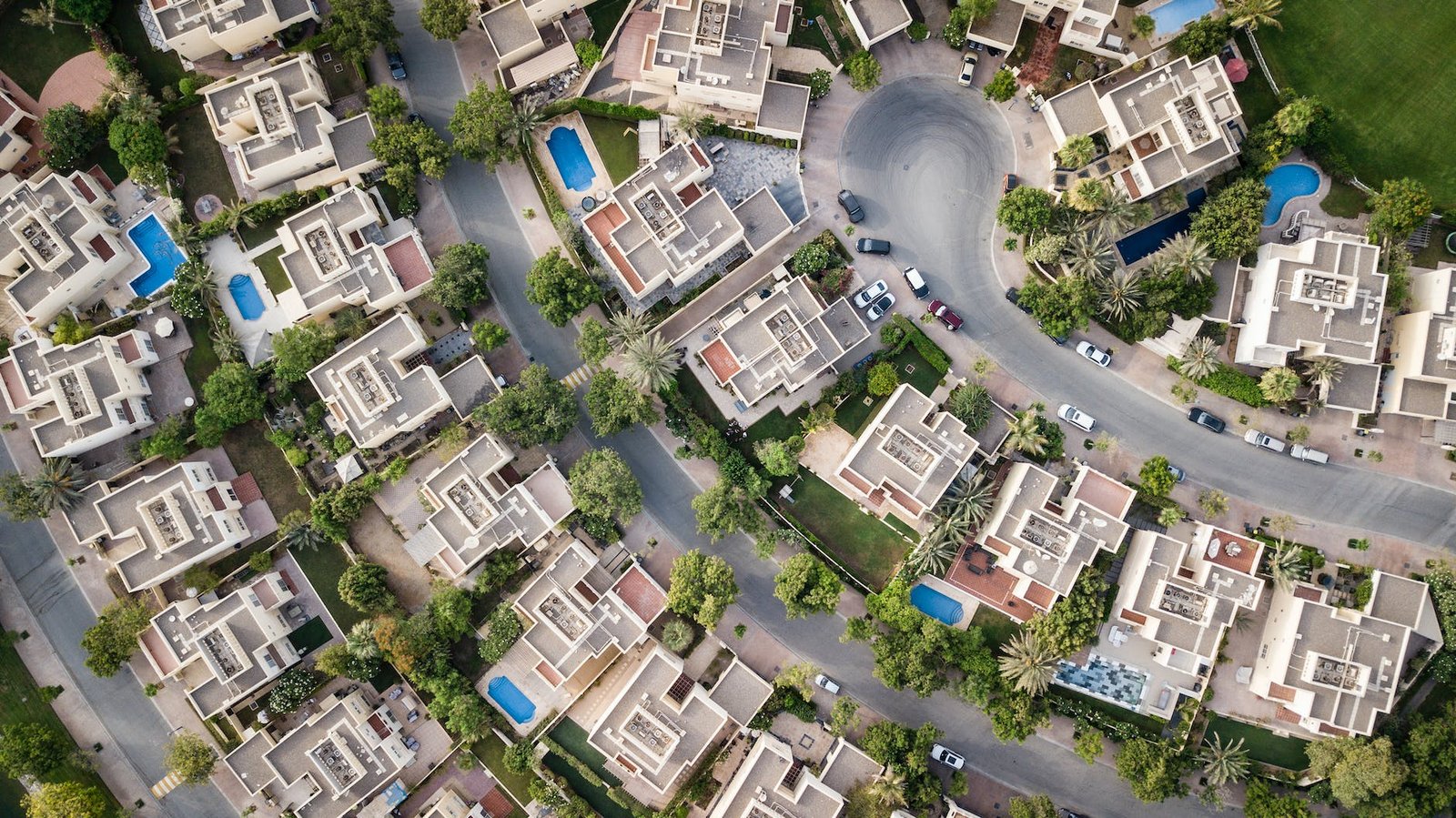
    Property values are influenced by a myriad of factors, ranging from location and market conditions to property features and local amenities. It is crucial to separate fact from fiction to avoid making erroneous assumptions about property values. Let’s explore some of the most prevalent misconceptions and shed light on the truth behind them.

    Misconception 1: Property Value Always Appreciates

    Contrary to popular belief, property values do not always appreciate in a linear fashion. While real estate has historically shown a tendency to appreciate over the long term, it is important to acknowledge that short-term fluctuations and economic factors can affect property values. Market conditions, supply and demand dynamics, and economic downturns can all impact the value of a property.

    Misconception 2: Renovations Always Increase Property Value

    Although renovations can certainly enhance the appeal and functionality of a property, it is not a guarantee that they will automatically increase its value. The return on investment for renovations varies depending on the type, quality, and relevance to the local market. Additionally, personal preferences in design and style may not align with potential buyers’ preferences, limiting the impact on property value. It is advisable to research and consult professionals before undertaking major renovations solely for the purpose of increasing value.

    Misconception 3: Assessments Reflect Market Value

    Many property owners assume that their property tax assessments accurately reflect the market value of their property. However, assessments are often based on outdated information and generalizations about the local market. These assessments are primarily used for tax purposes and may not accurately represent the current market conditions or the specific characteristics of your property. It is essential to conduct a thorough market analysis or seek professional appraisal services to obtain a more precise estimation of your property’s value.

    Misconception 4: Online Valuation Tools Provide Accurate Assessments

    With the proliferation of online valuation tools, it is tempting to rely solely on these platforms for property valuations. While these tools can provide a rough estimate, they are not always accurate or comprehensive. Online valuations often lack the human element of localized market knowledge and cannot account for specific property features or recent market trends. It is advisable to use online tools as a starting point but supplement them with expert opinions and professional appraisals for a more reliable valuation.

    Misconception 5: Aesthetic Upgrades Have the Most Impact

    Investing in aesthetically pleasing upgrades is undoubtedly appealing, but it is important to remember that certain essential factors carry more weight in determining property value. Factors such as location, school districts, proximity to amenities, and overall condition of the property play significant roles in assessing value. While curb appeal and interior design are important, they should not overshadow these fundamental aspects.

    Misconception 6: Comparable Sales Are Always Accurate Indicators

    Using comparable sales, or “comps,” is a common practice in determining property value. However, it is essential to exercise caution when relying solely on this method. Comps provide a general benchmark, but they may not account for unique property characteristics or recent market trends. To obtain a more accurate valuation, it is recommended to combine comp analysis with other valuation methods, such as income or replacement cost approaches.

    Conclusion

    By dispelling these common misconceptions, we hope to empower property investors, homeowners, and buyers with accurate information to make informed decisions. Property values are influenced by

    a complex interplay of factors, and it is essential to approach property valuation with a comprehensive understanding of the market dynamics. While the misconceptions mentioned above can lead to misguided assumptions, being aware of the nuances surrounding property values can help you navigate the real estate landscape more effectively.

    At Relevé, we emphasize the importance of thorough research and seeking professional advice when it comes to property valuation. Our team of experts understands the intricacies of the market and can provide valuable insights to assist you in making informed decisions.

  • Land O’ Lakes Real Estate Market: A Buyer’s Market in May 2023

    Land O’ Lakes Real Estate Market: A Buyer’s Market in May 2023

    The Land O’ Lakes real estate market is currently trending down, with the median listing home price decreasing by 6% year-over-year in May 2023. This is likely due to a number of factors, including rising interest rates and a decrease in demand from out-of-state buyers.

    With the decline in prices, there are a number of great deals to be found in Land O’ Lakes. The median listing home price is still well above the national average, and there are a variety of neighborhoods to choose from.

    Here are some of the key data points for the Land O’ Lakes real estate market in May 2023:

    • Median listing home price: $437K
    • Median listing home price/sq ft: $237
    • Median sold home price: $435K
    • Sale-to-list price ratio: 100%
    • Median days on market: 34 days
    • 767 homes for sale
    • 223 homes for rent

    Here are some additional things to keep in mind when buying a home in Land O’ Lakes:

    • The average home size in Land O’ Lakes is 2,400 square feet.
    • The average lot size is 0.6 acres.
    • The average commute time to downtown Tampa is 30 minutes.
    • The public school system in Land O’ Lakes is highly rated.
    • The crime rate in Land O’ Lakes is low.

    Overall, the Land O’ Lakes real estate market is a good option for buyers who are looking for a home in a beautiful, family-friendly community. With a variety of homes to choose from and a strong economy, Land O’ Lakes is a great place to call home.

    Our Most Asked Questions:

    Q: What is the current state of the Land O’ Lakes real estate market?

    A: The Land O’ Lakes real estate market is currently trending down, with the median listing home price decreasing by 6% year-over-year in May 2023. This is likely due to a number of factors, including rising interest rates and a decrease in demand from out-of-state buyers.

    Q: What are the key data points for the Land O’ Lakes real estate market in May 2023?

    A: Here are some of the key data points for the Land O’ Lakes real estate market in May 2023:

    • Median listing home price: $437K
    • Median listing home price/sq ft: $237
    • Median sold home price: $435K
    • Sale-to-list price ratio: 100%
    • Median days on market: 34 days
    • 767 homes for sale
    • 223 homes for rent

    Q: Is now a good time to buy a home in Land O’ Lakes?

    A: It depends on your individual circumstances. If you’re looking for a good deal, now may be a good time to buy. Prices are still relatively high, but they’re expected to continue to decline in the coming months. However, if you’re looking for a quick sale, now may not be the best time to sell.

    Q: What are some of the factors that are driving the Land O’ Lakes real estate market?

    A: There are a number of factors that are driving the Land O’ Lakes real estate market, including:

    • Rising interest rates
    • Decrease in demand from out-of-state buyers
    • Increase in inventory
    • Strong economy
    • Favorable tax climate

    Q: What are some of the best neighborhoods in Land O’ Lakes?

    A: Some of the best neighborhoods in Land O’ Lakes include:

    • The Oaks
    • Grand Oaks
    • Oasis
    • Groves
    • Waterview
    • Springbrook
    • Heritage
    • Summerfield
    • Plantation

    Q: What are some of the things to consider when buying a home in Land O’ Lakes?

    A: Some of the things to consider when buying a home in Land O’ Lakes include:

    • Your budget
    • Your needs and wants
    • The location of the home
    • The condition of the home
    • The schools in the area
    • The crime rate in the area
  • Selling Your Investment House with Tenants in Place

    Selling Your Investment House with Tenants in Place

    Introduction

    Selling a house that is currently occupied by tenants can be a unique situation for property owners. While it may seem challenging at first, with the right approach and knowledge, you can successfully sell your investment house with tenants in place. In this article, we will explore the steps involved, the benefits and considerations, and provide valuable insights to ensure a smooth and profitable transaction.

    1. Understand the Legalities and Lease Agreements

    Before proceeding with selling your investment house, it is crucial to familiarize yourself with the legalities surrounding tenant rights and lease agreements. Review the lease agreement carefully to determine the terms and conditions, including any clauses related to property sale. Ensure compliance with local laws and regulations regarding tenant rights during the selling process.

    2. Communicate with Your Tenants

    Open and transparent communication with your tenants is key to a successful sale. Inform them about your intention to sell the property and maintain a respectful dialogue throughout the process. Address their concerns and clarify any questions they may have. By involving your tenants and keeping them informed, you can foster cooperation and minimize potential issues that may arise during the sale.

    3. Evaluate the Market Value of Your Property

    To maximize your return on investment, it is essential to determine the accurate market value of your property. Conduct a comprehensive analysis of the local real estate market, considering factors such as location, property condition, and recent sales of comparable properties. Hiring a professional real estate appraiser or agent can provide you with an unbiased assessment of your property’s value.

    4. Highlight the Benefits for Potential Buyers

    One advantage of selling an investment house with tenants in place is the immediate rental income it generates for the new owner. Emphasize this benefit when marketing your property. Highlight the stable cash flow and the potential for a hassle-free transition for the buyer, as they won’t need to search for new tenants right away.

    5. Prepare and Stage the Property

    Ensure that your investment property is in its best possible condition to attract potential buyers. Coordinate with your tenants to schedule viewing times that are convenient for them. Enhance the property’s curb appeal, make necessary repairs, and consider staging the house to make it more visually appealing. A well-presented property increases its marketability and helps potential buyers envision themselves as the future owners.

    6. Marketing and Advertising

    Implement a targeted marketing strategy to reach potential buyers who are interested in purchasing investment properties with tenants. Utilize online platforms, such as real estate websites and social media, to showcase the property’s unique selling points. Craft compelling property descriptions with bold keywords to capture the attention of potential buyers seeking investment opportunities.

    7. Negotiate with Buyers

    When engaging with potential buyers, be prepared to negotiate terms that are favorable to both parties. Clearly communicate the existing lease agreements, rental income, and any responsibilities the buyer will assume as the new landlord. Seek professional advice from a real estate attorney or agent to ensure a fair and legally binding negotiation process.

    8. Finalize the Sale and Transition

    Once you have found a suitable buyer and agreed upon the terms, work closely with your attorney and the buyer’s agent to finalize the sale. Ensure that all necessary legal documents are prepared and signed, including the transfer of lease agreements to the new owner. Facilitate a smooth transition by providing the buyer with detailed information about the tenants, their lease terms, and any ongoing maintenance requirements.

    Conclusion

    Selling your investment house with tenants in place can be a rewarding process if approached strategically and with clear communication. By understanding the legalities, involving your tenants, properly evaluating the

    market value, highlighting the benefits, preparing the property, implementing a targeted marketing strategy, negotiating with buyers, and finalizing the sale, you can ensure a successful transaction.

    By following these steps, you can effectively sell your investment house with tenants in place while maximizing your returns and minimizing potential challenges. Remember to maintain open communication with your tenants throughout the process, as their cooperation and understanding are crucial for a smooth transition.

    Relevé’s Most Asked Questions:

    Q1. Can I sell my investment house with tenants in place without their knowledge?

    A1. No, it is important to inform your tenants about your intention to sell the property.

    Open and transparent communication is key to maintaining a positive landlord-tenant relationship and avoiding legal complications.

    Q2. Will the new owner be bound by the existing lease agreements?

    A2. Yes, when you sell your investment house with tenants, the new owner becomes responsible for upholding the existing lease agreements.

    The terms and conditions outlined in the lease will remain valid until the lease expires or is mutually terminated by both parties.

    Q3. What happens if the tenants decide to move out during the selling process?

    A3. If the tenants decide to move out before the sale is finalized, it may impact the selling process.

    However, with proper marketing and communication, you can attract new tenants or adjust your selling strategy accordingly.

    Here are some additional tips for selling an investment house with tenants:

    • Give your tenants plenty of notice that you are selling the property.
    • Be respectful of your tenants’ privacy and be sure to give them ample time to prepare for the move.
    • Work with your real estate agent to market the property to investors who are looking for a property with tenants in place.
    • Be prepared to answer any questions that your tenants may have about the sale.

    By following these tips, you can sell your investment house with tenants in a smooth and efficient manner.

  • Real Estate Renovations Made Easy: Transforming Your Property on a Budget

    Real Estate Renovations Made Easy: Transforming Your Property on a Budget

    Introduction

    Real estate renovations can be expensive, but they don’t have to be. With a little planning and effort, you can transform your home or investment property on a budget.

    In this article, we will share some tips on how to do just that. We will cover everything from choosing the right projects to finding the best deals on materials and labor.

    By following these tips, you can save money and still create a beautiful and functional space.


    1. Choose the Right Projects

    The first step to any successful renovation is to choose the right projects. Not all projects are created equal, and some are simply more expensive than others.

    When choosing projects, it is important to consider your budget, your skill level, and your goals. If you are on a tight budget, you will want to focus on smaller, less expensive projects.

    If you are not very handy, you may want to hire a contractor to help you with the more complicated projects.

    And if you are looking to make a big impact, you may want to focus on projects that will improve the overall value of your property.

    Here are a few ideas for budget-friendly renovation projects:

    • Paint the walls
    • Update the flooring
    • Replace the light fixtures
    • Add new hardware
    • Declutter and organize
    • Install new curtains or blinds
    • Add new plants or flowers

    2. Do Your Research

    Once you have chosen your projects, it is important to do your research. This will help you to find the best deals on materials and labor.

    There are a number of ways to do research. You can read online reviews, talk to friends and family, or visit local hardware stores and home improvement centers.

    It is also important to get multiple estimates from contractors before hiring anyone. This will help you to ensure that you are getting a fair price.


    3. Get Creative

    One of the best ways to save money on renovations is to get creative. There are a number of ways to do this, such as:

    • Repurposing old furniture and fixtures
    • Using DIY projects
    • Finding deals on materials and labor
    • Getting creative with your design

    By getting creative, you can save money and still create a beautiful and functional space.


    4. Don’t Be Afraid to Ask for Help

    If you are not sure how to do something, don’t be afraid to ask for help. There are a number of resources available to you, such as:

    • Online tutorials
    • DIY books and magazines
    • Home improvement centers
    • Contractors

    By asking for help, you can avoid making costly mistakes and ensure that your renovation is done correctly.


    5. Take Your Time

    Renovations can be time-consuming, so it is important to take your time. Rushing through a renovation can lead to costly mistakes.

    It is also important to be patient. Renovations can be stressful, so it is important to take breaks and relax when you need to.


    Conclusion

    Renovating your home or investment property can be a great way to improve its value and make it more enjoyable to live in. However, renovations can also be expensive.

    By following the tips in this article, you can save money and still create a beautiful and functional space.

    So what are you waiting for? Start planning your renovation today!

    Relevé Real Estate’s Most Asked Questions:

    Q: How do I choose the right projects for my budget?

    A: When choosing projects, it is important to consider your budget, your skill level, and your goals. If you are on a tight budget, you will want to focus on smaller, less expensive projects. If you are not very handy, you may want to hire a contractor to help you with the more complicated projects. And if you are looking to make a big impact, you may want to focus on projects that will improve the overall value of your property.

    Q: How do I do my research on materials and labor?

    A: There are a number of ways to do research on materials and labor. You can read online reviews, talk to friends and family, or visit local hardware stores and home improvement centers. It is also important to get multiple estimates from contractors before hiring anyone. This will help you to ensure that you are getting a fair price.

    Q: How can I get creative with my renovation?

    A: There are a number of ways to get creative with your renovation. You can repurpose old furniture and fixtures, use DIY projects, find deals on materials and labor, or get creative with your design. By getting creative, you can save money and still create a beautiful and functional space.

    Q: Who can I ask for help with my renovation?

    A: There are a number of resources available to you if you need help with your renovation. You can ask friends and family, read online tutorials, or hire a contractor. By asking for help, you can avoid making costly mistakes and ensure that your renovation is done correctly.

    Q: How can I make sure my renovation is done on time and on budget?

    A: It is important to create a timeline and budget for your renovation before you start. This will help you to stay on track and avoid overspending. It is also important to communicate with your contractor regularly and to be flexible if there are unexpected delays.

    Q: What are some common mistakes to avoid when renovating your home?

    A: Some common mistakes to avoid when renovating your home include:

    • Not planning ahead
    • Overspending
    • Hiring the wrong contractor
    • Not communicating with your contractor
    • Not being flexible
    • Rushing through the renovation

    By avoiding these mistakes, you can ensure that your renovation is a success.

  • Escape the Rent Trap: Why Owning Real Estate is the Smartest Financial Move

    Escape the Rent Trap: Why Owning Real Estate is the Smartest Financial Move

    Introduction

    Renting can be a convenient and affordable way to live, but it can also be a financial trap. Over the course of your lifetime, you could spend hundreds of thousands of dollars on rent, money that could be going towards building equity by owning real estate.

    If you’re thinking about buying a home, there are a number of financial benefits that you should consider. Owning a home can help you:

    • Build equity
    • Save on taxes
    • Generate passive income

    Building Equity

    When you buy a home, you’re essentially buying an asset that appreciates in value over time. The amount of equity you build in your home depends on a number of factors, including the price of the home, the amount of your down payment, and the appreciation of the housing market.

    As you make mortgage payments, you’ll slowly build equity in your home. This equity can be used to fund home improvements, pay for college, or even supplement your retirement income.

    Saving on Taxes

    Homeowners can deduct their mortgage interest and property taxes from their federal income taxes. This can save you hundreds or even thousands of dollars each year.

    Generating Passive Income

    If you rent out your home, you can generate passive income. This means that you’ll earn money from your rental property without having to do any work.

    Of course, there are some costs associated with owning a rental property, such as property taxes, insurance, and maintenance. However, the potential income from your rental property can still be a significant financial benefit.

    Conclusion

    Owning a home can provide you with a number of financial benefits. If you’re thinking about buying a home, be sure to weigh the pros and cons carefully. With careful planning, owning a home can be a wise financial decision that will pay off for years to come.

    Additional Information

    In addition to the financial benefits listed above, owning a home can also provide you with a number of other benefits, such as:

    • A sense of security and stability. When you own your own home, you have a place to call your own that you can’t be evicted from. This can provide you with a sense of security and stability, especially if you have a family.
    • The ability to customize your home to your own needs. When you rent, you’re limited to the features and amenities that are already in the home. When you own your own home, you can make changes to the home to suit your needs and preferences.
    • The ability to build a legacy. When you own a home, you can pass it down to your children or grandchildren. This can be a valuable way to build a legacy and leave something behind for your loved ones.

    If you’re considering buying a home, be sure to do your research and talk to a financial advisor to determine if it’s the right decision for you. With careful planning, owning a home can be a wise financial decision that will pay off for years to come.

    Relevé Real Estate’s Most Asked Questions:

    What are the pros and cons of owning a home?

    Owning a home has both pros and cons. Some of the pros include:

    • Building equity
    • Saving on taxes
    • Generating passive income
    • A sense of security and stability
    • The ability to customize your home to your own needs
    • The ability to build a legacy

    Some of the cons include:

    • High upfront costs
    • Ongoing maintenance and repairs
    • The risk of losing money if the housing market declines
    • The possibility of being tied to a mortgage for many years

    How much money do I need to buy a home?

    The amount of money you need to buy a home will vary depending on the price of the home, the amount of your down payment, and your mortgage interest rate. A good rule of thumb is to have a down payment of at least 20% of the purchase price. You will also need to have enough money saved for closing costs, which can range from 2-5% of the purchase price.

    What are the steps involved in buying a home?

    The steps involved in buying a home can vary, but they typically include:

    1. Get pre-approved for a mortgage
    2. Find a real estate agent
    3. Start looking at homes
    4. Make an offer on a home
    5. Negotiate the purchase price
    6. Close on the home

    What are the costs associated with buying a home?

    The costs associated with buying a home can vary, but they typically include:

    • Down payment
    • Closing costs
    • Mortgage interest
    • Property taxes
    • Homeowners insurance
    • Maintenance and repairs

    What are some tips for buying a home?

    Here are some tips for buying a home:

    • Do your research and get pre-approved for a mortgage before you start looking at homes.
    • Work with a real estate agent who knows the area and can help you find the right home for your needs.
    • Be prepared to negotiate the purchase price.
    • Don’t forget to factor in the costs of homeownership, such as property taxes, homeowners insurance, and maintenance and repairs.
  • Beyond Location: Unveiling the Hidden Factors That Make a Property Valuable

    Beyond Location: Unveiling the Hidden Factors That Make a Property Valuable

    Introduction

    When it comes to real estate, location has long been hailed as the most important factor in determining the value of a property. However, there are several other hidden factors that contribute significantly to the make a property valuable. In this article, we will explore these lesser-known factors that go beyond location and shed light on their impact on property valuation.

    The Role of Amenities and Infrastructure

    While location sets the stage, amenities and infrastructure play a crucial role in making a property valuable. Proximity to schools, hospitals, shopping centers, and recreational facilities significantly enhances the appeal of a property. These amenities not only provide convenience to residents but also indicate a higher quality of life. Properties located in areas with well-developed infrastructure, such as good road connectivity, public transportation, and reliable utility services, tend to command higher prices due to the added convenience they offer.

    Architectural Design and Quality

    The architectural design and quality of construction are often overlooked factors that can greatly influence a property’s value. A well-designed property with attention to detail, aesthetic appeal, and functional layout can significantly enhance its value. High-quality construction materials and craftsmanship contribute to the longevity and durability of a property, making it more attractive to potential buyers. Unique architectural features, such as vaulted ceilings, skylights, or panoramic views, can also add a premium value to a property.

    Historical Significance and Cultural Heritage

    Properties with historical significance or cultural heritage carry a unique appeal that goes beyond their physical attributes. Historic homes, landmark buildings, or properties located in heritage neighborhoods have a sense of charm and character that sets them apart. Such properties often have restrictions on renovations or alterations, which ensures the preservation of their historical and cultural value. The scarcity of such properties and their intrinsic value in terms of heritage make them highly desirable and, consequently, more valuable.

    Future Development Potential

    Anticipating future development and growth potential is an important consideration when assessing the value of a property. Areas undergoing urban revitalization or redevelopment projects are likely to experience a surge in property values. For instance, the construction of new infrastructure, business parks, or the expansion of transportation networks can significantly impact property values in the surrounding areas. Investing in properties located in areas with strong growth potential can yield substantial returns in the long run.

    Environmental Factors and Sustainability

    In recent years, environmental factors and sustainability have gained prominence in the real estate market. Properties that incorporate eco-friendly features, such as energy-efficient systems, green building materials, and renewable energy sources, are increasingly sought after. Buyers are not only attracted to the cost-saving benefits of sustainable properties but also their positive impact on the environment. The integration of sustainable practices adds value to a property and positions it as a responsible and forward-thinking investment.

    Security and Safety Measures

    Safety and security are paramount concerns for homeowners and property investors. Properties located in low-crime areas or gated communities tend to command higher prices due to the peace of mind they offer. The presence of security features such as surveillance systems, access controls, and well-lit surroundings also contribute to the overall value of a property. Homebuyers and tenants are willing to pay a premium for properties that prioritize safety and provide a secure living environment.

    Conclusion

    While location remains a crucial factor, it is essential to look beyond it to fully understand the value of a property. Amenities, infrastructure, architectural design, historical significance, future development potential, environmental sustainability, and security measures all contribute to the overall value of a property. Considering these hidden factors when assessing a property’s value can help investors make informed decisions and maximize their returns.

    Here are some additional factors that can affect the value of a property:

    • View: A property with a stunning view, such as a mountain range, the ocean, or a city skyline, can be worth significantly more than a property with no view.
    • Privacy: Buyers are willing to pay a premium for properties that offer privacy, such as those with large lots or those that are set back from the street.
    • Landscaping: Well-maintained landscaping can make a property more attractive and can also add value.
    • Energy efficiency: Properties that are energy-efficient can save buyers money on their utility bills, which can make them more desirable.
    • Pet-friendly features: Properties that are pet-friendly, such as those with fenced-in yards or dog parks nearby, can be more appealing to buyers who have pets.
    • Condo amenities: Condos and townhomes that offer amenities, such as pools, gyms, or parking, can be worth more than those that do not.
    • HOA fees: HOA fees can be a factor in determining the value of a property. Buyers will be less likely to pay a high price for a property with high HOA fees.
    • Taxes: The property taxes on a property can also affect its value. Buyers will be less likely to pay a high price for a property with high property taxes.

    It is important to consider all of these factors when determining the value of a property. By taking the time to assess all of the factors that can affect value, you can make an informed decision about whether or not to purchase a particular property.

  • How to Find the Right Piece of Land for Your Needs

    How to Find the Right Piece of Land for Your Needs

    Introduction

    When you’re trying to find the right piece of land, there are a lot of factors to consider. What will you use the land for? How much land do you need? What’s your budget? And where do you want to buy?

    In this article, we’ll walk you through the steps of finding the right piece of land for your needs. We’ll cover everything from determining your needs and budget to researching different areas and negotiating with sellers.

    Determine Your Needs and Budget

    The first step in finding the right piece of land is to determine your needs. What will you use the land for? Will you build a home on it? Start a business? Farm? Once you know what you’ll be using the land for, you can start to narrow down your search.

    Next, you need to determine your budget. How much can you afford to spend on land? Keep in mind that the cost of land varies depending on the location, size, and zoning of the property.

    Research Different Areas

    Once you know your needs and budget, it’s time to start researching different areas. Consider the following factors when choosing an area:

    • Location: Where do you want to live? Consider your commute, access to amenities, and the overall desirability of the area.
    • Size: How much land do you need? Keep in mind that you’ll need to factor in the size of your home, any outbuildings, and any space for recreation.
    • Zoning: Make sure the land is zoned for the use you intend. For example, if you want to build a home, you’ll need to make sure the land is zoned for residential use.
    • Cost: How much does land cost in the area you’re interested in? Keep in mind that the cost of land varies depending on the location, size, and zoning of the property.

    Negotiate with Sellers

    Once you’ve found a piece of land that you’re interested in, it’s time to start negotiating with the seller. Be prepared to discuss the following factors:

    • Price: How much are you willing to pay for the land?
    • Terms: What are the terms of the sale? Will you pay cash or finance the purchase?
    • Closing costs: Who will pay the closing costs?

    Get Pre-Approved for a Loan

    Before you start negotiating with sellers, it’s a good idea to get pre-approved for a loan. This will show sellers that you’re serious about buying and that you have the financial means to do so.

    Hire a Real Estate Agent

    If you’re not familiar with the area or the process of buying land, it’s a good idea to hire a real estate agent. A good agent can help you find the right piece of land, negotiate with sellers, and close the deal.

    Conclusion

    Finding the right piece of land can be a challenge, but it’s definitely possible. By following the steps in this article, you can increase your chances of finding the perfect property for your needs.

    Our most asked questions:

    What are the different types of land?

    There are many different types of land, each with its own unique characteristics. Some of the most common types of land include:

    • Residential land: This type of land is used for homes and other residential properties.
    • Commercial land: This type of land is used for businesses and other commercial properties.
    • Industrial land: This type of land is used for factories and other industrial properties.
    • Agricultural land: This type of land is used for farming and other agricultural purposes.
    • Recreational land: This type of land is used for parks, recreation areas, and other recreational purposes.

    What are the factors to consider when buying land?

    There are many factors to consider when buying land, including:

    • Your needs: What will you use the land for?
    • Your budget: How much can you afford to spend?
    • The location: Where do you want to buy the land?
    • The size: How much land do you need?
    • The zoning: Make sure the land is zoned for the use you intend.
    • The cost: How much does land cost in the area you’re interested in?
    • The condition: The land should be in good condition and free of any major problems.
    • The title: Make sure the title to the land is clear and free of any liens or encumbrances.

    How do I find the right piece of land?

    There are a few different ways to find the right piece of land. You can:

    • Look online: There are many websites that list land for sale.
    • Work with a real estate agent: A real estate agent can help you find the right piece of land and negotiate the purchase price.
    • Attend land auctions: Land auctions can be a great way to find a good deal on land.
    • Network with people in your area: Talk to your friends, family, and neighbors to see if they know of any land that is for sale.

    What are the steps involved in buying land?

    The steps involved in buying land vary depending on the country or state you are in. However, the general steps are as follows:

    1. Find the right piece of land.
    2. Make an offer on the land.
    3. Have the land inspected.
    4. Get financing.
    5. Close on the land.

    What are the benefits of owning land?

    There are many benefits to owning land, including:

    • You can build your dream home.
    • You can rent out the land for income.
    • You can use the land for farming or other agricultural purposes.
    • You can develop the land for commercial or industrial use.
    • You can pass the land down to your children or grandchildren.

    What are the risks of owning land?

    There are also some risks associated with owning land, including:

    • The value of the land may go down.
    • You may be responsible for property taxes and other expenses.
    • You may be liable for any damage that occurs on the land.
    • The land may be subject to environmental regulations.
    • The land may be subject to eminent domain.

    Overall, owning land can be a great investment, but it’s important to weigh the risks and benefits before making a decision.

  • Things to Consider When Buying a House with Land

    Things to Consider When Buying a House with Land

    Buying a house with land is an exciting opportunity, whether you’re dreaming of a spacious backyard, a place to grow your own food, or simply room to breathe. However, it’s also a significant investment that requires careful thought and planning. From the location and size of the land to zoning regulations and future development, there are many factors to consider before making a purchase. In this blog post, we’ll walk you through the key things to keep in mind when buying a house with land to help you make an informed decision.


    Location and Accessibility

    The old saying “location, location, location” holds true when buying a house with land. Think about how close the property is to essential amenities like schools, hospitals, grocery stores, and workplaces. If you’re commuting, consider the accessibility of major roads, highways, and public transportation. A convenient location not only makes daily life easier but can also boost the property’s long-term value.


    Size and Topography of the Land

    The size and layout of the land are just as important as the house itself. Ask yourself:

    • How much land do you need?
    • What do you plan to use it for? (e.g., gardening, farming, building additional structures, or simply enjoying open space).

    Also, pay attention to the land’s topography. Is it flat, sloped, or uneven? Steep slopes or rocky terrain might limit what you can do with the property, while flat, fertile land could be ideal for gardening or farming. Don’t forget to check the soil quality if you’re planning to grow anything.


    Zoning and Permits

    Before you fall in love with a property, make sure you understand the local zoning laws and regulations. Zoning determines how the land can be used—whether it’s for residential, agricultural, commercial, or mixed purposes. If you’re planning to build additional structures, like a barn or a guesthouse, check if the property allows it and what permits you’ll need. Ignoring zoning rules can lead to costly legal issues down the road.


    Utilities and Infrastructure

    Access to basic utilities is a must. Ensure the property has reliable connections to water, electricity, and sewage systems. If you’re looking at rural properties, you might need to dig a well or install a septic system, which can add to your costs. Also, check for high-speed internet and cell service, especially if you work from home or rely on connectivity for daily life.


    Environmental Factors

    Take a close look at the environmental conditions of the property. Is the area prone to flooding, wildfires, or landslides? Are there any nearby pollution sources, like factories or landfills? Research the local climate and weather patterns to ensure they align with your lifestyle. For example, if you’re not a fan of extreme heat or heavy rainfall, make sure the area’s climate suits you.


    Future Development and Expansion

    Think about the future of the area surrounding your property. Are there plans for new roads, schools, or commercial developments nearby? While growth can increase property values, it might also bring noise, traffic, or changes to the neighborhood’s character. On the flip side, if you’re looking for peace and quiet, make sure the area isn’t slated for major development.


    Legal and Financial Considerations

    Buying a house with land involves more than just signing a check. Work with a real estate attorney to review the property’s title and ensure there are no liens, easements, or ownership disputes. On the financial side, get pre-approved for a mortgage and understand your budget. Don’t forget to factor in additional costs like property taxes, insurance, and maintenance.


    Home Inspection and Condition

    A thorough home inspection is non-negotiable. Hire a qualified inspector to check the house’s structural integrity, electrical systems, plumbing, and overall safety. If the property has outbuildings, like a barn or shed, have those inspected too. The inspection report will help you identify any repairs or maintenance needs and give you leverage in price negotiations.


    Neighborhood and Community

    The neighborhood and community can make or break your living experience. Spend time exploring the area, talking to neighbors, and getting a feel for the community’s vibe. Consider factors like safety, noise levels, and proximity to parks or recreational facilities. If you have kids or plan to start a family, research the quality of local schools.


    Market Value and Appreciation

    Understanding the property’s market value and potential for appreciation is key to making a smart investment. Research recent sales of similar properties in the area and consult with a real estate agent or appraiser to gauge the property’s long-term value. While real estate can be a great investment, market conditions can fluctuate, so it’s important to have realistic expectations.


    Financing Options and Affordability

    Buying a house with land often comes with a higher price tag, so it’s important to explore your financing options. Compare mortgage rates and terms from different lenders to find the best deal. Calculate your budget carefully, factoring in not just the mortgage but also property taxes, insurance, and ongoing maintenance costs. Make sure the property is truly affordable for your financial situation.


    Professional Guidance

    Navigating the process of buying a house with land can be complex, so don’t hesitate to seek professional help. A knowledgeable real estate agent can guide you through the process, help you find the right property, and negotiate on your behalf. You may also want to consult with a real estate attorney, financial advisor, or tax specialist to ensure all legal and financial aspects are covered.


    Final Thoughts

    Buying a house with land is a big decision, but with careful planning and research, it can be a rewarding investment. By considering factors like location, land size, zoning, utilities, environmental conditions, and future development, you can find a property that meets your needs and aligns with your long-term goals. Don’t forget to lean on professionals for guidance and support throughout the process.

    Whether you’re looking for a quiet retreat, a place to grow your own food, or simply more space to call your own, buying a house with land can open up a world of possibilities. Take your time, do your homework, and make a decision that you’ll be happy with for years to come. Happy house (and land) hunting!

  • The Pros and Cons of Owning a House with Land

    The Pros and Cons of Owning a House with Land

    Introduction

    In the realm of real estate, owning a house with land offers unique advantages and disadvantages. The decision to invest in a property with ample land requires careful consideration of various factors. In this article, we will delve into the pros and cons of owning a house with land, providing you with valuable insights to aid in your decision-making process.

    Pros of Owning a House with Land

    1. Privacy and Space

    One of the primary advantages of owning a house with land is the increased privacy and space it provides. Unlike living in a densely populated urban area, where neighboring properties may be close by, a house with land offers a sense of seclusion. You have the freedom to create a tranquil oasis, enjoy outdoor activities, and host gatherings without being constrained by limited space.

    2. Potential for Expansion and Customization

    When you own land, you have the potential for future expansion and customization. This can be particularly appealing if you have long-term plans or envision additional construction projects such as building an outdoor pool, a garden shed, or even expanding the main structure. With adequate land, you can bring your ideas to life and adapt the property to suit your changing needs.

    3. Investment and Appreciation

    Land is often considered a valuable investment. While housing markets may fluctuate, land generally appreciates over time, especially in desirable locations. By owning a house with land, you not only have a place to call home but also a tangible asset that can appreciate in value, potentially providing a favorable return on investment should you decide to sell in the future.

    4. Gardening and Agriculture Opportunities

    Having land offers exciting opportunities for gardening and agriculture. If you have a green thumb or aspire to grow your own food, owning a house with land allows you to establish a garden or even a small-scale farm. You can enjoy the benefits of organic produce, embrace sustainability, and experience the satisfaction of nurturing plants or raising animals.

    5. Flexibility and Freedom

    Owning a house with land provides a sense of freedom and flexibility. You have the autonomy to make decisions regarding the property without the restrictions imposed by homeowners’ associations or neighbors in close proximity. Whether you want to host outdoor events, install recreational amenities, or simply enjoy the tranquility of your surroundings, owning land offers the freedom to live life on your terms.

    Cons of Owning a House with Land

    1. Increased Maintenance and Upkeep

    With the advantages of land ownership come increased responsibilities for maintenance and upkeep. Larger properties require more time, effort, and resources to maintain compared to smaller, urban dwellings. The landscaping, gardening, and general maintenance tasks may demand additional attention and expenses. It’s essential to consider whether you have the means and willingness to handle these extra responsibilities.

    2. Higher Costs

    Owning a house with land often comes with higher costs, both initially and in the long run. The initial purchase price of a property with land tends to be higher than that of a comparable home without land. Additionally, ongoing expenses such as property taxes, utility bills, and insurance may be greater due to the larger size of the property. It’s crucial to assess your financial capabilities and ensure that owning a house with land fits within your budget.

    3. Distance and Commute

    Depending on the location of the property, owning a house with land may mean living further away from urban centers or essential amenities. If you value the convenience of living in close proximity to schools, workplaces, or shopping centers, the distance and commute associated with owning land may be a significant drawback. Consider your lifestyle preferences and the practicality of commuting before deciding on a property with land.

    4. Potential for Zoning and Development Restrictions

    When purchasing a house with land, it’s crucial to be aware of any zoning regulations and potential development restrictions that may apply. Certain areas have specific zoning laws that dictate land use, such as residential, commercial, or agricultural purposes. Understanding these restrictions is important, as they may limit your options for future development or use of the land. Conduct thorough research and consult with local authorities to ensure your plans align with the zoning regulations in place.

    5. Time and Effort for Land Management

    Owning a house with land requires dedicated time and effort for land management. Depending on the size and terrain of the property, tasks such as mowing, landscaping, and pest control can be more demanding compared to maintaining a smaller yard. Additionally, if you decide to engage in gardening or agriculture, it involves regular care, including planting, watering, and harvesting. Consider whether you have the resources and commitment to manage the land effectively.

    6. Potential Environmental Challenges

    Properties with land may face unique environmental challenges that need to be taken into account. For instance, if the land is located in an area prone to natural disasters like floods or wildfires, it may pose risks to the property and its occupants. Conduct a thorough assessment of the potential environmental challenges specific to the location and consider appropriate precautions or mitigation measures.

    7. Limited Accessibility to Amenities

    In some cases, owning a house with land may mean limited accessibility to amenities and services. If the property is located in a rural area, it might be farther away from hospitals, schools, shopping centers, or recreational facilities. This can result in longer travel times and limited convenience for daily activities. Assess your lifestyle preferences and consider the trade-offs between the benefits of land ownership and accessibility to essential amenities.

    Conclusion

    Owning a house with land offers a range of advantages and disadvantages that must be carefully evaluated. The increased privacy, potential for expansion, investment opportunities, and gardening prospects are enticing benefits. However, it’s essential to consider the higher costs, increased maintenance, potential restrictions, and limited accessibility associated with land ownership. By weighing these pros and cons, you can make an informed decision that aligns with your lifestyle, financial capacity, and long-term goals.

    Remember, each individual’s preferences and circumstances differ, so what works for one person may not work for another. Take the time to thoroughly assess your needs and priorities before committing to a property with land. With proper planning, research, and consideration, you can make a sound investment and create a fulfilling living environment that aligns with your vision.

    So, whether you’re seeking privacy, envisioning future expansions, or aspiring to embrace a greener lifestyle, owning a house with land can provide you with unique opportunities to create a space that truly feels like home.