Category: Real Estate

  • The Things That Make Land O’ Lakes a Great Place to Live

    The Things That Make Land O’ Lakes a Great Place to Live

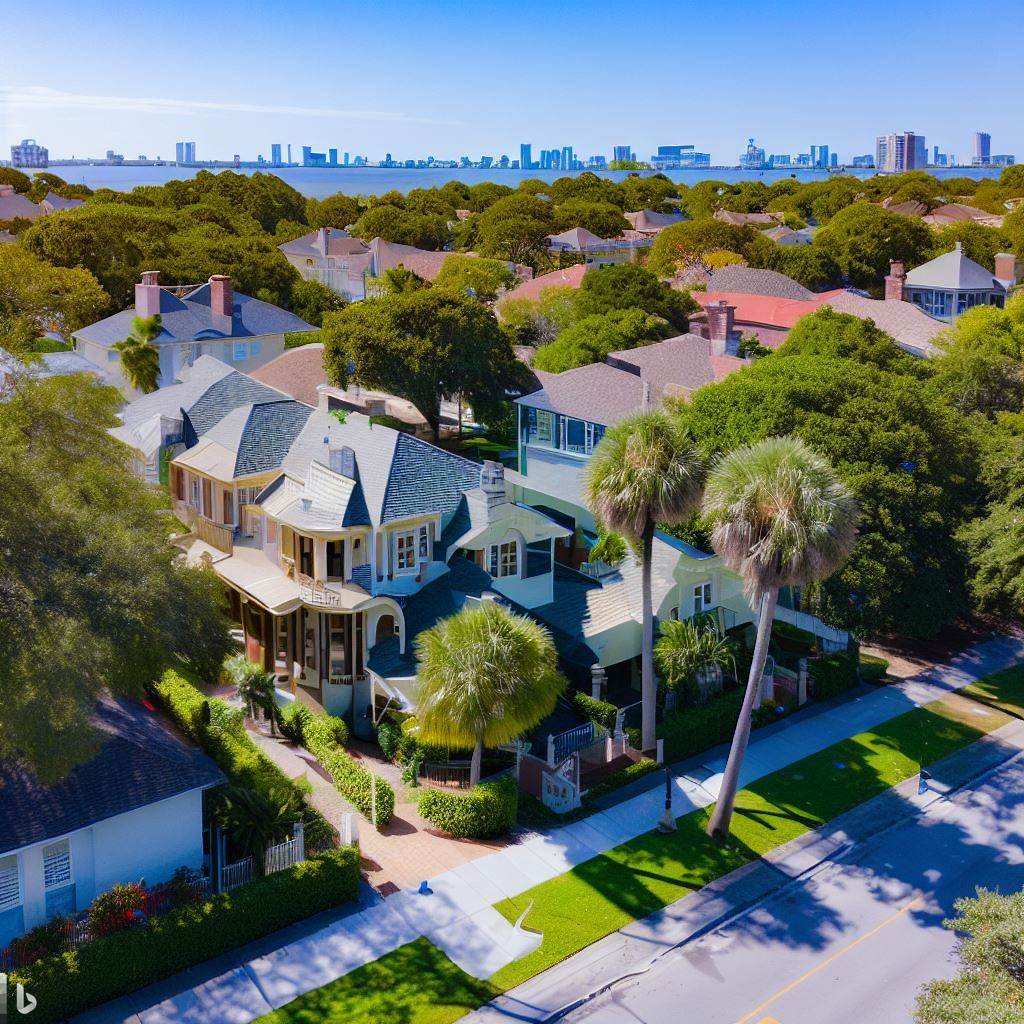
    Are you looking for a place to settle down and call home? Look no further than Land O’ Lakes, a picturesque community located in Pasco County, Florida. From its beautiful parks to its top-notch schools, there are plenty of reasons why Land O’ Lakes is a great place to live. In this article, we’ll take a closer look at what makes this community so special.

    Why Land O’ Lakes is a Great Place to Live

    If you’re thinking about relocating to Florida, you might be wondering what sets Land O’ Lakes apart from other communities. Here are just a few of the things that make this town such a great place to live:

    • Excellent Schools

    One of the biggest draws to Land O’ Lakes is its exceptional school system. The town is home to several highly-rated schools, including Land O’ Lakes High School, Pine View Middle School, and Lake Myrtle Elementary School. These schools offer a rigorous curriculum and a range of extracurricular activities, making them a great choice for families with children of all ages.

    • Beautiful Parks

    Another reason to love Land O’ Lakes is its abundance of beautiful parks. The town boasts several parks, including the Land O’ Lakes Community Park, which features sports fields, a playground, and a skate park. Other notable parks include the Lake Padgett Estates Preserve and the Crews Lake Wilderness Park, which offer hiking trails, picnic areas, and wildlife viewing opportunities.

    • Affordable Cost of Living

    Compared to other communities in Florida, Land O’ Lakes offers an affordable cost of living. Housing costs are reasonable, and residents enjoy a low property tax rate. Additionally, the town has a thriving job market, with plenty of opportunities for employment in fields like healthcare, education, and retail.

    • Friendly Community

    If you’re looking for a tight-knit community where everyone knows their neighbors, Land O’ Lakes is the place to be. Residents here are friendly and welcoming, and there are plenty of community events and festivals throughout the year to help you get to know your neighbors.

    • Convenient Location

    Land O’ Lakes is conveniently located just a short drive from Tampa, making it easy to enjoy all that the city has to offer. However, the town itself offers plenty of amenities, including shopping, dining, and entertainment options, so you won’t have to leave town to find what you’re looking for.

    • Outdoor Recreation

    If you love spending time outdoors, Land O’ Lakes is the perfect place for you. The town is home to several beautiful lakes, including Lake Padgett and Bell Lake, which offer boating, fishing, and swimming opportunities. Additionally, the nearby Gulf of Mexico provides opportunities for deep-sea fishing, boating, and other water sports.

    Conclusion

    As you can see, there are many reasons why Land O’ Lakes is a great place to live. If you’re looking for a safe, affordable, and family-friendly community, then Land O’ Lakes is the perfect place for you.

    Our Most Asked Questions:

    What are the top reasons people move to Land O’ Lakes?

    There are many reasons why people move to Land O’ Lakes, Florida. Some of the top reasons include:

    • The affordable cost of living.
    • The excellent schools.
    • The safe and friendly community.
    • The abundance of outdoor activities.
    • The convenient location near Tampa and St. Petersburg.

    What are some of the best things to do in Land O’ Lakes?

    There are many things to do in Land O’ Lakes, Florida. Some of the best things to do include:

    • Visit the Land O’ Lakes Heritage Park.
    • Go for a hike at the Crews Lake Wilderness Park.
    • Take a boat ride on Lake Padgett.
    • Play a round of golf at one of the many golf courses in the area.
    • Visit the Sunlake Theatre.
    • Attend a festival or event at the Land O’ Lakes Event Center.
    • Shop at the many stores and restaurants in the area.

    What is the crime rate in Land O’ Lakes?

    The crime rate in Land O’ Lakes is very low. In fact, it is one of the safest communities in Florida. The violent crime rate is less than half the national average, and the property crime rate is even lower.

    What is the real estate market like in Land O’ Lakes?

    The real estate market in Land O’ Lakes is very strong. The median home price is about $250,000, and homes are selling quickly. There is a limited supply of homes on the market, so buyers should act quickly if they find a home they want.

    What are the schools like in Land O’ Lakes?

    The schools in Land O’ Lakes are some of the best in Florida. The public schools are consistently ranked among the top in the state, and there are also several private schools in the area.

    What is the weather like in Land O’ Lakes?

    The weather in Land O’ Lakes is warm and sunny year-round. The average temperature in the winter is 70 degrees Fahrenheit, and the average temperature in the summer is 90 degrees Fahrenheit. There is very little rain in Land O’ Lakes, so you can enjoy the outdoors year-round.

    Is Land O’ Lakes a good place to raise a family?

    Land O’ Lakes is a great place to raise a family. The schools are excellent, the community is safe and friendly, and there are many activities and events for families to enjoy.

    Is Land O’ Lakes a good place to retire?

    Land O’ Lakes is a great place to retire. The cost of living is affordable, the weather is warm and sunny year-round, and there are many activities and events for retirees to enjoy.

    What are some of the challenges of living in Land O’ Lakes?

    There are a few challenges of living in Land O’ Lakes, Florida. One challenge is the heat and humidity in the summer. Another challenge is the traffic, especially during rush hour. Finally, Land O’ Lakes is a growing community, so there is some development pressure on the environment.

    Overall, Land O’ Lakes is a great place to live. It is a safe, affordable, and family-friendly community with a lot to offer. If you are looking for a place to call home, Land O’ Lakes is worth considering.
  • Pros and Cons of Living in Tampa, Florida

    Pros and Cons of Living in Tampa, Florida

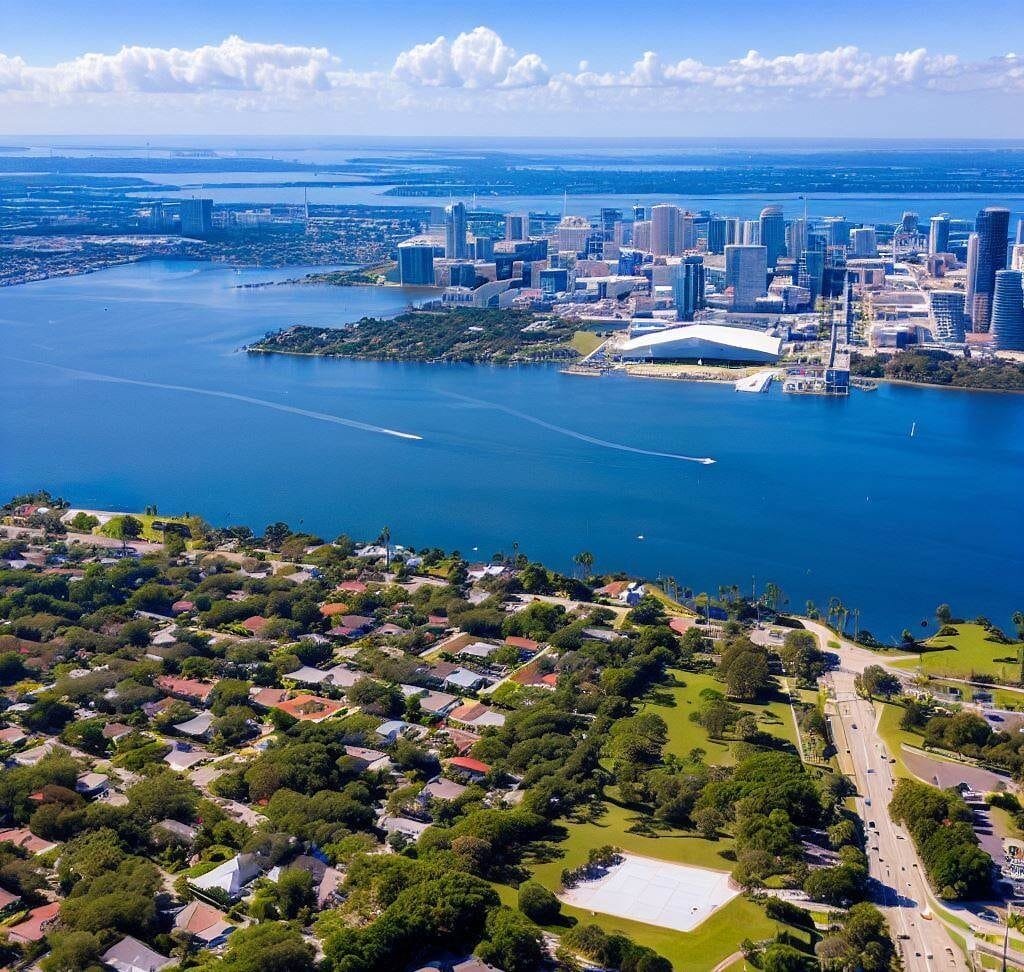
    Tampa, Florida is a city that has something to offer everyone. With its beautiful beaches, warm weather, and diverse culture, it’s no wonder that Tampa is a popular destination for both retirees and young professionals alike. However, like any city, Tampa has its pros and cons. Here is a closer look at both the advantages and disadvantages of living in Tampa:

    Pros of Living in Tampa

    • Beautiful Weather: Tampa is known for its warm weather, with an average temperature of 72 degrees Fahrenheit. This means that you can enjoy outdoor activities year-round, such as swimming, boating, and fishing.
    • Beaches: Tampa is home to some of the most beautiful beaches in the world, including Clearwater Beach and St. Pete Beach. These beaches offer crystal-clear water, soft sand, and stunning sunsets.
    • Cultural Diversity: Tampa is a melting pot of cultures, with a diverse population that includes Hispanic, African American, and Asian communities. This diversity is reflected in the city’s food, music, and festivals, making Tampa a vibrant and exciting place to live.
    • Affordable Cost of Living: Compared to other major cities in Florida, Tampa has a relatively low cost of living. Housing is affordable, and there are plenty of options for dining and entertainment that won’t break the bank.
    • Job Opportunities: Tampa is a growing city with a strong economy. There are many job opportunities available in a variety of industries, including healthcare, technology, and finance.

    Cons of Living in Tampa

    • Traffic: Tampa is a car-dependent city, and traffic can be heavy, especially during rush hour. This can make commuting a challenge and can add to your stress levels.
    • Hurricanes: Florida is located in hurricane alley, and Tampa is no exception. The city is at risk of being hit by a hurricane every year. It’s important to be prepared for this possibility by having an emergency plan in place and stocking up on supplies.
    • Humidity: Tampa is a humid city, and the humidity can make it feel much hotter than it actually is. This can be uncomfortable for some people, especially during the summer months.
    • Tourist Crowds: Tampa is a popular tourist destination, and the city can be crowded during peak season. This can make it difficult to find parking, get around, and enjoy some of the city’s top attractions.
    • Bugs: Florida is known for its bugs, and Tampa is no exception. Mosquitoes, cockroaches, and other pests can be a nuisance, especially during the summer months.

    Conclusion

    Overall, Tampa is a great place to live. It has a lot to offer, including beautiful weather, beaches, cultural diversity, and affordable cost of living. However, it’s important to be aware of the city’s downsides, such as traffic, hurricanes, humidity, tourist crowds, and bugs. By considering these factors and weighing the pros and cons, you can make an informed decision about whether Tampa is the right place for you.

    In addition to the pros and cons listed above, here are some other things to consider when deciding whether to move to Tampa:

    • The cost of housing: The cost of housing in Tampa has been rising in recent years, but it is still relatively affordable compared to other major cities in Florida.
    • The job market: The job market in Tampa is strong, with a variety of industries represented. The city is home to several major corporations, including Jabil Circuit, Raymond James Financial, and Tech Data Corporation.
    • The crime rate: The crime rate in Tampa is relatively low, but it is important to be aware of your surroundings and take precautions to protect yourself from crime.
    • The schools: The public schools in Tampa are generally considered to be good, but there are also a number of private schools available.
    • The amenities: Tampa has a variety of amenities, including a professional sports team (the Tampa Bay Buccaneers), a zoo, an aquarium, and a number of museums.

    If you are considering a move to Tampa, I encourage you to do your research and visit the city before making a decision.

  • How to Plan Your Home Renovation Budget and Make Smart Decisions

    How to Plan Your Home Renovation Budget and Make Smart Decisions

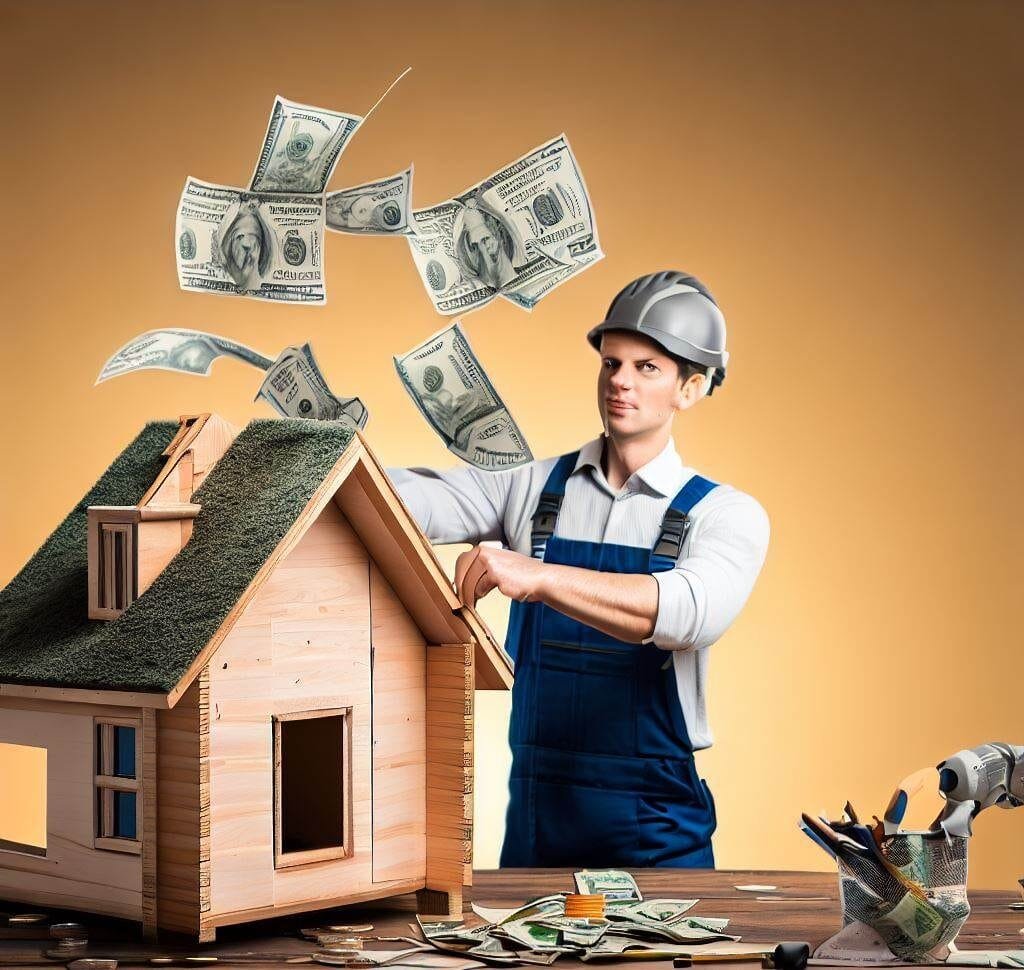
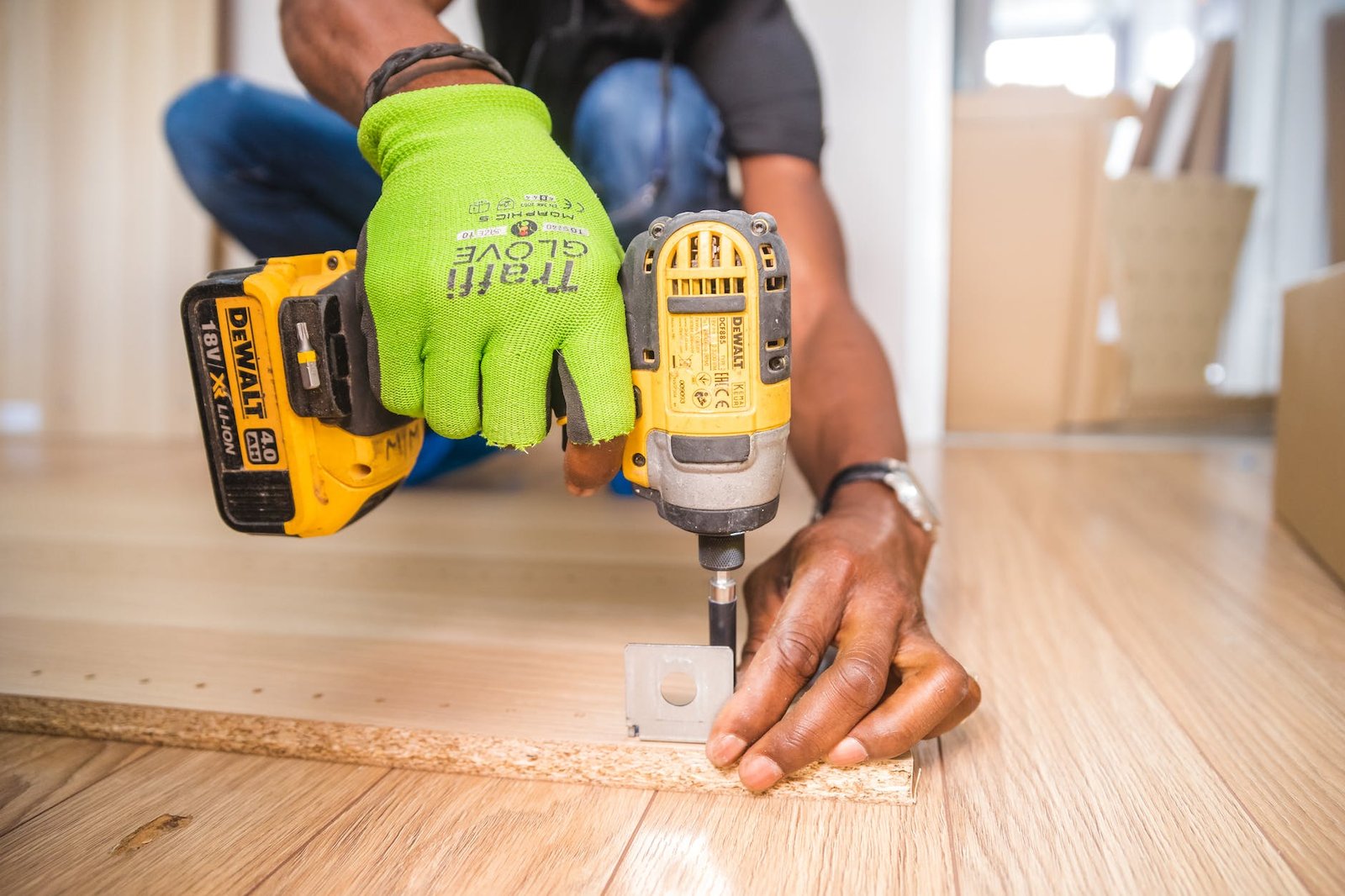
    Renovating your home can be a great way to improve your living space, increase your home’s value, or simply make your home more energy-efficient. However, home renovations can also be expensive, so it’s important to create a renovation budget and stick to it.

    Set a budget

    The first step in budgeting for a home renovation is to set a budget. This will help you track your spending and make sure you don’t overspend. There are a few different ways to set a budget. You can use a budgeting software program, create a spreadsheet, or simply write down your income and expenses each month.

    When setting your budget, be sure to factor in all the costs associated with your home renovation. This includes the cost of materials, labor, permits, and any other unexpected expenses. You may also want to consider the cost of temporary housing if you need to move out of your home during the renovation.

    Get multiple bids

    Once you have a budget, it’s time to start getting bids from contractors. Be sure to get at least three bids before making a decision. This will help you ensure that you’re getting a fair price.

    When getting bids, be sure to get detailed estimates from each contractor. This should include the cost of materials, labor, and any other expenses. It’s also a good idea to get a timeline for the project from each contractor.

    Negotiate the price

    Once you have a few bids, don’t be afraid to negotiate the price. Contractors are often willing to negotiate, especially if you’re paying cash.

    When negotiating, be sure to focus on the total cost of the project, not just the labor cost. You may also be able to negotiate for discounts on materials or labor if you’re willing to do some of the work yourself.

    Get everything in writing

    Once you’ve selected a contractor, be sure to get everything in writing. This includes the scope of work, the timeline, the cost, and any other important details. This will help protect you in case there are any problems with the renovation.

    The contract should be clear and concise, and it should be signed by both you and the contractor. It’s also a good idea to have a lawyer review the contract before you sign it.

    Stay on budget

    It’s important to stay on budget during your home renovation. One way to do this is to create a detailed budget and track your spending closely. You may also want to consider setting up a separate bank account for your renovation expenses. This will help you keep your renovation spending separate from your other expenses.

    Be prepared for unexpected expenses

    No matter how well you plan, there’s always the possibility of unexpected expenses during a home renovation. Be prepared for these expenses by setting aside a contingency fund of 10-20% of your total budget.

    This contingency fund can help cover unexpected costs, such as:

    • Increased costs for materials or labor
    • Unforeseen problems with the renovation
    • Changes to the scope of work

    By following these tips, you can create a budget for your home renovation and avoid overspending.

    Relevé’s Most Asked Questions:

    How much does it cost to renovate a home?

    The cost of a home renovation will vary depending on the size and scope of the project, as well as the materials and labor costs in your area. However, you can expect to spend anywhere from $10,000 to $100,000 or more on a major renovation.

    What are the most important factors to consider when budgeting for a home renovation?

    The most important factors to consider when budgeting for a home renovation are the cost of materials, labor, permits, and any other unexpected expenses. You should also factor in the cost of temporary housing if you need to move out of your home during the renovation.

    How can I save money on a home renovation?

    There are a number of ways to save money on a home renovation, such as:

    • Getting multiple bids from contractors
    • Doing some of the work yourself
    • Shopping around for materials
    • Using coupons and discounts
    • Financing the renovation

    What are some common mistakes people make when budgeting for a home renovation?

    Some common mistakes people make when budgeting for a home renovation include:

    • Not factoring in all of the costs
    • Underestimating the cost of materials and labor
    • Not getting multiple bids from contractors
    • Not having a contingency fund for unexpected expenses

    What are some tips for staying on budget during a home renovation?

    Here are some tips for staying on budget during a home renovation:

    • Create a detailed budget and track your spending closely
    • Set up a separate bank account for your renovation expenses
    • Be prepared for unexpected expenses
    • Communicate with your contractor regularly
    • Make changes to the scope of work if necessary

    What are some things to keep in mind when hiring a contractor for a home renovation?

    Here are some things to keep in mind when hiring a contractor for a home renovation:

    • Get multiple bids from contractors
    • Check references
    • Get everything in writing
    • Be sure to understand the contract
    • Make sure the contractor is licensed and insured
  • Top Home Improvement Projects That Provide the Best Value for Your Money

    Top Home Improvement Projects That Provide the Best Value for Your Money

    When it comes to home improvement, homeowners often struggle to determine which projects will provide the best value for their investment. While some projects may seem like a good idea, they may not necessarily provide the best return on investment. In this article, we will provide you with the top home improvement projects that provide the best value for your money.

    Kitchen Remodeling

    Kitchen remodeling is one of the most popular home improvement projects and also provides the best value for your investment. A minor kitchen remodel that includes upgrading countertops, cabinets, and appliances can increase the value of your home by up to 80% of the remodeling costs. A major kitchen remodel that includes expanding the space or replacing flooring can also provide a good return on investment.

    Bathroom Remodeling

    Bathroom remodeling is another home improvement project that provides good value for your investment. A minor bathroom remodel that includes upgrading the fixtures, adding new tile, and replacing the toilet can increase the value of your home by up to 70% of the remodeling costs. A major bathroom remodel that includes adding a new shower or bathtub can also provide a good return on investment.

    Attic Insulation

    Attic insulation is a home improvement project that is often overlooked but can provide significant energy savings and improve the comfort of your home. Adding attic insulation can reduce your heating and cooling costs by up to 20% and improve the overall energy efficiency of your home. Additionally, attic insulation can help prevent ice dams and reduce the risk of roof damage.

    Window Replacement

    Replacing your windows is another home improvement project that provides good value for your investment. New windows can improve the energy efficiency of your home and reduce your heating and cooling costs. Additionally, new windows can improve the overall appearance of your home and increase its value.

    Deck Addition

    Adding a deck to your home is a home improvement project that provides good value for your investment. A new deck can provide additional outdoor living space and increase the value of your home. Additionally, adding a deck can improve the curb appeal of your home and make it more attractive to potential buyers.

    Conclusion

    In conclusion, these are the top home improvement projects that provide the best value for your investment. Kitchen and bathroom remodeling, attic insulation, window replacement, and deck addition are all great ways to improve the value and energy efficiency of your home. By investing in these home improvement projects, you can increase the value of your home and enjoy a more comfortable living space.

    Additional Tips for Choosing the Right Home Improvement Projects

    • Consider your budget. Home improvement projects can be expensive, so it’s important to set a budget before you start planning.
    • Think about your needs and wants. What are the most important things to you in a home? Once you know what you’re looking for, you can start to narrow down your options.
    • Do your research. There are a lot of different home improvement projects out there, so it’s important to do your research before you make a decision. Read online reviews, talk to friends and family, and get estimates from contractors.
    • Hire a professional. If you’re not comfortable doing the work yourself, it’s a good idea to hire a professional. A qualified contractor can help you get the job done right and avoid costly mistakes.

    By following these tips, you can choose the right home improvement projects for your needs and budget.

    Relevé Real Estate’s Most Asked Questions:

    1. What are the most important factors to consider when choosing a home improvement contractor?

    When choosing a home improvement contractor, there are a few key factors to consider, including:

    • Experience: Make sure the contractor has experience in the type of project you need done. You can check their references and look for online reviews to get an idea of their work quality.
    • Licenses and insurance: Make sure the contractor is licensed and insured. This will protect you in case something goes wrong with the project.
    • Communication: Make sure the contractor is easy to communicate with and keeps you updated on the progress of the project.
    • Price: Get multiple estimates from different contractors before making a decision.

    2. What are some tips for saving money on home improvement projects?

    There are a few things you can do to save money on home improvement projects, including:

    • Do your research: Get multiple estimates from different contractors before making a decision.
    • Shop around for materials: Compare prices from different suppliers before buying materials.
    • Do some of the work yourself: If you have the skills and time, you can save money by doing some of the work yourself.
    • Get creative: There are often ways to save money on home improvement projects by getting creative. For example, you can use recycled materials or find deals on used materials.
  • How to Negotiate the Sale of Your Home for the Best Price

    How to Negotiate the Sale of Your Home for the Best Price

    Introduction

    Selling a house is a big deal. It’s a major financial transaction, and it can be emotionally draining. But it doesn’t have to be. By following these tips, you will learn how to negotiate the sale of your home.

    Do Your Research

    The first step in negotiating the sale of your home is to do your research. This means understanding the current market conditions, knowing the prices of comparable homes in your area, and getting an appraisal of your own home. This information will give you a good starting point for negotiations.

    Set Your Priorities

    Once you know the market value of your home, you need to set your priorities. What’s most important to you? Is it getting the highest possible price? Selling quickly? Avoiding hassles? Once you know what’s most important to you, you can start to negotiate accordingly.

    Understand the Buyer’s Perspective

    It’s also important to understand the buyer’s perspective. What are their needs and motivations? What are they willing to pay? By understanding the buyer’s perspective, you can tailor your negotiation strategy to meet their expectations.

    Build Rapport

    Building rapport with the buyer can go a long way in negotiations. If you can establish a good relationship with the buyer, they’ll be more likely to trust you and be willing to negotiate in good faith.

    Be Willing to Compromise

    Negotiation is all about compromise. Don’t expect to get everything you want. Be willing to give a little in order to get a little.

    Seek Professional Help

    If you’re not comfortable negotiating, or if you’re in a complex situation, it’s a good idea to seek professional help. A real estate agent, attorney, or professional negotiator can help you navigate the negotiation process and get the best possible outcome.

    Conclusion

    Selling a house can be a stressful and emotional process, but negotiating the sale price can be especially challenging. To ensure that you get the best possible price for your home, it’s essential to approach negotiations with a well-thought-out strategy and a clear understanding of your goals.

    Negotiating the sale of your home can be a challenging and intimidating process. However, by following these tips, you can increase your chances of a successful sale and get the best possible price for your home.

    Additional Tips

    Here are a few additional tips to help you negotiate the sale of your home like a pro:

    • Be prepared. Do your research and know your numbers.
    • Be confident. Believe in your home and its value.
    • Be patient. Negotiations can take time.
    • Be flexible. Be willing to compromise to reach an agreement.
    • Be professional. Always act in a professional manner, even if the buyer doesn’t.

    By following these tips, you can increase your chances of a successful sale and get the best possible price for your home.

    FAQs:

    Question: What are some tips for negotiating the sale of my home?

    Answer:

    • Do your research and know the value of your home.
    • Set your priorities and be willing to compromise.
    • Build rapport with the buyer and be professional.
    • Seek professional help if needed.

    Question: What are some common mistakes people make when negotiating the sale of their home?

    Answer:

    • Not doing their research.
    • Not setting their priorities.
    • Not being willing to compromise.
    • Not building rapport with the buyer.
    • Not being professional.

    Question: What are some things to keep in mind when negotiating the sale of my home?

    Answer:

    • The negotiation process is all about compromise.
    • Don’t expect to get everything you want.
    • Be patient and don’t rush into anything.
    • Get everything in writing.
    • Be prepared to walk away from the deal if it’s not in your best interest.
  • How to Price Your Home for Sale

    How to Price Your Home for Sale

    Are you thinking about selling your home? One of the most crucial decisions you’ll have to make is setting the right price. The right price can make all the difference in how quickly your home sells, and how much money you get for it.

    Here are some tips on how to price your home for sale:

    1. Understand the local real estate market. Before you can price your home correctly, you need to know what other homes in your area are selling for. This means looking at the local real estate market, including recent sales, current listings, and the average price per square foot. By doing your research, you can get a good sense of what your home is worth and what you can reasonably expect to sell it for.
    2. Compare your home to similar homes in your area. When looking at the local real estate market, focus on homes that are similar to yours. This means homes that are the same size, have the same number of bedrooms and bathrooms, and are in a similar condition. By comparing your home to these similar homes, you can get a better sense of how to price your home for sale.
    3. Factor in the cost of repairs and updates. If your home needs repairs or updates, you’ll need to factor these into your asking price. This means getting quotes for any necessary repairs or upgrades and deducting the cost from your asking price. By doing this, you can make sure you’re not overpricing your home and scaring off potential buyers.
    4. Don’t overprice your home. One of the biggest mistakes you can make when selling your home is overpricing it. If you price your home too high, you’ll scare off potential buyers and your home will sit on the market for longer than it should. This can lead to a lower final sale price, as buyers will assume that there must be something wrong with the home if it’s been on the market for a long time.
    5. Get a professional appraisal. If you’re still not sure how to price your home for sale, consider getting a professional appraisal. An appraiser will look at your home’s features, location, and condition, as well as recent sales in your area, to determine its value. While an appraisal can cost a few hundred dollars, it can be worth it in the long run if it helps you sell your home quickly and for the right price.
    6. Consider the time of year. Finally, it’s important to consider the time of year when you’re selling your home. The real estate market can be seasonal, with more homes on the market in the spring and summer months. By timing your sale correctly, you can increase your chances of selling your home quickly and for the right price.

    According to a study by the National Association of Realtors, homes that are priced correctly sell for an average of 95% of their asking price. Homes that are overpriced, on the other hand, can take months to sell and may even sell for less than their asking price.

    Real estate agents have a wealth of experience in pricing homes for sale. They can use their knowledge of the local market to help you set a fair price for your home.

    Here are a few anecdotes from real estate agents about the importance of pricing a home correctly:

    • “I had a client who priced her home too high. It sat on the market for six months before she finally lowered the price. By then, she had already lost out on a lot of potential buyers.”
    • “I had another client who priced his home too low. He got multiple offers over asking price and ended up selling his home for more than he thought it was worth.”

    By following the tips in this article, you can avoid the mistakes that many sellers make when pricing their homes for sale. By doing your research, taking your time, and getting professional advice, you can ensure that you get the right price for your home.

    What is the best way to determine the value of my home?

    There are a few different ways to determine the value of your home. One way is to look at recent sales of similar homes in your area. You can do this by using a real estate website or by talking to a real estate agent. Another way to determine the value of your home is to get a professional appraisal. An appraiser will look at your home’s features, location, and condition to determine its value.

    Should I price my home higher than what I want to sell it for?

    No, you should not price your home higher than what you want to sell it for. If you do, you will likely scare off potential buyers and your home will sit on the market for a long time. It is important to price your home competitively so that it sells quickly and for the best possible price.

    How much does a professional appraisal cost?

    The cost of a professional appraisal varies depending on the size and location of your home. In general, you can expect to pay between $300 and $500 for an appraisal.

    What if my home needs repairs before I can sell it?

    If your home needs repairs before you can sell it, you will need to factor the cost of those repairs into your asking price. You can also try to do some of the repairs yourself to save money.

    How long does it typically take to sell a home?

    The time it takes to sell a home varies depending on a number of factors, including the current market conditions, the condition of your home, and your asking price. In general, it takes between 30 and 90 days to sell a home.

    I hope this article was helpful! If you have any questions, please feel free to leave a comment below.

  • The Best Time to Buy a Home in Tampa Bay – Your Ultimate Guide

    The Best Time to Buy a Home in Tampa Bay – Your Ultimate Guide

    Introduction

    Dreaming of owning a home in the sunshine state of Florida? Tampa Bay could be the perfect place for you! But before you make a move, it’s important to consider the best time to buy a home in Tampa Bay to ensure that you make the most of your investment.

    In this comprehensive guide, we’ll explore the best time to buy a home in Tampa Bay, along with tips and tricks to help you navigate the local real estate market. So, whether you’re a first-time homebuyer or a seasoned investor, read on to discover everything you need to know about buying a home in Tampa Bay.

    Why Tampa Bay is a Great Place to Buy a Home

    Tampa Bay is a beautiful and diverse region located on the west coast of Florida. It’s known for its warm and sunny weather, stunning beaches, and vibrant cultural scene. Tampa Bay is also a thriving economic hub, with a range of industries driving job growth and attracting new residents.

    If you’re looking for a place to settle down, Tampa Bay has a lot to offer. It’s a great place for families, with top-rated schools, parks, and recreational activities. It’s also a popular destination for retirees, thanks to its mild climate and affordable cost of living.

    The Benefits of Buying a Home in Tampa Bay

    Investing in a home in Tampa Bay comes with a range of benefits, including:

    • Building equity: Owning a home in Tampa Bay is a smart investment that can help you build equity over time. As home values appreciate, you can benefit from the increasing value of your property.
    • Stable housing costs: When you own a home in Tampa Bay, you can enjoy stable housing costs that won’t fluctuate with market trends or landlord decisions.
    • Tax benefits: Homeownership comes with tax benefits, including deductions for mortgage interest and property taxes.
    • Sense of community: Owning a home in Tampa Bay can help you feel more connected to your community and give you a sense of pride in your property.

    What to Consider When Buying a Home in Tampa Bay

    Before you start your home search in Tampa Bay, there are a few key factors to consider:

    • Your budget: Tampa Bay is an affordable place to live, but you still need to set a budget before you start looking. Take into account your monthly income, expenses, and future financial goals to determine what you can afford.
    • Location: Tampa Bay is a diverse region, and each neighborhood has its own unique character. Consider factors such as proximity to work, schools, and entertainment options when deciding where to buy.
    • Home features: Think about what features are most important to you in a home, such as the number of bedrooms and bathrooms, outdoor space, and amenities like a pool or garage.
    • Resale value: Even if you plan to stay in your home long-term, it’s important to consider its resale value. Look for homes in up-and-coming neighborhoods or with features that are in high demand.

    The Best Time to Buy a Home in Tampa Bay

    When it comes to buying a home in Tampa Bay, timing can be everything. Here are some factors to consider when deciding on the best time to buy:

    • Seasonality: The Tampa Bay real estate market is seasonal, with peak buying activity occurring in the spring and summer. If you’re flexible with your timeline, consider buying during the off-season (September-February) when there are fewer buyers and more homes on the market.
    • Market conditions: The Tampa Bay real estate market is currently experiencing strong growth, with home prices rising at a rapid pace. If you’re looking for a good deal, consider buying sooner rather than later, as prices are expected to continue to rise in the near future.
    • Your personal circumstances: Ultimately, the best time to buy a home in Tampa Bay is when you’re financially ready and emotionally prepared to make a commitment. If you’re in a good place to buy, don’t wait for the perfect moment. The market is constantly changing, so it’s important to act when you’re ready.

    Tips for Buying a Home in Tampa Bay

    If you’re planning to buy a home in Tampa Bay, there are some tips and tricks you should know to help you navigate the real estate market. Here are some key considerations to keep in mind:

    Find the Right Real Estate Agent:

    To start, it’s important to find a reliable and experienced real estate agent who knows the Tampa Bay market. Look for someone who has positive reviews from past clients and can help you find the perfect home that fits your needs and budget.

    Get Pre-Approved for a Mortgage:

    Before you start house hunting, it’s important to get pre-approved for a mortgage. This will give you a clear idea of what you can afford and make you a more attractive buyer to sellers.

    Stay Within Your Budget:

    It’s crucial to stick to your budget when shopping for a home in Tampa Bay. Resist the temptation to stretch your finances too thin, as this can lead to financial stress and difficulties down the line.

    Be Patient:

    The home-buying process can take time, so it’s important to be patient. Don’t rush into a purchase that you’re not completely comfortable with, and don’t be discouraged if it takes a while to find the perfect home.

    FAQs About Buying a Home in Tampa Bay:

    Here are some frequently asked questions to help you make informed decisions when buying a home in Tampa Bay:

    • How much should I expect to pay for a home in Tampa Bay?

    The median home value in Tampa Bay is around $300,000, but prices can vary depending on location, size, and other factors.

    • What neighborhoods are the most popular in Tampa Bay?

    Some of the most popular neighborhoods in Tampa Bay include South Tampa, Davis Islands, and Seminole Heights.

    • Should I buy a new or existing home?

    This ultimately depends on your preferences and budget. New homes may come with modern features and warranties, but they can be more expensive. Existing homes may be more affordable, but they may also require more maintenance and repairs.

    • What should I look for during a home inspection?

    During a home inspection, it’s important to check for any potential issues with the home’s structure, plumbing, electrical systems, and more. Make sure to hire a qualified home inspector to ensure a thorough inspection.

    Conclusion:

    Buying a home in Tampa Bay can be a great investment, but it’s important to do your research and make informed decisions. Consider the current market conditions, your personal circumstances, and work with a qualified real estate agent to find your dream home. By staying within your budget and being patient throughout the process, you can successfully navigate the real estate market in Tampa Bay and find the perfect home for you and your family.

  • A Guide for First-Time Home Buyers

    A Guide for First-Time Home Buyers

    Are you a first-time home buyer? Buying a home is a significant financial decision that requires preparation and a good understanding of the home buying process. This guide aims to provide you with the necessary information to get started on your home buying journey. From getting pre-approved for a mortgage to maintaining your home, we have covered everything you need to know.

    1. Get Pre-Approved for a Mortgage

    Getting pre-approved for a mortgage is one of the first steps in buying a home. This process involves providing your lender with information about your income, assets, and debts. Your lender will then use this information to calculate your debt-to-income ratio and credit score, which will determine how much money you can borrow and what your interest rate will be.

    Getting pre-approved for a mortgage as a first-time home buyer gives you an idea of how much you can afford to spend on a home. It also makes you a more attractive buyer to sellers because it shows that you are serious about buying a home and have already taken steps towards securing financing.

    1. Save Up for a Down Payment

    The amount of money you need for a down payment will depend on the type of mortgage you get. For a conventional mortgage, you will need to make a down payment of at least 20% of the purchase price of the home. For an FHA mortgage, you can make a down payment as low as 3.5%. However, you will need to pay mortgage insurance premiums (MIP) if you make a down payment of less than 20%. MIP is an additional fee that is added to your monthly mortgage payment.

    Saving up for a down payment can take time, but it is worth it in the long run. A larger down payment means a lower monthly mortgage payment and less interest paid over the life of the loan.

    1. Find a Real Estate Agent

    A real estate agent can help you find homes that meet your needs and budget as a first-time home buyer. They can also negotiate on your behalf and help you through the closing process. When choosing a real estate agent, it is important to find someone who is experienced and knowledgeable about the local real estate market. You should also interview several agents before making a decision.

    A good real estate agent can make the home buying process much easier and less stressful. They can help you find properties that you may have missed on your own and provide you with valuable insights into the local real estate market.

    1. Start Looking at Homes

    Once you are pre-approved for a mortgage and have found a real estate agent, you can start looking at homes. When you are looking at homes, it is important to keep in mind your needs and budget. You should also consider the location of the home, the size of the home, and the condition of the home.

    It can be helpful to make a list of the features that are important to you in a home. This can include the number of bedrooms and bathrooms, the size of the yard, and the style of the home. Having a clear idea of what you are looking for can help you narrow down your search and find the right home for you.

    1. Make an Offer on a Home

    Once you have found a home that you want to buy, you will need to make an offer to the seller. Your offer should include the price you are willing to pay for the home, as well as any contingencies that you want to include in the sale. The seller may accept your offer, reject your offer, or counter your offer with a different price.

    Making an offer on a home can be nerve-wracking, but it is an important part of the home buying process. Your real estate agent can help you navigate the negotiation process and ensure that your offer is fair and competitive.

    1. Close on your home As a first-time home buyer, closing on your new home is a crucial step in the home buying process. Once your offer is accepted, you’ll need to sign all the paperwork and transfer ownership of the home to you. It’s important to carefully review all the documents before signing and be prepared to pay the down payment, closing costs, and other associated fees.
    2. Move into your new home! Congratulations! You’ve closed on your new home, and it’s time to move in. This is an exciting time, but it can also be stressful. Make sure to plan your move carefully and enlist the help of friends or family members if you need it.
    3. Maintain your home Once you own a home, it’s important to maintain it. This includes things like mowing the lawn, shoveling snow, and making repairs as needed. You should also have your home inspected regularly to make sure that there are no major problems.
    4. Keep up with your mortgage payments One of the most important things you can do as a homeowner is to keep up with your mortgage payments. This will help you avoid late fees and damage to your credit score. If you are struggling to make your mortgage payments, you should contact your lender to see if there are any options available to help you.
    5. Enjoy your home! Owning a home is a big responsibility, but it’s also a great feeling. Make sure to take the time to enjoy your new space and all the benefits of homeownership. Whether it’s hosting a party, planting a garden, or just relaxing on the couch, make your house a home and enjoy all the memories you’ll make there. As a first-time home buyer, following these tips and taking care of your new property will help ensure a successful and fulfilling homeownership experience.

    Frequently Asked Questions:

    Q: How long does it take to buy a home? A: The home buying process can take anywhere from a few weeks to several months, depending on a variety of factors, such as the availability of homes in your area, your financial situation, and the complexity of the transaction.

    Q: What is a pre-approval? A: A pre-approval is a process where a lender reviews your financial information and credit history to determine how much money you can borrow for a mortgage. This is an important step in the home buying process, as it will help you determine your budget and make you a more attractive buyer to sellers.

    Q: What is a down payment? A: A down payment is a lump sum of money that you pay upfront when you buy a home. This payment is typically a percentage of the purchase price of the home and is used to reduce the amount of money you need to borrow for your mortgage.

    Conclusion:

    As a first-time home buyer, buying a home is one of the biggest financial decisions you will ever make, but it doesn’t have to be stressful. By following these steps and taking the time to prepare and understand the process, you can make the experience of buying a home a positive one. Remember to be patient, do your research, and enlist the help of professionals when you need it. With a little bit of effort, you can find the home of your dreams and enjoy all the benefits of homeownership.

    Links that can be helpful for first-time home buyers.

    • The National Association of Realtors (NAR): The NAR is a great resource for first-time home buyers. They offer a variety of resources, including educational materials, financial calculators, and a home buying guide.
    • The Federal Housing Administration (FHA): The FHA offers a variety of mortgage programs that are designed for first-time home buyers. These programs typically have lower down payment requirements and more flexible credit score guidelines.
    • The Department of Housing and Urban Development (HUD): HUD offers a number of programs and resources to help first-time home buyers, including down payment assistance, counseling, and home buying education.
    • The U.S. Department of Veterans Affairs (VA): The VA offers a number of mortgage programs to eligible veterans and service members. These programs typically have no down payment requirement and no mortgage insurance premium.
    • The U.S. Department of Agriculture (USDA): The USDA offers mortgage programs to low- and moderate-income borrowers in rural areas. These programs typically have no down payment requirement and no mortgage insurance premium.
  • New Construction Purchase Why You Need An Agent

    New Construction Purchase Why You Need An Agent

    When it comes to purchasing a new construction property, many people assume they will be better off navigating the process on their own. However, this can be a big mistake. In fact, hiring a qualified real estate agent can make all the difference in ensuring a successful and stress-free purchase. In this article, we’ll explore the top reasons why you need an agent when purchasing a new construction property.

    1. Knowledge and Expertise

    One of the most important reasons to hire an agent when purchasing new construction is their knowledge and expertise. Real estate agents have a wealth of experience and information about the local market, including new construction projects. They can help you navigate the different builders, communities, and features available, ensuring you find the best fit for your needs and budget. Additionally, agents can help you understand the intricacies of the purchase process, such as negotiations, contracts, and closing costs.

    1. Negotiation Skills

    Purchasing a new construction property often involves negotiation with the builder. This is where an agent’s negotiation skills come in handy. Agents are experienced in negotiating on behalf of their clients, ensuring that they get the best possible deal. This can include negotiating on price, upgrades, and closing costs. With an agent on your side, you can be confident that you’re getting the best value for your money.

    1. Representation

    Another important reason to hire an agent when purchasing new construction is representation. An agent represents your interests throughout the entire purchase process, ensuring that your needs and concerns are addressed. This includes everything from helping you choose the right property and negotiating with the builder, to overseeing inspections and ensuring a smooth closing process. With an agent on your side, you can be sure that you have someone looking out for your best interests every step of the way.

    1. Access to Listings

    Real estate agents have access to a wide range of listings, including new construction properties that may not be available to the general public. This means that working with an agent can give you access to properties you might not have found on your own. Additionally, agents can provide you with valuable information about the different communities and builders in the area, helping you make an informed decision about where to purchase your new construction property.

    1. Stress-Free Process

    Finally, hiring an agent can make the entire purchase process stress-free. Purchasing a new construction property can be complex and overwhelming, especially if you’re doing it on your own. An agent can handle all the details, from scheduling inspections to ensuring that paperwork is completed on time. This can help you avoid stress and anxiety, and enjoy the excitement of purchasing a new home.

    In addition to the above reasons, it’s important to note that hiring a real estate agent can also save you time and money. With an agent handling the details of your purchase, you can focus on other aspects of your life, such as work and family. Additionally, an agent can help you avoid costly mistakes that can occur during the purchase process, such as overlooking important details or purchasing a property that doesn’t meet your needs.

    If you’re considering purchasing a new construction property, it’s clear that hiring a qualified real estate agent is the way to go. Not only can they provide you with valuable knowledge and expertise, but they can also save you time, money, and stress. So why wait? Contact a trusted agent today and start your journey toward purchasing your dream home.

    In conclusion, hiring an agent when purchasing a new construction property is a smart move. With their knowledge, expertise, and negotiation skills, as well as access to listings and representation throughout the process, an agent can make all the difference in ensuring a successful and stress-free purchase. So if you’re considering purchasing a new construction property, be sure to enlist the help of a qualified real estate agent.

  • Invest in Tampa’s Best Neighborhoods: A Comprehensive Guide

    Invest in Tampa’s Best Neighborhoods: A Comprehensive Guide

    At Relevé Real Estate, we believe that to invest in Tampa real estate is one of the most profitable long-term investments you can make. And if you’re looking for a great place to invest in real estate, Tampa, Florida, is the perfect destination. Tampa is home to some of the best neighborhoods in the state, with great schools, vibrant communities, and booming local economies.

    In this guide, we’ll take a look at some of the best neighborhoods in Tampa, based on factors like affordability, appreciation potential, and quality of life. Whether you’re a first-time homebuyer or an experienced real estate investor, this guide will help you find the perfect neighborhood to invest in.

    South Tampa

    South Tampa is one of the most popular neighborhoods to invest in Tampa, and for good reason. It’s home to some of the city’s best schools, including Plant High School, which is consistently ranked as one of the best in the state. The neighborhood is also home to some of Tampa’s most iconic landmarks, including Bayshore Boulevard, the longest continuous sidewalk in the world.

    In terms of real estate, South Tampa is a great place to invest. The neighborhood has seen steady appreciation over the years, and properties here are in high demand. If you’re looking for a great long-term investment, South Tampa is definitely worth considering.

    Seminole Heights

    Seminole Heights is a historic neighborhood in Tampa that’s been revitalized in recent years. The neighborhood is known for its beautiful historic homes, many of which have been renovated and restored to their former glory.

    Seminole Heights is also a great place to invest in real estate. Property values here have been steadily increasing, and the neighborhood is home to a growing number of trendy restaurants and bars. If you’re looking to invest in Tampa, the Seminole Heights neighborhood has a strong sense of community and plenty of potential for appreciation, Seminole Heights is definitely worth checking out.

    Hyde Park

    Hyde Park is a picturesque neighborhood in South Tampa that’s known for its charming bungalows and tree-lined streets. The neighborhood is home to a variety of shops, restaurants, and entertainment venues, making it a great place to live for young professionals and families alike.

    In terms of real estate, Hyde Park is a great place to invest. Property values here have been steadily increasing, and the neighborhood is home to some of the most sought-after properties in the city. If you’re looking for a neighborhood with plenty of charm and potential for appreciation, Hyde Park is definitely worth considering.

    Westchase

    Westchase is a master-planned community in Northwest Tampa that’s known for its excellent schools and family-friendly amenities. The neighborhood is home to a variety of parks and green spaces, as well as a bustling town center with plenty of shops and restaurants.

    In terms of real estate, Westchase is a great place to invest. The neighborhood has seen steady appreciation over the years, and properties here are in high demand. If you’re looking to invest in Tampa, Westchase is a neighborhood that’s perfect for families and has plenty of potential for appreciation, Westchase is definitely worth checking out.

    Downtown Tampa

    Downtown Tampa is the heart of the city and is home to some of the most iconic landmarks in the area, including the Tampa Riverwalk and the Tampa Theatre. The neighborhood is also home to a variety of shops, restaurants, and entertainment venues, making it a great place to live for young professionals.

    In terms of real estate, Downtown Tampa is a great place to invest. Property values here have been steadily increasing, and the neighborhood is home to a growing number of luxury high-rise condominiums. If you’re looking for a neighborhood with plenty of excitement and potential for appreciation, Downtown Tampa is definitely worth considering.

    Conclusion

    Tampa is a great place to invest in real estate, and there are plenty of great neighborhoods to choose from. Whether you’re looking for a family-friendly community or a bustling urban center, Tampa has something to offer. In this guide, we’ve highlighted some of the best neighborhoods in the city, based on factors like affordability, appreciation potential, and quality of life.

    Investing in Tampa real estate can be a daunting task, but with the right guidance, it can be a lucrative long-term investment. At Relevé Real Estate, we’re here to help you navigate the real estate market in Tampa and find the perfect investment property for your needs. Whether you’re a seasoned investor or a first-time homebuyer, we have the expertise and experience to help you achieve your real estate goals.

    So if you’re ready to invest in Tampa’s best neighborhoods, contact us today to learn more about how we can help you make the most of your investment.