Category: Real Estate

  • Key Indicators to Research the Real Estate Market in Tampa Bay

    Key Indicators to Research the Real Estate Market in Tampa Bay

    Introduction:

    When considering investing in the real estate market, it is crucial to conduct thorough research and analyze various indicators to make informed decisions. Tampa Bay, known for its vibrant housing market, offers exciting opportunities for buyers and investors alike. In this article, we will explore the essential indicators to consider when researching the real estate market in Tampa Bay.

    1. Interest Rates: Interest rates play a significant role in the real estate market. Currently, Tampa Bay benefits from historically low interest rates, making homeownership more affordable for potential buyers. The low rates have led to increased demand for housing and subsequently driven prices higher.
    2. Unemployment: A low unemployment rate is a positive sign for the real estate market. In Tampa Bay, the current unemployment rate stands at 3.4%, which is below the national average of 3.6%. This lower unemployment rate indicates that people in the area have more disposable income, potentially fueling the demand for housing.
    3. Job Growth: Job growth is a strong indicator of a healthy real estate market. Tampa Bay has experienced robust job growth, adding over 100,000 jobs in 2022 alone. The influx of new job opportunities has attracted individuals to the area, leading to increased demand for housing.
    4. Housing Inventory: Monitoring the housing inventory is essential for understanding the market’s supply and demand dynamics. Currently, the Tampa Bay area has a low housing inventory, with only about 1.5 months of supply. This scarcity of available homes has resulted in bidding wars and higher prices, favoring sellers in the market.
    5. New Home Construction: The construction of new homes impacts the supply of available housing. In recent years, Tampa Bay has witnessed an increase in new home construction, with over 20,000 new homes built in 2022. While this has helped augment the housing supply, the strong demand continues to outpace the new construction, maintaining the competitive market conditions.
    6. Consumer Confidence: Consumer confidence plays a crucial role in the real estate market. In Tampa Bay, consumer confidence is currently soaring, with approximately 85% of consumers expressing confidence in the local economy. Such a high level of consumer confidence suggests a positive outlook for the housing market, as people are more likely to invest in real estate.
    7. Mortgage Rates: Low mortgage rates make homeownership more affordable and can stimulate demand in the real estate market. Currently, Tampa Bay enjoys historically low mortgage rates, with an average interest rate of 3.5% for a 30-year fixed-rate mortgage. These favorable rates encourage potential buyers to enter the market, driving demand further.
    8. Supply and Demand: The balance between supply and demand greatly impacts the real estate market. In Tampa Bay, the supply of homes for sale is currently limited, with only about 1.5 months of inventory available. This low inventory level has created a competitive market environment, leading to bidding wars and higher prices.
    9. Economic Growth: Strong economic growth is often accompanied by a thriving real estate market. Tampa Bay experienced an impressive economic growth rate of 6.5% in 2022. This robust growth further supports the demand for housing in the area, as a flourishing economy attracts individuals seeking employment and investment opportunities.
    10. Inflation: Inflation can have an impact on the affordability of homes. In Tampa Bay, the current inflation rate is at a 40-year high, with the Consumer Price Index (CPI) rising by 8.5% in March 2023. This high inflation rate can potentially make it more expensive to purchase a home, leading to a slowdown in demand.

    Conclusion:

    Researching the real estate market in Tampa Bay requires a comprehensive analysis of various indicators. By considering factors such as interest rates, unemployment, job growth, housing inventory, new home construction, consumer confidence, mortgage rates, supply and demand dynamics, economic growth, and inflation, investors and homebuyers can gain valuable insights to make informed decisions. Monitoring these indicators will provide a clearer understanding of the market conditions and help navigate the opportunities and challenges presented by Tampa Bay’s real estate market.


  • Homesteading in Tampa: Embrace Sustainable Living in the Sunshine State

    Homesteading in Tampa: Embrace Sustainable Living in the Sunshine State

    Homesteading is more than just a trend—it’s a lifestyle rooted in self-sufficiency, sustainability, and a deep connection to the land. Across the country, people are turning to homesteading to take control of their food, reduce their environmental impact, and live simpler, more intentional lives. And if you’re considering this lifestyle, Tampa, Florida, with its year-round sunshine, fertile soil, and vibrant growing season, is the perfect place to start.

    In this blog post, we’ll explore what homesteading looks like in Tampa, the benefits of embracing this lifestyle, and practical tips to help you get started. Whether you’re a seasoned homesteader or just curious about sustainable living, Tampa’s unique climate and resources make it an ideal place to thrive.


    What is Homesteading?

    At its core, homesteading is about living sustainably and self-sufficiently. It’s about growing your own food, raising animals, using renewable resources, and reducing your reliance on external systems. Homesteaders aim to create a harmonious relationship with nature, blending traditional practices with modern techniques to build a self-sustaining lifestyle. It’s not just about saving money or eating healthier—it’s about reconnecting with the land and living intentionally.


    Why Homestead in Tampa?

    Tampa’s warm climate, abundant sunshine, and fertile soil make it a homesteader’s dream. Here are just a few reasons why Tampa is an ideal place to embrace this lifestyle:

    • Year-Round Growing Season: Tampa’s mild winters and long growing season mean you can cultivate fruits, vegetables, and herbs almost all year. Imagine harvesting fresh tomatoes in December or enjoying homegrown citrus straight from your backyard.
    • Abundant Sunshine: With over 240 sunny days a year, Tampa is perfect for solar energy. Installing solar panels can help you power your home sustainably and reduce your energy bills.
    • Rainwater Harvesting: Tampa’s frequent rainfall provides an excellent opportunity to collect and store rainwater for irrigation, reducing your reliance on municipal water.
    • Community Support: Tampa has a growing community of homesteaders, gardeners, and sustainability enthusiasts. From local workshops to farmers’ markets, there are plenty of resources and support networks to help you on your journey.

    Getting Started with Homesteading in Tampa

    Starting a homestead in Tampa doesn’t have to be overwhelming. Here are some practical steps to help you begin:

    1. Assess Your Space: Whether you have a small backyard or several acres, evaluate your space to determine what’s possible. Even a small plot can support a thriving garden, a few chickens, or a beehive.
    2. Plan Your Homestead: Design your space thoughtfully. Consider factors like sunlight, water access, and proximity to your home. Plan your garden layout, animal housing, and any infrastructure you’ll need.
    3. Check Local Regulations: Some homesteading activities, like raising chickens or installing solar panels, may require permits. Research local laws and ensure you’re in compliance before you start.

    Homesteading Practices for Tampa’s Climate

    Tampa’s warm, humid climate is perfect for a variety of homesteading practices. Here are some ideas to get you started:

    • Organic Gardening: Grow your own fruits, vegetables, and herbs using organic methods. Companion planting, mulching, and composting can help you create a healthy, productive garden. Consider permaculture principles to design a low-maintenance, sustainable food forest.
    • Raising Chickens: Backyard chickens are a great way to produce fresh eggs and natural pest control. Make sure your chickens have proper housing, food, and protection from predators. Check local regulations to see how many chickens you can keep.
    • Rainwater Harvesting: Install rain barrels or cisterns to collect and store rainwater for irrigation. This not only saves water but also reduces your utility bills.
    • Beekeeping: Bees are essential for pollination and can provide delicious honey. Beekeeping is a rewarding addition to any homestead, but make sure to research local regulations and best practices.

    Sustainable Living Tips for Tampa Homesteaders

    Beyond gardening and raising animals, there are many ways to live sustainably on your Tampa homestead:

    • Solar Power: Take advantage of Tampa’s sunshine by installing solar panels. Solar energy can power your home, reduce your carbon footprint, and lower your energy bills.
    • Water Conservation: Use drip irrigation or soaker hoses in your garden to minimize water waste. Indoors, install low-flow fixtures and consider greywater systems to reuse water from sinks and showers.
    • Composting: Turn kitchen scraps and yard waste into nutrient-rich compost to enrich your soil and reduce waste.
    • Food Preservation: Extend the life of your harvest by canning, drying, fermenting, or freezing your produce. This allows you to enjoy homegrown food year-round.

    Challenges of Homesteading in Tampa

    While Tampa’s climate is ideal for homesteading, it does come with its challenges:

    • Pests and Diseases: The warm, humid climate can attract pests and plant diseases. Use natural pest control methods and practice crop rotation to keep your garden healthy.
    • Extreme Weather: Tampa is no stranger to hurricanes, heavy rain, and high temperatures. Prepare your homestead by securing structures, creating drainage systems, and protecting plants and animals during storms.
    • Zoning Laws: Some homesteading activities may be restricted by local zoning laws. Research regulations and obtain any necessary permits before starting.

    Join the Tampa Homesteading Community

    One of the best parts of homesteading in Tampa is the sense of community. There are plenty of local groups, workshops, and events where you can connect with like-minded individuals. Whether you’re swapping seeds, sharing tips, or collaborating on projects, the Tampa homesteading community is a valuable resource for support and inspiration.


    Final Thoughts

    Homesteading in Tampa is more than just a lifestyle—it’s a way to reconnect with nature, live sustainably, and build a more self-sufficient future. By taking advantage of Tampa’s abundant resources, adopting eco-friendly practices, and joining a supportive community, you can create a thriving homestead that benefits both you and the environment.

    So, whether you’re dreaming of a backyard garden, a flock of chickens, or a solar-powered home, there’s no better time to start your homesteading journey in Tampa. The Sunshine State is waiting to help you grow, thrive, and live sustainably. Happy homesteading!

  • Homestead Exemption in Florida: A Comprehensive Guide to Property Tax Savings

    Homestead Exemption in Florida: A Comprehensive Guide to Property Tax Savings

    Introduction

    In the state of Florida, homeowners have the opportunity to benefit from a valuable property tax relief known as the homestead exemption. This exemption is designed to provide financial assistance to permanent residents and protect them from excessive property tax burdens. In this article, we will explore the details of the homestead exemption in Florida, its eligibility criteria, application process, and the benefits it offers to homeowners.

    What is the Homestead Exemption?

    The homestead exemption is a legal provision that reduces the taxable value of a property for homeowners who use it as their primary residence. It aims to provide homeowners with substantial property tax savings by exempting a portion of their property’s assessed value from taxation. In Florida, the homestead exemption is governed by the state constitution and offers significant benefits to eligible homeowners.

    Eligibility Criteria for Homestead Exemption

    To qualify for the homestead exemption in Florida, you must meet certain criteria:

    • Ownership: You must own and occupy the property as your permanent residence as of January 1st of the tax year for which you are applying.
    • Residency: You must be a permanent resident of the state of Florida and provide evidence of residency, such as a Florida driver’s license or voter registration.
    • Property Type: The homestead exemption applies to various types of residential properties, including single-family homes, condominiums, and mobile homes. However, there may be additional requirements for certain property types.
    • Value Limit: There is a value limit on the property to qualify for the exemption. The assessed value of the property must not exceed a certain threshold, which is subject to change each year. It is important to check the specific value limit for the tax year in question.

    It is essential to note that the homestead exemption is not automatically granted. Homeowners need to apply for it with the appropriate authorities.

    Applying for the Homestead Exemption

    To apply for the homestead exemption in Florida, you need to follow these steps:

    1. Obtain the Application: Contact your county’s property appraiser’s office to request the homestead exemption application form. Many counties also provide online application options, which can simplify the process.
    2. Fill out the Form: Carefully complete the application form, providing accurate information about yourself and the property. Be sure to include all required documentation to support your eligibility.
    3. Submit the Application: File the completed application with the property appraiser’s office in the county where your property is located. The deadline for submitting the application is typically March 1st of the tax year, although some counties may have different deadlines, so it is crucial to verify the specific deadline for your county.

    Benefits of Homestead Exemption

    The homestead exemption in Florida offers several benefits to eligible homeowners:

    • Property Tax Savings: The primary benefit of the homestead exemption is the reduction in property taxes. The exempted value lowers the taxable value of the property, resulting in significant tax savings for homeowners.
    • Assessment Limitation: Once you qualify for the homestead exemption, the assessed value of your property cannot increase by more than a certain percentage each year. This assessment limitation ensures that your property tax burden remains stable and does not rise dramatically.
    • Portability: Florida allows homeowners to transfer their homestead exemption benefits to a new property if they sell their current homestead and purchase a new one within a specific timeframe. This portability feature helps homeowners retain their tax savings even when relocating within the state.

    Conclusion

    The homestead exemption is a valuable tax relief program that provides financial assistance and property tax savings to homeowners in Florida. By reducing the taxable value of a property, eligible homeowners can benefit from substantial tax savings.

    Recent Data and Examples

    According to the Florida Department of Revenue, over 2.5 million homeowners in Florida have claimed the homestead exemption. This represents approximately 70% of all homeowners in the state. The homestead exemption has saved homeowners an average of $2,000 per year on their property taxes.

    One example of a homeowner who has benefited from the homestead exemption is John Talmadge. John is a retired teacher who lives in a single-family home in Miami. He has claimed the homestead exemption for the past 10 years. As a result of the exemption, John has saved over $20,000 on his property taxes.

    The homestead exemption is a valuable program that helps homeowners save money on their property taxes. If you are a homeowner in Florida, you should consider applying for the homestead exemption.

  • Beware of the Latest Real Estate Scams Unveiled: Stay Informed and Protect Yourself

    Beware of the Latest Real Estate Scams Unveiled: Stay Informed and Protect Yourself

    Real estate is a big investment, and it’s important to be aware of the potential scams that could cost you money. Here are some of the most common real estate scams to watch out for:

    Foreclosure scams

    Scammers target individuals facing foreclosure by offering to help them save their homes for a fee. They often request upfront payments but fail to deliver on their promises, leaving homeowners in an even worse financial situation.

    Rental scams

    In rental scams, fraudsters pose as landlords or property managers and advertise properties that aren’t actually available for rent. They ask for upfront payment or a deposit to secure the property and then disappear with the money.

    Title fraud

    This scam involves fraudsters assuming the identity of the property owner and transferring the property’s title into their name. They may then secure a mortgage against the property or sell it without the owner’s knowledge, leaving the legitimate owner with the financial burden.

    Investment schemes

    Scammers may promote fraudulent real estate investment opportunities, promising high returns or guaranteed profits. They may ask for large investments upfront but ultimately disappear or provide false information about the properties or investment prospects.

    Phishing and wire fraud

    Hackers target individuals involved in real estate transactions, such as buyers, sellers, or agents, by sending fraudulent emails or impersonating legitimate parties. They aim to trick people into sharing sensitive information or wiring funds to fake accounts.

    How to protect yourself from real estate scams

    To protect yourself from real estate scams, it’s essential to research and verify any information or offers you receive. Here are some tips:

    • Deal with reputable real estate agents.
    • Verify property ownership.
    • Be cautious of upfront payments.
    • Double-check all details before making any financial commitments.
    • Stay informed about the latest scams.
    • Report any suspicious activity to the authorities.

    By following these tips, you can help protect yourself from real estate scams and save yourself from financial loss.

    Here are some additional tips to help you avoid real estate scams:

    • Don’t be afraid to ask questions. If something seems too good to be true, it probably is. Don’t be afraid to ask the seller or real estate agent questions about the property or the transaction.
    • Do your research. Before you make any financial commitments, do your research on the property or investment opportunity. This includes checking the seller’s or investment company’s background and reading reviews from other people who have worked with them.
    • Get everything in writing. Before you sign any contracts, make sure you understand all the terms and conditions. Get everything in writing so that there is no confusion later on.
    • Use a reputable title company. When you’re buying a property, use a reputable title company to handle the title transfer. This will help protect you from title fraud.
    • Be careful with your personal information. Don’t share your personal information, such as your Social Security number or bank account information, with anyone you don’t know and trust.

    By following these tips, you can help protect yourself from real estate scams and make sure your real estate transactions are safe and secure.

    What should I do if I think I’ve been scammed?

    If you think you’ve been scammed, it’s important to take action immediately. Here are a few things you can do:

    • Contact your local authorities.
    • File a complaint with the Federal Trade Commission (FTC).
    • Get help from a financial advisor.
    • Take steps to protect your identity and credit.

    By taking action quickly, you can help minimize the damage caused by the scam and protect yourself from future scams.

    We offer a wide range of services, including:

    • Buying: We will help you find the perfect home for your needs and budget. We will also negotiate on your behalf to get you the best possible price.
    • Selling: We will market your home to the widest possible audience and get you the highest possible price. We will also handle all the paperwork and details of the sale so that you can relax and focus on your next chapter.

    Contact us today to learn more about how we can help you buy or sell your home.

  • Luxury Living: Step into the World of Exclusive Tampa Bay Real Estate and Extravagant Homes

    Luxury Living: Step into the World of Exclusive Tampa Bay Real Estate and Extravagant Homes

    Introduction

    Tampa Bay is a city that has it all. From world-class beaches and golf courses to vibrant nightlife and a thriving arts scene, there’s something for everyone in this vibrant metropolis. And if you’re looking for luxury living, Tampa Bay has you covered. With its extravagant homes, exclusive communities, and endless amenities, Tampa Bay is the perfect place to live the good life.

    Luxury Homes in Tampa Bay

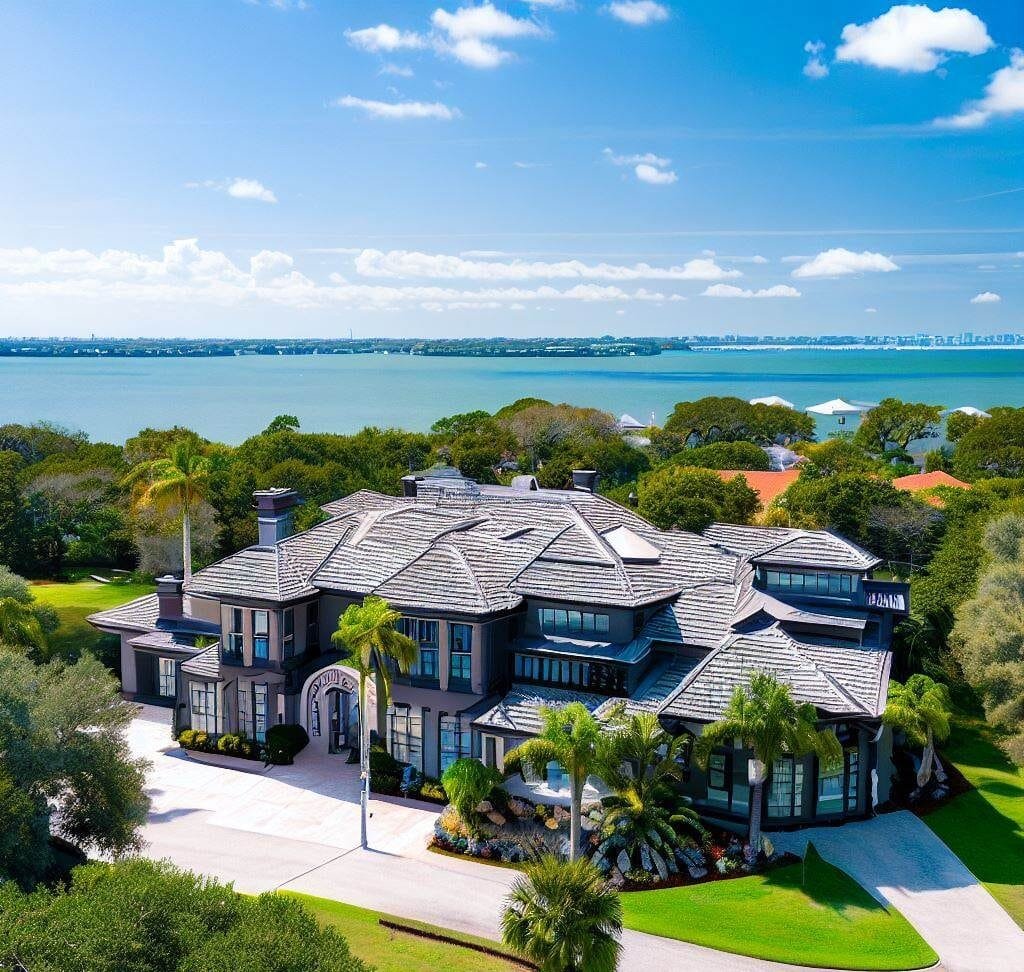
    Tampa Bay is home to some of the most luxurious homes in the country. From sprawling estates with private beaches to condos with stunning views of the city skyline, there’s a home in Tampa Bay to fit every taste and budget.

    One of the most popular areas for luxury homes in Tampa Bay is Davis Islands. This exclusive community is home to some of the most beautiful homes in the city, as well as a number of high-end shops and restaurants. Other popular areas for luxury homes in Tampa Bay include Bayshore Boulevard, Hyde Park, and Old Hyde Park.

    Exclusive Communities in Tampa Bay

    In addition to its stunning homes, Tampa Bay is also home to a number of exclusive communities. These communities offer residents a variety of amenities, such as private security, pools, tennis courts, and golf courses. Some of the most popular exclusive communities in Tampa Bay include Harbour Island, Davis Islands, and Old Hyde Park.

    Endless Amenities

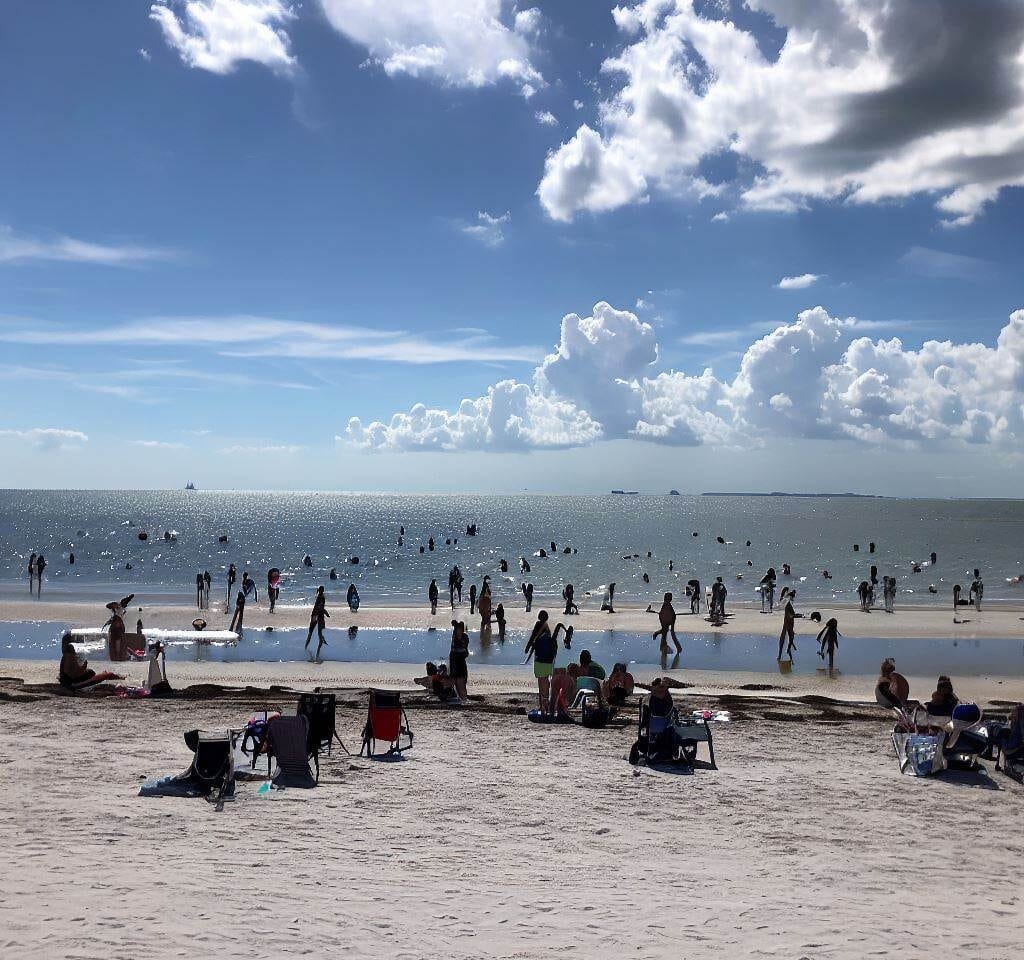
    In addition to its beautiful homes and exclusive communities, Tampa Bay also offers a number of endless amenities. From world-class beaches and golf courses to vibrant nightlife and a thriving arts scene, there’s something for everyone in this vibrant metropolis.

    Some of the most popular amenities in Tampa Bay include:

    • Beautiful beaches
    • World-class golf courses
    • Vibrant nightlife
    • Thriving arts scene
    • Major league sports teams
    • Abundant shopping and dining options
    • Affordability

    Conclusion

    If you’re looking for a place to live that offers the best of everything, Tampa Bay is the perfect choice. With its stunning homes, exclusive communities, and endless amenities, Tampa Bay is the perfect place to live the good life.

    Call to Action

    If you’re interested in learning more about luxury living in Tampa Bay, please contact a real estate agent today. They can help you find the perfect home in this vibrant city.

    FAQs about Luxury Living in Tampa Bay

    What are the most popular areas for luxury homes in Tampa Bay?

    Some of the most popular areas for luxury homes in Tampa Bay include Davis Islands, Bayshore Boulevard, Hyde Park, and Old Hyde Park.

    What are some of the amenities that are offered in exclusive communities in Tampa Bay?

    Some of the amenities that are offered in exclusive communities in Tampa Bay include private security, pools, tennis courts, and golf courses.

    What are some of the most popular amenities in Tampa Bay?

    Some of the most popular amenities in Tampa Bay include:

    • Beautiful beaches
    • World-class golf courses
    • Vibrant nightlife
    • Thriving arts scene
    • Major league sports teams
    • Abundant shopping and dining options
    • Affordability
  • Real Estate Renovations Made Easy: Transforming Your Property on a Budget

    Real Estate Renovations Made Easy: Transforming Your Property on a Budget

    Introduction

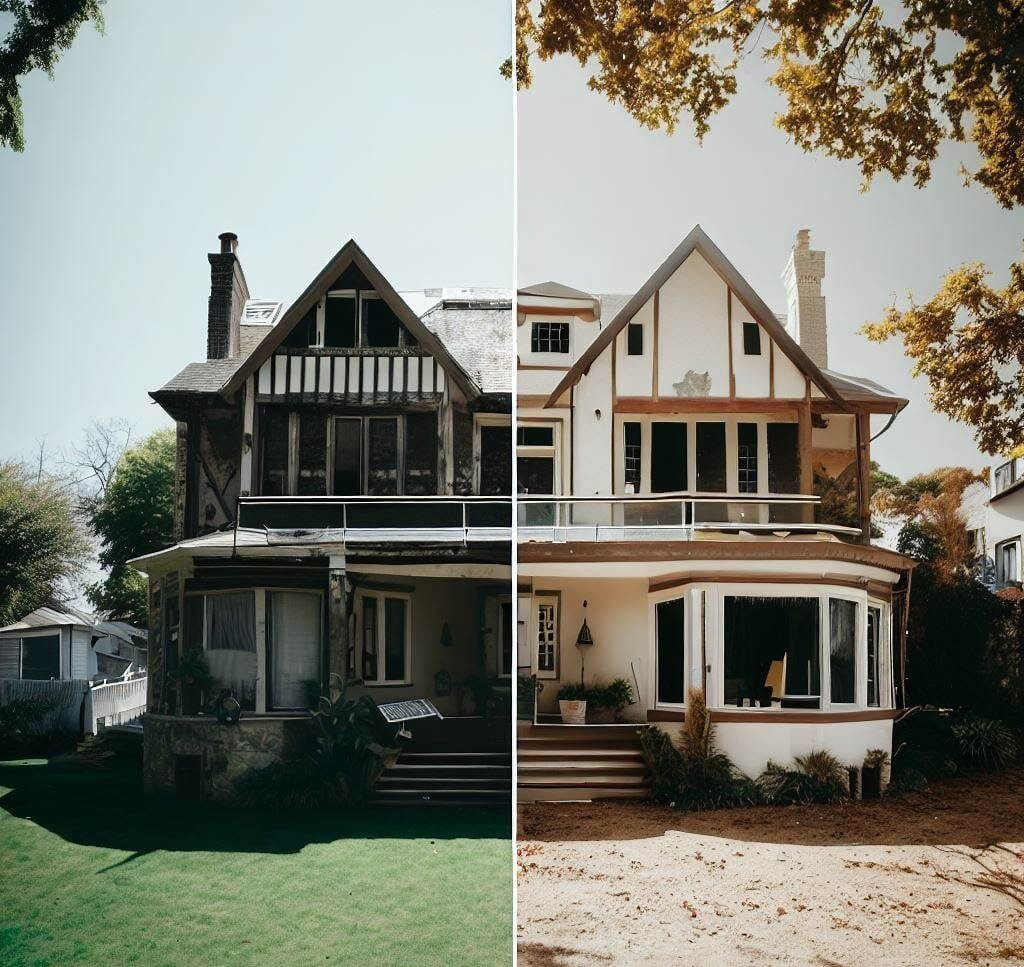
    Real estate renovations can be expensive, but they don’t have to be. With a little planning and effort, you can transform your home or investment property on a budget.

    In this article, we will share some tips on how to do just that. We will cover everything from choosing the right projects to finding the best deals on materials and labor.

    By following these tips, you can save money and still create a beautiful and functional space.


    1. Choose the Right Projects

    The first step to any successful renovation is to choose the right projects. Not all projects are created equal, and some are simply more expensive than others.

    When choosing projects, it is important to consider your budget, your skill level, and your goals. If you are on a tight budget, you will want to focus on smaller, less expensive projects.

    If you are not very handy, you may want to hire a contractor to help you with the more complicated projects.

    And if you are looking to make a big impact, you may want to focus on projects that will improve the overall value of your property.

    Here are a few ideas for budget-friendly renovation projects:

    • Paint the walls
    • Update the flooring
    • Replace the light fixtures
    • Add new hardware
    • Declutter and organize
    • Install new curtains or blinds
    • Add new plants or flowers

    2. Do Your Research

    Once you have chosen your projects, it is important to do your research. This will help you to find the best deals on materials and labor.

    There are a number of ways to do research. You can read online reviews, talk to friends and family, or visit local hardware stores and home improvement centers.

    It is also important to get multiple estimates from contractors before hiring anyone. This will help you to ensure that you are getting a fair price.


    3. Get Creative

    One of the best ways to save money on renovations is to get creative. There are a number of ways to do this, such as:

    • Repurposing old furniture and fixtures
    • Using DIY projects
    • Finding deals on materials and labor
    • Getting creative with your design

    By getting creative, you can save money and still create a beautiful and functional space.


    4. Don’t Be Afraid to Ask for Help

    If you are not sure how to do something, don’t be afraid to ask for help. There are a number of resources available to you, such as:

    • Online tutorials
    • DIY books and magazines
    • Home improvement centers
    • Contractors

    By asking for help, you can avoid making costly mistakes and ensure that your renovation is done correctly.


    5. Take Your Time

    Renovations can be time-consuming, so it is important to take your time. Rushing through a renovation can lead to costly mistakes.

    It is also important to be patient. Renovations can be stressful, so it is important to take breaks and relax when you need to.


    Conclusion

    Renovating your home or investment property can be a great way to improve its value and make it more enjoyable to live in. However, renovations can also be expensive.

    By following the tips in this article, you can save money and still create a beautiful and functional space.

    So what are you waiting for? Start planning your renovation today!

    Relevé Real Estate’s Most Asked Questions:

    Q: How do I choose the right projects for my budget?

    A: When choosing projects, it is important to consider your budget, your skill level, and your goals. If you are on a tight budget, you will want to focus on smaller, less expensive projects. If you are not very handy, you may want to hire a contractor to help you with the more complicated projects. And if you are looking to make a big impact, you may want to focus on projects that will improve the overall value of your property.

    Q: How do I do my research on materials and labor?

    A: There are a number of ways to do research on materials and labor. You can read online reviews, talk to friends and family, or visit local hardware stores and home improvement centers. It is also important to get multiple estimates from contractors before hiring anyone. This will help you to ensure that you are getting a fair price.

    Q: How can I get creative with my renovation?

    A: There are a number of ways to get creative with your renovation. You can repurpose old furniture and fixtures, use DIY projects, find deals on materials and labor, or get creative with your design. By getting creative, you can save money and still create a beautiful and functional space.

    Q: Who can I ask for help with my renovation?

    A: There are a number of resources available to you if you need help with your renovation. You can ask friends and family, read online tutorials, or hire a contractor. By asking for help, you can avoid making costly mistakes and ensure that your renovation is done correctly.

    Q: How can I make sure my renovation is done on time and on budget?

    A: It is important to create a timeline and budget for your renovation before you start. This will help you to stay on track and avoid overspending. It is also important to communicate with your contractor regularly and to be flexible if there are unexpected delays.

    Q: What are some common mistakes to avoid when renovating your home?

    A: Some common mistakes to avoid when renovating your home include:

    • Not planning ahead
    • Overspending
    • Hiring the wrong contractor
    • Not communicating with your contractor
    • Not being flexible
    • Rushing through the renovation

    By avoiding these mistakes, you can ensure that your renovation is a success.

  • Uncovering Hidden Gems: The Most Underrated Real Estate Markets in Tampa Bay to Watch

    Uncovering Hidden Gems: The Most Underrated Real Estate Markets in Tampa Bay to Watch

    Tampa Bay is a vibrant and growing region with a lot to offer residents and investors alike. With its beautiful beaches, mild climate, and strong economy, it’s no wonder that Tampa Bay is one of the most popular places to live in the country.

    But not all parts of Tampa Bay are created equal. Some areas are more desirable than others, and some offer better investment opportunities. If you’re looking for a hidden gem in the Tampa Bay real estate market, here are a few underrated real estate markets to consider:

    1. Brandon

    Brandon is a rapidly growing suburb located just east of Tampa. It’s home to a variety of businesses and industries, as well as a number of educational institutions, including the University of South Florida. Brandon is also a great place to raise a family, with excellent schools and a variety of parks and recreation facilities.

    2. Lutz

    Lutz is another up-and-coming suburb located just north of Tampa. It’s home to a number of major employers, including Publix Super Markets and Sykes Enterprises. Lutz is also a great place for families, with a variety of parks and recreation facilities, as well as a number of good schools.

    3. Wesley Chapel

    Wesley Chapel is a rapidly growing suburb located just west of Tampa. It’s home to a number of major employers, including Wiregrass Ranch High School and the Wiregrass Ranch Town Center. Wesley Chapel is also a great place for families, with a variety of parks and recreation facilities, as well as a number of good schools.

    4. St. Petersburg

    St. Petersburg is a vibrant city located on the Gulf of Mexico. It’s home to a number of museums, art galleries, and theaters, as well as a number of professional sports teams, including the Tampa Bay Rays and the Tampa Bay Lightning. St. Petersburg is also a great place to live for those who enjoy the outdoors, with a number of parks and beaches.

    5. Clearwater

    Clearwater is a beautiful city located on the Gulf of Mexico. It’s home to a number of beaches, as well as a number of restaurants, shops, and hotels. Clearwater is also a great place to live for those who enjoy the outdoors, with a number of parks and nature preserves.

    These are just a few of the many underrated real estate markets in Tampa Bay. If you’re looking for a great place to live or invest, be sure to consider these areas.


    In addition to the above, here are some other factors to consider when investing in real estate in Tampa Bay:

    • The location of the property: Tampa Bay is a large metropolitan area, so it’s important to choose a property that’s located in a desirable area. Some factors to consider include the proximity to schools, parks, shopping, and other amenities.
    • The condition of the property: It’s important to have a property inspected before you buy it to make sure that there are no major repairs that need to be made.
    • The price of the property: Tampa Bay is a competitive market, so it’s important to make sure that you’re getting a good deal on the property.

    With careful planning and research, you can find a great investment property in Tampa Bay.

  • Escape the Rent Trap: Why Owning Real Estate is the Smartest Financial Move

    Escape the Rent Trap: Why Owning Real Estate is the Smartest Financial Move

    Introduction

    Renting can be a convenient and affordable way to live, but it can also be a financial trap. Over the course of your lifetime, you could spend hundreds of thousands of dollars on rent, money that could be going towards building equity by owning real estate.

    If you’re thinking about buying a home, there are a number of financial benefits that you should consider. Owning a home can help you:

    • Build equity
    • Save on taxes
    • Generate passive income

    Building Equity

    When you buy a home, you’re essentially buying an asset that appreciates in value over time. The amount of equity you build in your home depends on a number of factors, including the price of the home, the amount of your down payment, and the appreciation of the housing market.

    As you make mortgage payments, you’ll slowly build equity in your home. This equity can be used to fund home improvements, pay for college, or even supplement your retirement income.

    Saving on Taxes

    Homeowners can deduct their mortgage interest and property taxes from their federal income taxes. This can save you hundreds or even thousands of dollars each year.

    Generating Passive Income

    If you rent out your home, you can generate passive income. This means that you’ll earn money from your rental property without having to do any work.

    Of course, there are some costs associated with owning a rental property, such as property taxes, insurance, and maintenance. However, the potential income from your rental property can still be a significant financial benefit.

    Conclusion

    Owning a home can provide you with a number of financial benefits. If you’re thinking about buying a home, be sure to weigh the pros and cons carefully. With careful planning, owning a home can be a wise financial decision that will pay off for years to come.

    Additional Information

    In addition to the financial benefits listed above, owning a home can also provide you with a number of other benefits, such as:

    • A sense of security and stability. When you own your own home, you have a place to call your own that you can’t be evicted from. This can provide you with a sense of security and stability, especially if you have a family.
    • The ability to customize your home to your own needs. When you rent, you’re limited to the features and amenities that are already in the home. When you own your own home, you can make changes to the home to suit your needs and preferences.
    • The ability to build a legacy. When you own a home, you can pass it down to your children or grandchildren. This can be a valuable way to build a legacy and leave something behind for your loved ones.

    If you’re considering buying a home, be sure to do your research and talk to a financial advisor to determine if it’s the right decision for you. With careful planning, owning a home can be a wise financial decision that will pay off for years to come.

    Relevé Real Estate’s Most Asked Questions:

    What are the pros and cons of owning a home?

    Owning a home has both pros and cons. Some of the pros include:

    • Building equity
    • Saving on taxes
    • Generating passive income
    • A sense of security and stability
    • The ability to customize your home to your own needs
    • The ability to build a legacy

    Some of the cons include:

    • High upfront costs
    • Ongoing maintenance and repairs
    • The risk of losing money if the housing market declines
    • The possibility of being tied to a mortgage for many years

    How much money do I need to buy a home?

    The amount of money you need to buy a home will vary depending on the price of the home, the amount of your down payment, and your mortgage interest rate. A good rule of thumb is to have a down payment of at least 20% of the purchase price. You will also need to have enough money saved for closing costs, which can range from 2-5% of the purchase price.

    What are the steps involved in buying a home?

    The steps involved in buying a home can vary, but they typically include:

    1. Get pre-approved for a mortgage
    2. Find a real estate agent
    3. Start looking at homes
    4. Make an offer on a home
    5. Negotiate the purchase price
    6. Close on the home

    What are the costs associated with buying a home?

    The costs associated with buying a home can vary, but they typically include:

    • Down payment
    • Closing costs
    • Mortgage interest
    • Property taxes
    • Homeowners insurance
    • Maintenance and repairs

    What are some tips for buying a home?

    Here are some tips for buying a home:

    • Do your research and get pre-approved for a mortgage before you start looking at homes.
    • Work with a real estate agent who knows the area and can help you find the right home for your needs.
    • Be prepared to negotiate the purchase price.
    • Don’t forget to factor in the costs of homeownership, such as property taxes, homeowners insurance, and maintenance and repairs.
  • Beyond Location: Unveiling the Hidden Factors That Make a Property Valuable

    Beyond Location: Unveiling the Hidden Factors That Make a Property Valuable

    Introduction

    When it comes to real estate, location has long been hailed as the most important factor in determining the value of a property. However, there are several other hidden factors that contribute significantly to the make a property valuable. In this article, we will explore these lesser-known factors that go beyond location and shed light on their impact on property valuation.

    The Role of Amenities and Infrastructure

    While location sets the stage, amenities and infrastructure play a crucial role in making a property valuable. Proximity to schools, hospitals, shopping centers, and recreational facilities significantly enhances the appeal of a property. These amenities not only provide convenience to residents but also indicate a higher quality of life. Properties located in areas with well-developed infrastructure, such as good road connectivity, public transportation, and reliable utility services, tend to command higher prices due to the added convenience they offer.

    Architectural Design and Quality

    The architectural design and quality of construction are often overlooked factors that can greatly influence a property’s value. A well-designed property with attention to detail, aesthetic appeal, and functional layout can significantly enhance its value. High-quality construction materials and craftsmanship contribute to the longevity and durability of a property, making it more attractive to potential buyers. Unique architectural features, such as vaulted ceilings, skylights, or panoramic views, can also add a premium value to a property.

    Historical Significance and Cultural Heritage

    Properties with historical significance or cultural heritage carry a unique appeal that goes beyond their physical attributes. Historic homes, landmark buildings, or properties located in heritage neighborhoods have a sense of charm and character that sets them apart. Such properties often have restrictions on renovations or alterations, which ensures the preservation of their historical and cultural value. The scarcity of such properties and their intrinsic value in terms of heritage make them highly desirable and, consequently, more valuable.

    Future Development Potential

    Anticipating future development and growth potential is an important consideration when assessing the value of a property. Areas undergoing urban revitalization or redevelopment projects are likely to experience a surge in property values. For instance, the construction of new infrastructure, business parks, or the expansion of transportation networks can significantly impact property values in the surrounding areas. Investing in properties located in areas with strong growth potential can yield substantial returns in the long run.

    Environmental Factors and Sustainability

    In recent years, environmental factors and sustainability have gained prominence in the real estate market. Properties that incorporate eco-friendly features, such as energy-efficient systems, green building materials, and renewable energy sources, are increasingly sought after. Buyers are not only attracted to the cost-saving benefits of sustainable properties but also their positive impact on the environment. The integration of sustainable practices adds value to a property and positions it as a responsible and forward-thinking investment.

    Security and Safety Measures

    Safety and security are paramount concerns for homeowners and property investors. Properties located in low-crime areas or gated communities tend to command higher prices due to the peace of mind they offer. The presence of security features such as surveillance systems, access controls, and well-lit surroundings also contribute to the overall value of a property. Homebuyers and tenants are willing to pay a premium for properties that prioritize safety and provide a secure living environment.

    Conclusion

    While location remains a crucial factor, it is essential to look beyond it to fully understand the value of a property. Amenities, infrastructure, architectural design, historical significance, future development potential, environmental sustainability, and security measures all contribute to the overall value of a property. Considering these hidden factors when assessing a property’s value can help investors make informed decisions and maximize their returns.

    Here are some additional factors that can affect the value of a property:

    • View: A property with a stunning view, such as a mountain range, the ocean, or a city skyline, can be worth significantly more than a property with no view.
    • Privacy: Buyers are willing to pay a premium for properties that offer privacy, such as those with large lots or those that are set back from the street.
    • Landscaping: Well-maintained landscaping can make a property more attractive and can also add value.
    • Energy efficiency: Properties that are energy-efficient can save buyers money on their utility bills, which can make them more desirable.
    • Pet-friendly features: Properties that are pet-friendly, such as those with fenced-in yards or dog parks nearby, can be more appealing to buyers who have pets.
    • Condo amenities: Condos and townhomes that offer amenities, such as pools, gyms, or parking, can be worth more than those that do not.
    • HOA fees: HOA fees can be a factor in determining the value of a property. Buyers will be less likely to pay a high price for a property with high HOA fees.
    • Taxes: The property taxes on a property can also affect its value. Buyers will be less likely to pay a high price for a property with high property taxes.

    It is important to consider all of these factors when determining the value of a property. By taking the time to assess all of the factors that can affect value, you can make an informed decision about whether or not to purchase a particular property.

  • How to Enjoy Your Land

    How to Enjoy Your Land

    Introduction

    Having a piece of land is a wonderful asset that can provide numerous opportunities for enjoyment and fulfillment. Whether you own a small backyard or a vast rural property, there are countless ways to make the most of your land and create a space that brings you joy. In this article, we will explore various ideas and activities that can help you maximize your land’s potential for enjoyment and relaxation.

    Creating Functional Spaces

    One of the best ways to enjoy your land is to create functional spaces that are tailored to your specific needs and interests. For example, if you love to entertain, you might want to build a patio or deck with plenty of seating and a barbecue grill. If you enjoy gardening, you might want to create a vegetable garden or flower bed. And if you’re looking for a place to relax and unwind, you might want to build a gazebo or hammock stand.

    No matter what your interests are, there are endless possibilities for creating functional spaces on your land. By taking the time to design and build these spaces, you can create a truly unique and enjoyable outdoor living environment.

    Exploring Recreational Activities

    In addition to creating functional spaces, you can also enjoy your land by exploring a variety of recreational activities. Some popular options include:

    • Playing sports. If you’re an active person, you might enjoy setting up a sports area on your land. This could include a basketball court, volleyball court, or badminton court.
    • Swimming. If you live in a warm climate, you might want to add a swimming pool to your land. This is a great way to cool off on hot summer days and have some fun with family and friends.
    • Camping. If you’re looking for a more rustic experience, you might want to set up a campsite on your land. This could be as simple as pitching a tent in the backyard or as elaborate as building a cabin in the woods.
    • Hiking. If you enjoy being outdoors, you might want to create hiking trails on your land. This is a great way to get some exercise and explore the natural beauty of your property.
    • Fishing. If you live near a body of water, you might enjoy fishing on your land. This is a great way to relax and catch some fresh fish for dinner.

    These are just a few of the many recreational activities that you can enjoy on your land. By taking the time to explore your options, you can find activities that you and your family will love.

    Embracing Sustainable Practices

    In addition to enjoying your land, you can also make a positive impact on the environment by embracing sustainable practices. Some simple things you can do include:

    • Using native plants. Native plants are adapted to the local climate and conditions, which means they require less water and maintenance than non-native plants.
    • Composting. Composting is a natural way to recycle organic materials, such as food scraps and yard waste. This helps to reduce waste and improve soil quality.
    • Using rainwater harvesting. Rainwater harvesting is a system that collects rainwater from roofs and gutters and stores it for use in irrigation or other applications. This helps to conserve water and reduce the amount of runoff that goes into storm drains.

    By embracing sustainable practices, you can help to protect the environment and make your land more enjoyable for years to come.

    Conclusion

    Owning land presents endless possibilities for enjoyment and fulfillment. By designing a beautiful landscape, creating functional spaces, and exploring recreational activities, you can create a truly unique and enjoyable outdoor living environment. And by embracing sustainable practices, you can help to protect the environment and make your land more enjoyable for years to come.