Author: Releve Real Estate

  • Selling Your House As-Is: A Comprehensive Guide

    Selling Your House As-Is: A Comprehensive Guide

    If you’re looking to sell your home, you may be wondering if it’s worth it to sell it as-is. Selling your house as-is means that you’re not willing to make any repairs or renovations before the sale. This can be a good option for homeowners who don’t have the time, money, or energy to invest in their property. However, selling a house as-is can also mean that you’ll get a lower price for your home since buyers will need to factor in the cost of repairs.

    What Does It Mean to Sell a House As-Is?

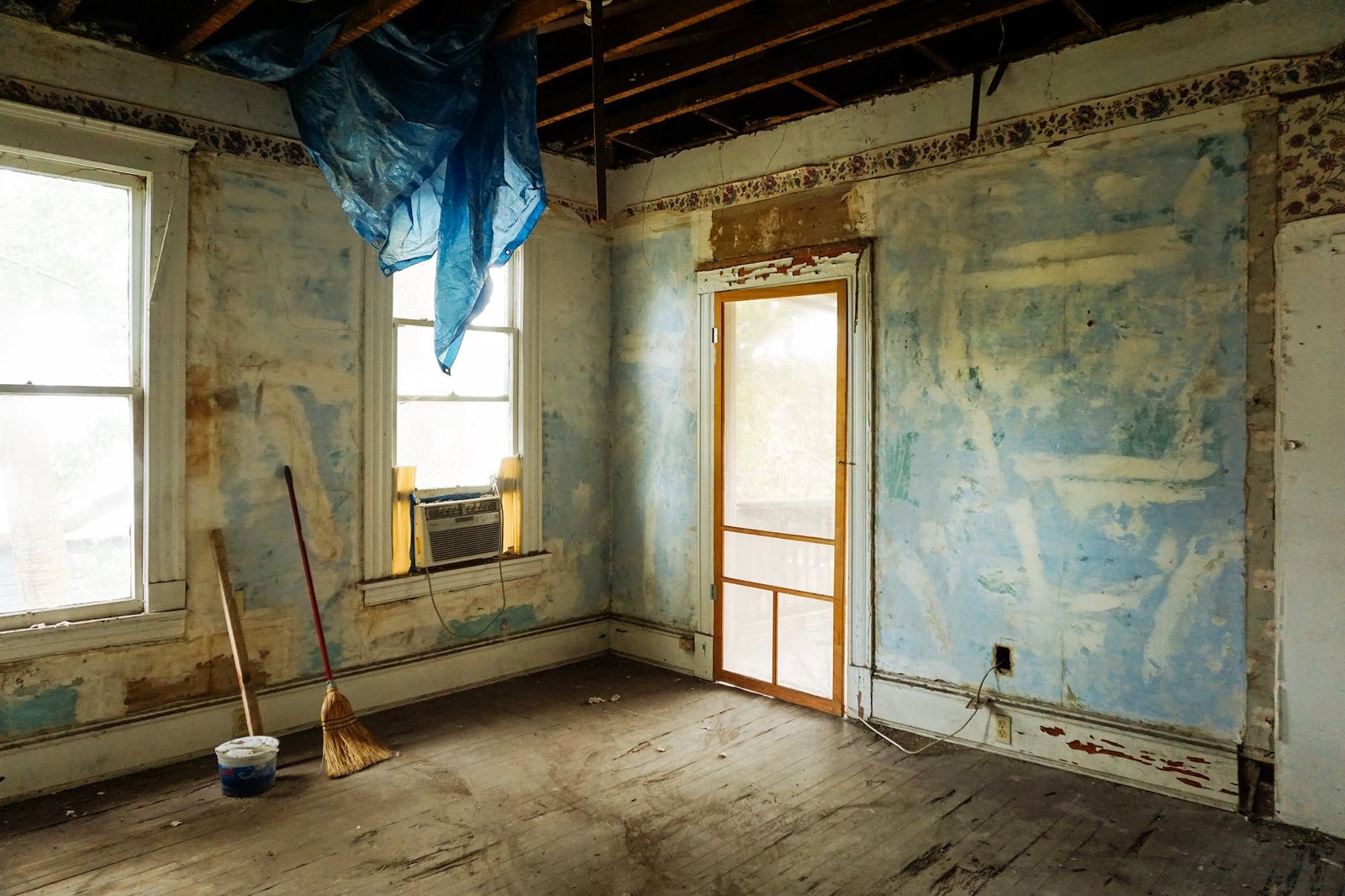
    Selling a house as-is means that you’re not willing to make any repairs or renovations before the sale. This includes any cosmetic repairs, such as painting or fixing up the yard, as well as any structural repairs, such as fixing a leaky roof or replacing a broken window.

    When Is Selling a House As-Is a Good Idea?

    There are a few situations in which selling a house as-is may be a good idea. For example, if you’re in a hurry to sell your home, selling it as-is may be the quickest way to get it off the market. Additionally, if your home needs a lot of work, selling it as-is may be a way to avoid the cost of repairs.

    What Are the Pros and Cons of Selling a House As-Is?

    There are both pros and cons to selling a house as-is.

    Pros

    • You save money on repairs and renovations.
    • You can sell your house quickly.
    • You don’t have to deal with open houses and negotiations.

    Cons

    • You’ll likely get a lower price for your home.
    • You’ll limit your pool of potential buyers.
    • You may have to disclose known defects.

    How to Sell Your House As-Is

    If you’ve decided to sell your house as-is, there are a few things you can do to maximize your chances of getting a good price.

    • Make sure your home is clean and decluttered. Buyers are more likely to make an offer on a clean and tidy home, even if it needs some work.
    • Get a pre-sale inspection. This will help you identify any potential problems with your home that you may not be aware of. You can then disclose these problems to buyers before they make an offer.
    • Work with a real estate agent who has experience selling as-is properties. A good real estate agent can help you price your home competitively and market it to buyers who are looking for a fixer-upper.

    Conclusion

    Selling a house as-is can be a good option for some homeowners, but it’s important to weigh the pros and cons carefully before making a decision. By following our tips and working with a reputable real estate agent, you can maximize your chances of getting a good price for your property, even if it needs some work.

    Additional Tips for Selling Your House As-Is

    Here are a few additional tips for selling your house as-is:

    • Be honest about the condition of your home. Don’t try to hide any problems or defects, as this could come back to bite you later.
    • Be prepared to negotiate. Buyers who are interested in buying your house as-is will likely be looking for a good deal. Be prepared to negotiate on price and terms.
    • Be patient. Selling a house as-is may take longer than selling a home that is in move-in condition. Be patient and don’t give up.

    Selling your house as-is can be a challenge, but it can be done. By following these tips, you can increase your chances of success.

    Frequently Asked Questions:

    What does it mean to sell a house as-is?

    Selling a house as-is means that you’re not willing to make any repairs or renovations before the sale. This includes any cosmetic repairs, such as painting or fixing up the yard, as well as any structural repairs, such as fixing a leaky roof or replacing a broken window.

    Why would someone want to sell their house as-is?

    There are a few reasons why someone might want to sell their house as-is. For example, they might be in a hurry to sell, they might not have the time or money to make repairs, or they might be selling to an investor who is willing to take on a fixer-upper.

    What are the pros and cons of selling a house as-is?

    Pros:

    • You save money on repairs and renovations.
    • You can sell your house quickly.
    • You don’t have to deal with open houses and negotiations.

    Cons:

    • You’ll likely get a lower price for your home.
    • You’ll limit your pool of potential buyers.
    • You may have to disclose known defects.

    How do I sell my house as-is?

    If you’ve decided to sell your house as-is, there are a few things you can do to maximize your chances of getting a good price.

    • Make sure your home is clean and decluttered. Buyers are more likely to make an offer on a clean and tidy home, even if it needs some work.
    • Get a pre-sale inspection. This will help you identify any potential problems with your home that you may not be aware of. You can then disclose these problems to buyers before they make an offer.
    • Work with a real estate agent who has experience selling as-is properties. A good real estate agent can help you price your home competitively and market it to buyers who are looking for a fixer-upper.

    Is it a good idea to sell my house as-is?

    Whether or not it’s a good idea to sell your house as-is depends on your individual circumstances. If you’re in a hurry to sell, don’t have the time or money to make repairs, or are selling to an investor, then selling your house as-is may be a good option for you. However, if you’re not in a hurry to sell and want to get the best possible price for your home, then you may want to consider making some repairs before listing it.

  • The Ultimate Guide to Flipping Houses: How to Flip a House Successfully and Make a Profit

    The Ultimate Guide to Flipping Houses: How to Flip a House Successfully and Make a Profit

    Introduction

    House flipping is the process of buying a property, renovating it, and selling it for a profit. While it can be a lucrative way to make money in real estate, it’s not without challenges. This guide will walk you through the step-by-step process of flipping a house successfully, from finding the right property to selling it for maximum profit.


    Before You Start Flipping Houses

    Flipping houses requires a significant investment of time, money, and effort. Before diving in, consider the following:

    1. Set a Budget
      Determine how much you can afford to spend on the property, renovations, and holding costs. Sticking to a budget helps avoid overspending and ensures profitability.
    2. Find the Right Property
      Look for undervalued properties or those in need of repairs. Focus on location, property condition, and potential resale value.
    3. Assemble Your Team
      You’ll need a team of professionals, including a real estate agentcontractor, and accountant, to help you navigate the process.

    The House Flipping Process

    1. Finding the Right Property

    The first step is to identify a property with potential. Look for:

    • Foreclosures
    • Auctions
    • Properties that have been on the market for a long time

    2. Analyzing the Property

    Once you’ve found a potential property, analyze it by:

    • Estimating the resale value
    • Calculating renovation costs
    • Factoring in holding costs (e.g., property taxes, insurance, utilities)

    3. Financing the Flip

    Flipping a house requires significant capital. Explore financing options such as:

    • Traditional mortgages
    • Hard money loans
    • Private investors

    4. Renovating the Property

    Renovations are critical to maximizing profit. Key steps include:

    • Hiring a licensed contractor
    • Obtaining necessary permits
    • Managing the renovation timeline and budget

    5. Listing and Selling the Property

    Once renovations are complete, it’s time to sell. This involves:

    • Hiring a real estate agent
    • Staging the property to attract buyers
    • Creating a marketing plan to reach potential buyers

    Conclusion

    Flipping houses can be a profitable venture, but it requires careful planning, a solid team, and a clear understanding of the risks involved. By following this guide, you can increase your chances of success and maximize your profits. Remember to do your researchset a realistic budget, and stay focused on your goals.


    Frequently Asked Questions (FAQs)

    1. How Much Money Can I Make Flipping Houses?

    The profit from flipping a house depends on factors like property cost, renovation expenses, and market conditions. On average, house flippers made $62,000 per flip in 2022 (source: RealtyTrac).

    2. What Are the Risks of Flipping Houses?

    Common risks include:

    • The property may not sell for the expected price.
    • Renovation costs may exceed the budget.
    • Unexpected delays or issues during renovations.
    • Difficulty finding qualified contractors.
    • Legal disputes with buyers or sellers.

    3. What Are the Steps to Flip a House?

    The key steps are:

    1. Find a property in need of repairs.
    2. Conduct a home inspection.
    3. Negotiate the purchase price.
    4. Secure financing.
    5. Complete renovations.
    6. Stage and market the property.
    7. Close the sale.

    4. What Skills Do I Need to Flip Houses?

    Successful house flippers need:

    • Real estate investing knowledge
    • Basic construction skills
    • Financial management skills
    • Marketing and negotiation skills
    • Problem-solving and leadership abilities

    5. Where Can I Learn More About Flipping Houses?

    Resources to explore include:

    • Books on real estate investing
    • Online courses about house flipping
    • Real estate investing clubs
    • Mentors with experience in flipping
  • How to Close on a House in Land O’ Lakes

    How to Close on a House in Land O’ Lakes

    Are you ready to buy a house in Land O’ Lakes? Congratulations! Buying a home is a big step, but it can be an incredibly rewarding experience. Here’s what you need to know about how to close on a house in Land O’ Lakes.

    Understand the Legal Paperwork

    The closing process can be overwhelming, especially when it comes to the legal paperwork involved. However, it is crucial to have a good understanding of the legal documents to ensure that everything is in order. Some of the legal paperwork that you may encounter during the closing process includes:

    • The purchase agreement: This is a legally binding contract that outlines the terms and conditions of the home purchase. It includes details such as the purchase price, closing date, and any contingencies that must be met before the sale can be completed.
    • Title insurance: This is an insurance policy that protects you from any potential legal issues that may arise with the property’s title. It covers issues such as liens, encumbrances, and other title defects that could affect your ownership of the property.
    • Mortgage documents: These documents outline the terms and conditions of the loan, including the interest rate, monthly payments, and the length of the loan. It is important to read and understand all of the terms of the mortgage documents to avoid any surprises down the road.

    Understand the Closing Costs

    Closing costs are an important consideration when buying a home in Land O’ Lakes. They typically range from 2% to 5% of the purchase price and can include a variety of fees, such as:

    • Appraisal fees: These are the costs associated with determining the value of the property. They are typically paid by the buyer and can range from $300 to $500.
    • Title search fees: These are the costs associated with researching the property’s title to ensure that there are no liens or other issues that could affect the sale. They are typically paid by the buyer and can range from $200 to $400.
    • Attorney fees: These are the costs associated with hiring an attorney to review the legal documents and ensure that everything is in order. They are typically paid by the buyer and can range from $500 to $1,500.

    Other closing costs may include loan origination fees, prepaid property taxes, and homeowner’s insurance premiums. It is important to review all of the closing costs with your real estate agent or attorney to ensure that you understand everything before closing.

    Schedule Your Closing

    Once you have agreed to the terms of the purchase agreement and have received your loan approval, it’s time to schedule your closing. The closing will typically take place at a title company or escrow office. You will need to bring the following documents to the closing:

    • A valid government-issued ID
    • A cashier’s check or certified funds for the down payment and closing costs
    • The signed purchase agreement
    • The signed mortgage documents
    • Any other documents that your lender or title company requires

    Attend the Closing

    The closing itself is a relatively short process. You will meet with the closing agent, who will review all of the paperwork with you and make sure that everything is in order. Once everything is approved, you will sign the final documents and the home will be officially yours!

    Congratulations on your new home!

    FAQs about closing on a house in Land O’ Lakes:

    What is closing?

    Closing is the final step in the home buying process. It is when the buyer and seller sign all of the paperwork to transfer ownership of the property. The closing typically takes place at a title company or escrow office.

    What documents do I need to bring to closing?

    You will need to bring the following documents to closing:

    • A valid government-issued ID
    • A cashier’s check or certified funds for the down payment and closing costs
    • The signed purchase agreement
    • The signed mortgage documents
    • Any other documents that your lender or title company requires

    What are closing costs?

    Closing costs are the fees associated with buying a home. They typically range from 2% to 5% of the purchase price and can include a variety of fees, such as:

    • Appraisal fees
    • Title search fees
    • Attorney fees
    • Loan origination fees
    • Prepaid property taxes
    • Homeowner’s insurance premiums

    How long does closing take?

    The closing process can take anywhere from a few hours to a few days. The length of time will vary depending on the complexity of the transaction and the availability of the parties involved.

    What happens at closing?

    At closing, you will meet with the closing agent, who will review all of the paperwork with you and make sure that everything is in order. Once everything is approved, you will sign the final documents and the home will be officially yours!

    What if I have questions about closing?

    If you have any questions about closing, be sure to ask your real estate agent or lender. They will be able to answer any questions you have and help you through the process.

  • How to Negotiate the Sale of Your Home for the Best Price

    How to Negotiate the Sale of Your Home for the Best Price

    Introduction

    Selling a house is a big deal. It’s a major financial transaction, and it can be emotionally draining. But it doesn’t have to be. By following these tips, you will learn how to negotiate the sale of your home.

    Do Your Research

    The first step in negotiating the sale of your home is to do your research. This means understanding the current market conditions, knowing the prices of comparable homes in your area, and getting an appraisal of your own home. This information will give you a good starting point for negotiations.

    Set Your Priorities

    Once you know the market value of your home, you need to set your priorities. What’s most important to you? Is it getting the highest possible price? Selling quickly? Avoiding hassles? Once you know what’s most important to you, you can start to negotiate accordingly.

    Understand the Buyer’s Perspective

    It’s also important to understand the buyer’s perspective. What are their needs and motivations? What are they willing to pay? By understanding the buyer’s perspective, you can tailor your negotiation strategy to meet their expectations.

    Build Rapport

    Building rapport with the buyer can go a long way in negotiations. If you can establish a good relationship with the buyer, they’ll be more likely to trust you and be willing to negotiate in good faith.

    Be Willing to Compromise

    Negotiation is all about compromise. Don’t expect to get everything you want. Be willing to give a little in order to get a little.

    Seek Professional Help

    If you’re not comfortable negotiating, or if you’re in a complex situation, it’s a good idea to seek professional help. A real estate agent, attorney, or professional negotiator can help you navigate the negotiation process and get the best possible outcome.

    Conclusion

    Selling a house can be a stressful and emotional process, but negotiating the sale price can be especially challenging. To ensure that you get the best possible price for your home, it’s essential to approach negotiations with a well-thought-out strategy and a clear understanding of your goals.

    Negotiating the sale of your home can be a challenging and intimidating process. However, by following these tips, you can increase your chances of a successful sale and get the best possible price for your home.

    Additional Tips

    Here are a few additional tips to help you negotiate the sale of your home like a pro:

    • Be prepared. Do your research and know your numbers.
    • Be confident. Believe in your home and its value.
    • Be patient. Negotiations can take time.
    • Be flexible. Be willing to compromise to reach an agreement.
    • Be professional. Always act in a professional manner, even if the buyer doesn’t.

    By following these tips, you can increase your chances of a successful sale and get the best possible price for your home.

    FAQs:

    Question: What are some tips for negotiating the sale of my home?

    Answer:

    • Do your research and know the value of your home.
    • Set your priorities and be willing to compromise.
    • Build rapport with the buyer and be professional.
    • Seek professional help if needed.

    Question: What are some common mistakes people make when negotiating the sale of their home?

    Answer:

    • Not doing their research.
    • Not setting their priorities.
    • Not being willing to compromise.
    • Not building rapport with the buyer.
    • Not being professional.

    Question: What are some things to keep in mind when negotiating the sale of my home?

    Answer:

    • The negotiation process is all about compromise.
    • Don’t expect to get everything you want.
    • Be patient and don’t rush into anything.
    • Get everything in writing.
    • Be prepared to walk away from the deal if it’s not in your best interest.
  • How to Price Your Home for Sale

    How to Price Your Home for Sale

    Are you thinking about selling your home? One of the most crucial decisions you’ll have to make is setting the right price. The right price can make all the difference in how quickly your home sells, and how much money you get for it.

    Here are some tips on how to price your home for sale:

    1. Understand the local real estate market. Before you can price your home correctly, you need to know what other homes in your area are selling for. This means looking at the local real estate market, including recent sales, current listings, and the average price per square foot. By doing your research, you can get a good sense of what your home is worth and what you can reasonably expect to sell it for.
    2. Compare your home to similar homes in your area. When looking at the local real estate market, focus on homes that are similar to yours. This means homes that are the same size, have the same number of bedrooms and bathrooms, and are in a similar condition. By comparing your home to these similar homes, you can get a better sense of how to price your home for sale.
    3. Factor in the cost of repairs and updates. If your home needs repairs or updates, you’ll need to factor these into your asking price. This means getting quotes for any necessary repairs or upgrades and deducting the cost from your asking price. By doing this, you can make sure you’re not overpricing your home and scaring off potential buyers.
    4. Don’t overprice your home. One of the biggest mistakes you can make when selling your home is overpricing it. If you price your home too high, you’ll scare off potential buyers and your home will sit on the market for longer than it should. This can lead to a lower final sale price, as buyers will assume that there must be something wrong with the home if it’s been on the market for a long time.
    5. Get a professional appraisal. If you’re still not sure how to price your home for sale, consider getting a professional appraisal. An appraiser will look at your home’s features, location, and condition, as well as recent sales in your area, to determine its value. While an appraisal can cost a few hundred dollars, it can be worth it in the long run if it helps you sell your home quickly and for the right price.
    6. Consider the time of year. Finally, it’s important to consider the time of year when you’re selling your home. The real estate market can be seasonal, with more homes on the market in the spring and summer months. By timing your sale correctly, you can increase your chances of selling your home quickly and for the right price.

    According to a study by the National Association of Realtors, homes that are priced correctly sell for an average of 95% of their asking price. Homes that are overpriced, on the other hand, can take months to sell and may even sell for less than their asking price.

    Real estate agents have a wealth of experience in pricing homes for sale. They can use their knowledge of the local market to help you set a fair price for your home.

    Here are a few anecdotes from real estate agents about the importance of pricing a home correctly:

    • “I had a client who priced her home too high. It sat on the market for six months before she finally lowered the price. By then, she had already lost out on a lot of potential buyers.”
    • “I had another client who priced his home too low. He got multiple offers over asking price and ended up selling his home for more than he thought it was worth.”

    By following the tips in this article, you can avoid the mistakes that many sellers make when pricing their homes for sale. By doing your research, taking your time, and getting professional advice, you can ensure that you get the right price for your home.

    What is the best way to determine the value of my home?

    There are a few different ways to determine the value of your home. One way is to look at recent sales of similar homes in your area. You can do this by using a real estate website or by talking to a real estate agent. Another way to determine the value of your home is to get a professional appraisal. An appraiser will look at your home’s features, location, and condition to determine its value.

    Should I price my home higher than what I want to sell it for?

    No, you should not price your home higher than what you want to sell it for. If you do, you will likely scare off potential buyers and your home will sit on the market for a long time. It is important to price your home competitively so that it sells quickly and for the best possible price.

    How much does a professional appraisal cost?

    The cost of a professional appraisal varies depending on the size and location of your home. In general, you can expect to pay between $300 and $500 for an appraisal.

    What if my home needs repairs before I can sell it?

    If your home needs repairs before you can sell it, you will need to factor the cost of those repairs into your asking price. You can also try to do some of the repairs yourself to save money.

    How long does it typically take to sell a home?

    The time it takes to sell a home varies depending on a number of factors, including the current market conditions, the condition of your home, and your asking price. In general, it takes between 30 and 90 days to sell a home.

    I hope this article was helpful! If you have any questions, please feel free to leave a comment below.

  • Tampa Bay Luxury Real Estate Market: A Buyer’s Guide

    Tampa Bay Luxury Real Estate Market: A Buyer’s Guide

    As experts in luxury real estate, we understand the importance of staying up-to-date with the latest trends and developments in the market. That’s why we’ve conducted extensive research on the Tampa Bay luxury real estate market and are excited to share our findings with you.

    The Tampa Bay Luxury Real Estate Market: A Brief Overview

    The Tampa Bay luxury real estate market has seen a surge in demand in recent years, with buyers from all over the world flocking to the area for its stunning natural beauty, excellent climate, and unparalleled quality of life. As a result, the market has become increasingly competitive, with properties selling quickly and often for above asking price.

    Key Drivers of Demand

    There are a number of key drivers of demand in the Tampa Bay luxury real estate market, including:

    • The increasing popularity of remote work: The COVID-19 pandemic has led to a surge in the popularity of remote work, which has allowed many high-earning professionals to relocate to the area while maintaining their careers.
    • The region’s growing economy and robust job market: The Tampa Bay area is home to a number of Fortune 500 companies, as well as a thriving startup scene. This has led to a strong economy and robust job market, which has attracted a wide range of businesses to the area, further fueling demand for luxury properties.
    • The area’s natural beauty: Tampa Bay is home to a stunning natural environment, with beautiful beaches, clear waters, and lush forests. This natural beauty is a major draw for buyers, who are looking for a place to relax and enjoy the outdoors.
    • The area’s affordability: Tampa Bay is still relatively affordable compared to other major metropolitan areas, making it an attractive option for buyers who are looking for a high-quality lifestyle at a more reasonable cost.

    What to Look for in a Tampa Bay Luxury Property

    If you’re considering buying a luxury property in the Tampa Bay area, there are a few things you’ll want to keep in mind:

    • Location: Location is always important, but it’s especially important in the luxury real estate market. When choosing a property, consider the neighborhood, the views, and the access to amenities.
    • Amenities: Luxury properties often come with a wide range of amenities, such as private pools, tennis courts, and fitness centers. Consider which amenities are important to you and make sure the property you choose has them.
    • Finishes: Luxury properties are typically finished to a high standard, with high-end materials and attention to detail. Make sure the property you choose has the finishes you’re looking for.
    • Size: Luxury properties come in a variety of sizes. Consider how much space you need and choose a property that’s the right size for your family.

    Working with a Real Estate Agent

    If you’re considering buying or selling a luxury property in the Tampa Bay area, it’s essential to work with a knowledgeable and experienced real estate agent who understands the intricacies of the market. With our expertise and personalized service, we can help you navigate the complexities of the market and find the perfect property for your needs.

    Conclusion

    The Tampa Bay luxury real estate market is an excellent choice for buyers seeking a high-quality lifestyle in a stunning natural setting. With increasing demand and a wide range of properties available at affordable prices, now is the perfect time to explore the opportunities available in this thriving market.

  • Navigating Rising Mortgage Rates in 2023: How to Get Pre-Approved for a Mortgage

    Navigating Rising Mortgage Rates in 2023: How to Get Pre-Approved for a Mortgage

    Buying a house is a significant decision, and getting pre-approved for a mortgage is a crucial step in the process. Pre-approval gives you an idea of how much you can afford to borrow and makes it more likely that your offer will be accepted. Here is a step-by-step guide on how to get pre-approved for a mortgage:

    1. Get your finances in order: Gather your income and debt documentation, such as tax returns, pay stubs, and bank statements. You will also need a copy of your credit report.
    2. Shop around for lenders: There are many lenders out there, so it’s important to compare rates and terms before you choose one. Use a mortgage calculator to estimate your monthly payments.
    3. Apply for pre-approval: Fill out an application and provide the required documentation to the lender. The lender will review your application and issue you a pre-approval letter. The letter will state the amount of money you’re qualified to borrow, the interest rate you’ll be offered, and the length of the loan. This information is helpful to your real estate agent when making offers on houses.
    4. Prepare to answer questions: Be prepared to answer questions about your finances accurately and honestly.
    5. Negotiate: Don’t be afraid to negotiate with the lender to get a better interest rate.

    While getting pre-approved for a mortgage is an important step in the home buying process, it’s also important to keep in mind that pre-approval is not a guarantee of a mortgage loan. The lender can still deny your application even after pre-approval if there are changes to your financial situation, such as a job loss or significant increase in debt.

    To avoid this scenario, it’s important to maintain financial stability and avoid major purchases or changes to your financial situation until after the loan has closed. This includes avoiding new credit applications, paying bills on time, and keeping your credit utilization low.

    Additionally, it’s important to understand that the pre-approval amount is not necessarily the same as the maximum amount you can borrow. The pre-approval amount is simply the amount that the lender is willing to offer based on the information you provided at the time of application. Once you find a home and make an offer, the lender will evaluate the property and re-assess your financial situation to determine the actual amount they are willing to lend.

    In summary, getting pre-approved for a mortgage is a crucial step in the home buying process. By following the tips outlined in this article, you can increase your chances of getting pre-approved and obtaining the best possible mortgage deal. Remember to maintain financial stability and avoid major changes to your financial situation until after the loan has closed to ensure a smooth and successful home buying experience.

    Bonus Pro Tip:

    Once you’re pre-approved for a mortgage, keep your finances in order. This means making all of your payments on time and keeping your credit score high. If your financial situation changes, inform your lender right away.

    Bonus Pro Tip #2:

    When interest rates are rising, consider shopping around for a mortgage, opting for a shorter loan term, making a larger down payment, paying down your debt, or increasing your income. By following these tips, you can mitigate the impact of rising interest rates on your mortgage.

    FAQs:

    How long does it take to get pre-approved for a mortgage?

    The time it takes to get pre-approved for a mortgage can vary depending on a number of factors, including the lender, the type of loan you’re applying for, and the amount of documentation you need to provide. However, in general, it can take anywhere from a few days to a few weeks to get pre-approved.

    What’s the difference between pre-qualification and pre-approval?

    Pre-qualification is a process that gives you an idea of how much you can borrow for a mortgage. It’s a relatively quick and easy process that doesn’t require any documentation. Pre-approval, on the other hand, is a more in-depth process that involves providing the lender with documentation about your income, assets, and debts. Pre-approval is more accurate than pre-qualification and can give you a better idea of how much you can afford to borrow.

    How can I improve my chances of getting pre-approved for a mortgage?

    There are a few things you can do to improve your chances of getting pre-approved for a mortgage:

    • Get your finances in order. This includes gathering your income and debt documentation, such as your tax returns, pay stubs, and bank statements. You’ll also need to get a copy of your credit report.
    • Shop around for lenders. There are many different lenders out there, so it’s important to compare rates and terms before you choose one. You can use a mortgage calculator to help you estimate your monthly payments.
    • Have a good credit score. A good credit score is essential for getting a mortgage. You can improve your credit score by paying your bills on time, keeping your debt low, and avoiding late payments or collections.
    • Make a down payment. A down payment is a percentage of the purchase price of the home that you pay upfront. The larger your down payment, the lower your monthly mortgage payment will be.
    • Choose a shorter loan term. A shorter loan term will have a higher monthly payment, but you’ll pay less interest over the life of the loan.

    What are the income requirements for a mortgage pre-approval?

    The income requirements for a mortgage pre-approval vary depending on the lender and the type of loan you’re applying for. However, in general, you’ll need to have a steady income that is sufficient to cover your monthly mortgage payments and other debt obligations.

    Can I get pre-approved for a mortgage with bad credit?

    It may be more difficult to get pre-approved for a mortgage with bad credit, but it’s not impossible. There are lenders who specialize in mortgages for borrowers with bad credit. However, you’ll likely have to pay a higher interest rate and may have to put down a larger down payment.

    I hope this answers your questions. Please let me know if you have any other questions.

  • 10 Reasons to Move to Land O’ Lakes: Exploring the Best Features and Benefits of this Charming Florida Community

    10 Reasons to Move to Land O’ Lakes: Exploring the Best Features and Benefits of this Charming Florida Community

    If you’re looking for a vibrant community that offers a high quality of life, then a move to Land O’ Lakes in Florida could be perfect for you. Situated in Pasco County, this community offers a range of unique features and benefits that make it an attractive place to live, work, and play. Here are ten reasons why you should consider moving to Land O’ Lakes.

    Table of Contents

    1. Introduction
    2. Affordable Cost of Living
    3. Excellent Schools
    4. Abundant Outdoor Recreation
    5. Convenient Location
    6. Growing Job Opportunities
    7. Family-Friendly Community
    8. Rich Cultural Heritage
    9. Unique Local Attractions
    10. Friendly Community Spirit
    11. Conclusion
    12. FAQs

    1. Introduction

    Land O’ Lakes is a charming community that combines small-town living with modern amenities. Located in the heart of Pasco County, this community offers a range of unique features and benefits that make it an ideal place to live, work, and play. From excellent schools and abundant outdoor recreation to affordable living and family-friendly events, there’s something for everyone in Land O’ Lakes.

    2. Affordable Cost of Living

    One of the most appealing aspects of Land O’ Lakes is its affordable cost of living. Compared to other cities in Florida, Land O’ Lakes offers a lower cost of living, making it an ideal location for families, retirees, and young professionals looking to save money. Housing costs are also affordable, with a range of options from apartments to single-family homes.

    3. Excellent Schools

    Another reason to move to Land O’ Lakes is its excellent schools. The community is served by the Pasco County School District, which is known for its high-quality education. Land O’ Lakes is home to several highly-rated public schools, including Land O’ Lakes High School and Pine View Middle School.

    4. Abundant Outdoor Recreation

    Land O’ Lakes is surrounded by beautiful natural scenery, making it an ideal location for outdoor enthusiasts. The community is home to several parks and nature preserves, including Dupree Gardens, Crews Lake Wilderness Park, and the Cypress Creek Preserve. Residents can enjoy hiking, biking, fishing, and camping, all within easy reach.

    5. Convenient Location

    Land O’ Lakes is conveniently located near several major cities in Florida, including Tampa and Orlando. This makes it an ideal location for those who work in these cities but want to live in a smaller, more relaxed community. Land O’ Lakes is also within easy reach of several major highways, making it easy to travel to other destinations in Florida.

    6. Growing Job Opportunities

    As Land O’ Lakes continues to grow, so do its job opportunities. The community is home to several major employers, including medical centers, retailers, and manufacturers. Additionally, Tampa is only a short drive away, offering even more job opportunities in a range of industries.

    7. Family-Friendly Community

    Land O’ Lakes is a family-friendly community, with a range of events and activities geared toward families and children. The community hosts several annual events, including the Land O’ Lakes Music Festival, the Land O’ Lakes Seafood Festival, and the Land O’ Lakes Flapjack Festival. Additionally, the community is home to several parks and playgrounds, making it easy for families to spend time together.

    8. Rich Cultural Heritage

    Land O’ Lakes has a rich cultural heritage, with a range of historic sites and landmarks that offer a glimpse into the community’s past. One of the most popular landmarks is the Old Lutz School, which was built in 1927 in a colonial revival style . Another historic site worth visiting is the Dupree House and Gardens, which was built in the 1940s and features stunning gardens and architecture. The community also hosts several cultural events throughout the year, including art festivals and music performances.

    9. Unique Local Attractions

    Land O’ Lakes is home to several unique local attractions that make it an exciting place to live. One of the most popular attractions is the Pioneer Florida Museum and Village, which showcases the history and culture of the region. The community is also home to several local restaurants and shops, offering residents a taste of the local flavor.

    10. Friendly Community Spirit

    Finally, one of the best reasons to move to Land O’ Lakes is its friendly community spirit. The community is known for its welcoming and inclusive atmosphere, with residents who are passionate about supporting their neighbors and making the community a great place to live. Whether you’re looking for a tight-knit community or a place to make new friends, Land O’ Lakes is a great place to call home.

    Conclusion

    Land O’ Lakes is a vibrant and welcoming community that offers a high quality of life for its residents. From its excellent schools to its unique local attractions and natural beauty, there are countless reasons to consider moving to this area. With a thriving job market, top-rated healthcare facilities, and a strong sense of community, Land O’ Lakes has something to offer everyone.

    So if you’re looking for a new place to call home, consider Land O’ Lakes. With its affordable cost of living, stunning natural surroundings, and rich cultural heritage, this community is the perfect place to start the next chapter of your life.

    FAQs

    1. What are the top-rated schools in Land O’ Lakes?
    • Land O’ Lakes is home to several excellent schools, including Sunlake High School, Pine View Middle School, and Connerton Elementary School.
    1. What job opportunities are available in Land O’ Lakes?
    • The area is home to a variety of industries, including healthcare, education, and retail, offering residents a range of job opportunities.
    1. Are there any outdoor activities in Land O’ Lakes?
    • Yes, the area is known for its beautiful natural surroundings and offers plenty of opportunities for outdoor activities like hiking, biking, and fishing.
    1. What cultural events take place in Land O’ Lakes?
    • The community hosts several cultural events throughout the year, including art festivals and music performances.
    1. What is the cost of living like in Land O’ Lakes?
    • The cost of living in Land O’ Lakes is affordable compared to many other areas in Florida, making it a great place to live for those on a budget.
  • How to Prepare for a Home Inspection

    How to Prepare for a Home Inspection

    If you’re planning on selling your home or buying a new one, a home inspection is an essential step in the process. A home inspection is a visual examination of the property’s condition, and it can help you identify any potential problems with the home before you commit to buying or selling. However, preparing for a home inspection can be a daunting task, especially if you’re not sure what to expect. In this article, we’ll cover everything you need to know about how to prepare for a home inspection.

    Understanding What a Home Inspection Is

    Before we dive into how to prepare for a home inspection, it’s essential to understand what a home inspection is and why it’s necessary. A home inspection is a visual examination of a property’s physical structure and systems, from the foundation to the roof. The goal of a home inspection is to identify any issues that could affect the property’s value or safety. A home inspector will examine the home’s heating and cooling systems, electrical and plumbing systems, the roof, foundation, walls, ceilings, and floors.

    Researching Home Inspectors

    The first step in preparing for a home inspection is to research home inspectors in your area. You want to find a qualified and experienced inspector who will provide a thorough examination of the property. Look for inspectors who are members of professional organizations like the American Society of Home Inspectors (ASHI) or the National Association of Home Inspectors (NAHI). Check their reviews and ratings to ensure they have a good reputation.

    Preparing the Home

    Preparing the home for a home inspection is an essential step in the process. The inspector needs to have access to all areas of the property, so make sure all areas are accessible. Clear out clutter from around the furnace, water heater, and electrical panel, and ensure that all utilities are turned on, including gas, water, and electricity.

    Making Minor Repairs

    While a home inspection is not a pass or fail test, minor repairs can go a long way in improving the condition of the property. Fix any leaky faucets or toilets, replace burnt-out light bulbs, and patch any holes in the walls. If you have a leaky roof or a more significant issue, consider hiring a professional to make the repairs before the inspection.

    Cleaning the Home

    A clean home can make a good impression on the inspector and potential buyers. Dust and vacuum the floors, clean the bathrooms and kitchen, and wipe down all surfaces. A clean home also makes it easier for the inspector to access all areas of the property.

    Attending the Inspection

    While it’s not required, it’s a good idea to attend the inspection. This way, you can ask questions and address any concerns the inspector may have. You can also learn more about the property’s condition and get a better idea of what to expect in terms of repairs or maintenance.

    Staying Calm

    A home inspection can be a nerve-wracking experience, especially if you’re selling your home. However, it’s important to stay calm and remember that the inspector is there to help you. The inspector’s job is to identify any potential issues with the property so that you can address them before the sale. It’s not a personal attack on you or your property.

    Knowing What to Expect

    Finally, it’s essential to know what to expect from a home inspection. The inspector will spend several hours examining the property, taking notes and photos of any issues they find. After the inspection, you’ll receive a report detailing their findings. The report will include any major issues with the property, as well as minor issues that may need attention.

    Preparing for a home inspection can be a time-consuming and stressful process, but it’s worth it in the end.

    By taking the time to prepare your home for a home inspection, you can ensure that the inspection process goes smoothly and that any potential issues are identified and addressed. Remember to research home inspectors, prepare the home, make minor repairs, clean the home, attend the inspection, stay calm, and know what to expect.

    In addition, it’s important to keep in mind some additional tips for a successful home inspection:

    1. Provide Documentation: If you’ve recently had any repairs or upgrades done to your home, such as a new roof or HVAC system, make sure to provide documentation to the inspector. This can help demonstrate that the work was done professionally and can give the inspector a better understanding of the home’s condition.
    2. Remove Obstructions: Ensure that all areas of the home are accessible by removing any obstructions. This includes moving furniture, clearing debris from the yard, and unlocking any doors or gates that may be needed for inspection.
    3. Test Smoke and Carbon Monoxide Detectors: Make sure that all smoke detectors and carbon monoxide detectors in the home are in proper working order. Test them to ensure they are functioning correctly and replace any batteries if needed.
    4. Check Electrical Outlets and Light Switches: Go through the home and check all electrical outlets and light switches to make sure they are functioning properly. Replace any burnt-out bulbs or address any faulty outlets or switches.
    5. Check for Water Leaks: Inspect the home for any signs of water leaks, such as water stains on ceilings or walls, musty odors, or water pooling around fixtures. Address any leaks or water damage before the inspection.
    6. Clean Gutters and Downspouts: Ensure that gutters and downspouts are clear of debris and functioning properly. Clean them out to prevent any potential water damage issues.
    7. Check the Foundation: Inspect the foundation of the home for any cracks, settling, or other signs of damage. Address any issues promptly to prevent further damage.
    8. Check the Roof: Inspect the roof for any missing shingles, damage, or signs of leaks. Address any issues with the roof to ensure it’s in good condition.
    9. Check the HVAC System: Have your HVAC system inspected and serviced by a professional to ensure it’s in good working order. Clean or replace filters and address any repairs or maintenance needed.
    10. Address Pest Control Issues: If you have any ongoing pest control issues, such as termites or rodents, address them before the inspection. Pest infestations can raise red flags during a home inspection.

    Conclusion

    Preparing for a home inspection is a crucial step in the home buying or selling process. By following the tips outlined in this article, you can ensure that your home is ready for inspection and that any potential issues are addressed beforehand. Remember to research home inspectors, prepare the home, make minor repairs, clean the home, attend the inspection, stay calm, know what to expect, and follow additional tips for a successful home inspection. With proper preparation, you can increase the chances of a smooth and successful home inspection process.

    Frequently Asked Questions (FAQs)

    1. How long does a home inspection usually take?

    The duration of a home inspection can vary depending on the size and condition of the home, but it typically takes a few hours to complete.

    1. Should I be present during the home inspection?

    While it’s not required, it’s recommended to be present during the home inspection so that you can ask questions and address any concerns the inspector may have.

    1. Can I use the home inspection report for negotiation during the home buying process?

    Yes, the home inspection report can be used as a negotiating tool during the home buying process. It can help you negotiate repairs or price adjustments based on the findings of the inspection.

    1. What if the home inspection reveals major issues with the property?

    If the home inspection reveals major issues with the property, you may need to reconsider your decision to buy or sell the home. You can work with your real estate agent and other professionals to determine the best course of action.

    1. How much does a home inspection typically cost?

    The cost of a home inspection can vary depending on the location, size, and condition of the home, as well as the inspector’s experience and qualifications.

  • What is a Green Mortgage? A Complete Guide

    What is a Green Mortgage? A Complete Guide

    Are you planning to buy or renovate a home and want to make it eco-friendly? A green mortgage could be the perfect solution for you. In this article, we will explain what a green mortgage is, how it works, and its benefits.

    Table of Contents

    1. Introduction
    2. What is a Green Mortgage?
    3. How does a Green Mortgage Work?
    4. Types of Green Mortgages
      • Energy-Efficient Mortgages
      • Renewable Energy Mortgages
      • Energy Improvement Mortgages
    5. Benefits of a Green Mortgage
    6. Eligibility Requirements
    7. Green Mortgage vs. Traditional Mortgage
    8. How to Apply for a Green Mortgage?
    9. Challenges of Green Mortgages
    10. Green Mortgage Providers
    11. Conclusion
    12. FAQs

    1. Introduction

    Climate change is one of the biggest challenges facing the world today, and it is important that we all do our part to mitigate its effects. One way to make a positive impact is by making our homes more energy-efficient and environmentally friendly. However, the upfront costs of such improvements can be daunting. This is where a green mortgage comes in.

    2. What is a Green Mortgage?

    A green mortgage is a type of mortgage that is designed to encourage and reward homeowners for making energy-efficient and sustainable upgrades to their homes. It is also known as an energy-efficient mortgage (EEM), a green home loan, or an eco-mortgage.

    3. How does a Green Mortgage Work?

    When you take out a green mortgage, the lender considers the energy efficiency of your home and the cost of the upgrades you plan to make. The lender may provide you with a larger loan amount or offer you more favorable terms if your upgrades will reduce your energy consumption and environmental impact.

    4. Types of Green Mortgages

    There are three types of green mortgages:

    – Energy-Efficient Mortgages

    Energy-efficient mortgages are designed for homebuyers who want to purchase an energy-efficient home or make energy-efficient improvements to their existing home. These mortgages allow borrowers to finance energy-efficient upgrades without increasing their monthly payments.

    – Renewable Energy Mortgages

    Renewable energy mortgages are designed for homeowners who want to install renewable energy systems such as solar panels or wind turbines. These mortgages allow borrowers to finance the cost of the system without increasing their monthly payments.

    – Energy Improvement Mortgages

    Energy improvement mortgages are designed for homeowners who want to make energy-efficient upgrades to their homes but do not have the funds to pay for them upfront. These mortgages allow borrowers to finance the cost of the upgrades without increasing their monthly payments.

    5. Benefits of a Green Mortgage

    There are several benefits to getting a green mortgage:

    • Lower utility bills: Energy-efficient upgrades can lower your utility bills and save you money in the long run.
    • Increased home value: Energy-efficient homes are in high demand and can fetch a higher price on the market.
    • Environmental impact: Energy-efficient homes reduce your carbon footprint and help mitigate the effects of climate change.
    • Better health: Energy-efficient homes provide better indoor air quality, which can improve your health.

    6. Eligibility Requirements

    To qualify for a green mortgage, you will need to meet certain eligibility requirements, such as:

    • The energy-efficient improvements must be cost-effective and expected to save you money in the long run.
    • You will need to provide documentation of the energy-efficient upgrades you plan to make.
    • You will need to get a home energy audit to assess the energy efficiency of your home.

    7. Green Mortgage vs. Traditional Mortgage

    A green mortgage is similar to a traditional mortgage in many ways. The main difference is that a green mortgage takes into account the energy efficiency of the home and the cost of the upgrades when determining the loan amount and terms. A traditional mortgage, on the other hand, does not consider these factors.

    8. How to Apply for a Green Mortgage?

    To apply for a green mortgage, you will need to follow these steps:

    1. Determine which type of green mortgage you are interested in (energy-efficient, renewable energy, or energy improvement).
    2. Research green mortgage lenders and compare their rates and terms.
    3. Provide documentation of the energy-efficient upgrades you plan to make.
    4. Get a home energy audit to assess the energy efficiency of your home.
    5. Submit your application and wait for approval.

    9. Challenges of Green Mortgages

    While green mortgages offer many benefits, they also come with some challenges, such as:

    • Limited availability: Green mortgages are not yet widely available and may be harder to find than traditional mortgages.
    • Higher upfront costs: Energy-efficient upgrades can be expensive, and it may take time to recoup the upfront costs through energy savings.
    • Appraisal challenges: Appraisers may not be familiar with the value of energy-efficient upgrades and may not factor them into the appraisal value of the home.

    10. Green Mortgage Providers

    There are several green mortgage providers in the US, including:

    • Fannie Mae’s Energy Efficient Mortgage Program
    • Freddie Mac’s GreenCHOICE Mortgage
    • The Federal Housing Administration’s (FHA) Energy Efficient Mortgage Program
    • The Department of Veterans Affairs’ (VA) Energy Efficient Mortgage Program

    11. Conclusion

    A green mortgage can be a great option for homeowners who want to make their homes more energy-efficient and environmentally friendly. It offers many benefits, such as lower utility bills, increased home value, and a reduced carbon footprint. However, it also comes with some challenges, such as limited availability and higher upfront costs. If you are interested in getting a green mortgage, be sure to research your options and compare rates and terms.

    12. FAQs

    1. Can I get a green mortgage for a new home purchase? Yes, you can get a green mortgage for a new home purchase if the home meets the energy-efficient standards set by the lender.
    2. How much can I borrow with a green mortgage? The loan amount will depend on the energy efficiency of your home and the cost of the upgrades you plan to make.
    3. Do I need to get a home energy audit to qualify for a green mortgage? Yes, you will need to get a home energy audit to assess the energy efficiency of your home and determine which upgrades will be most cost-effective.
    4. What is the difference between an energy-efficient mortgage and a green mortgage? An energy-efficient mortgage is a type of green mortgage that is specifically designed for homebuyers who want to purchase an energy-efficient home or make energy-efficient improvements to their existing home.
    5. Can I get a green mortgage if I have bad credit? It may be more difficult to get a green mortgage with bad credit, but it is still possible. You may need to provide additional documentation or a higher down payment to qualify.

    Here are some sources for more information on green mortgages:

    1. Energy.gov – https://www.energy.gov/eere/articles/green-mortgages-energy-efficient-home-improvements
    2. Federal Housing Administration (FHA) – https://www.hud.gov/program_offices/housing/sfh/eem/energy-r
    3. Fannie Mae – https://www.fanniemae.com/singlefamily/energy-efficient-home-improvements
    4. Freddie Mac – https://www.freddiemac.com/singlefamily/green-financing.html
    5. U.S. Department of Veterans Affairs (VA) – https://www.benefits.va.gov/HOMELOANS/energy-efficient.asp

    These sources provide more detailed information on eligibility requirements, application processes, and the types of energy-efficient upgrades that can be financed through a green mortgage.