Author: Releve Real Estate

  • Things to Consider When Buying a House with Land

    Things to Consider When Buying a House with Land

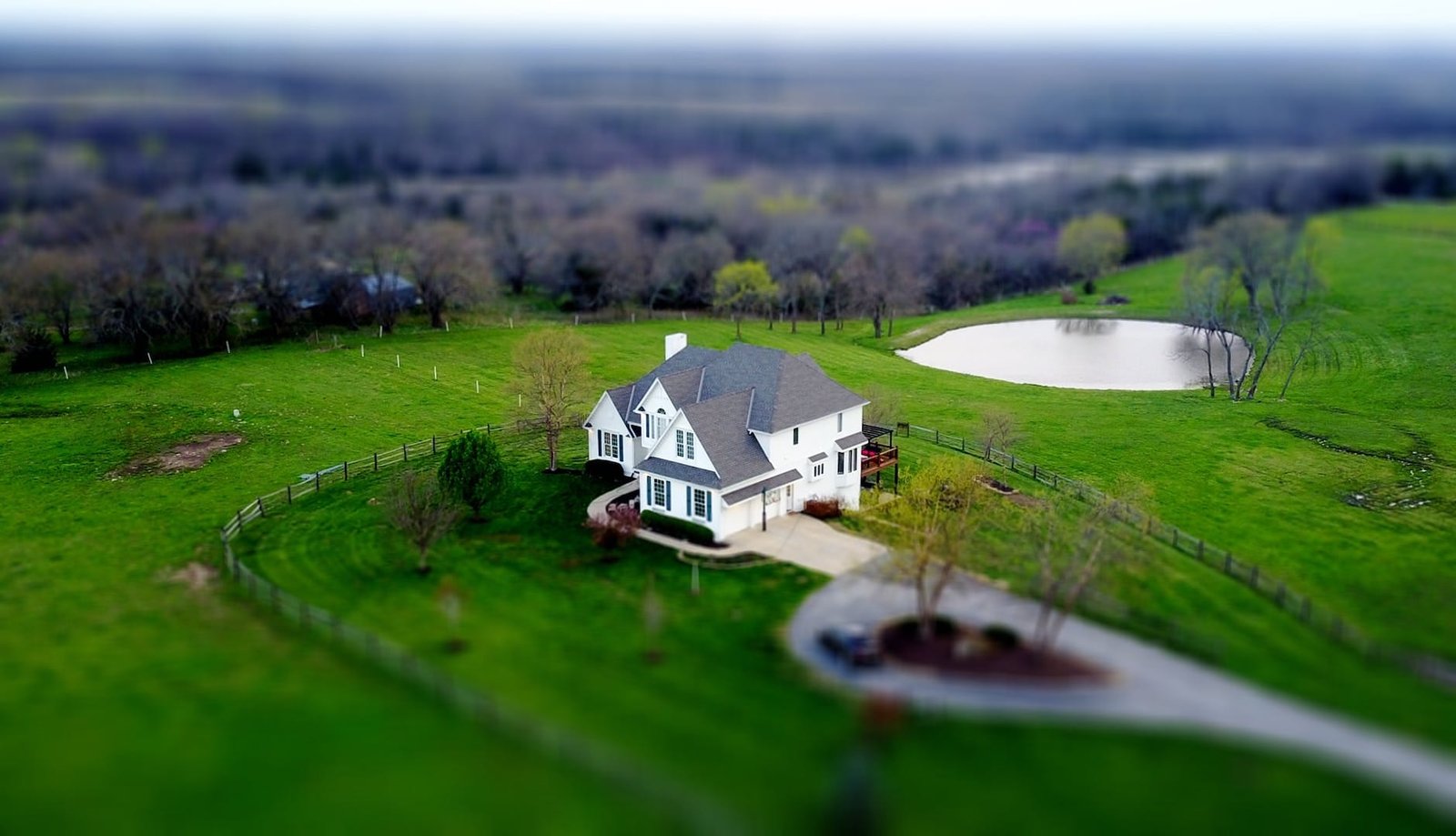
    Buying a house with land is an exciting opportunity, whether you’re dreaming of a spacious backyard, a place to grow your own food, or simply room to breathe. However, it’s also a significant investment that requires careful thought and planning. From the location and size of the land to zoning regulations and future development, there are many factors to consider before making a purchase. In this blog post, we’ll walk you through the key things to keep in mind when buying a house with land to help you make an informed decision.


    Location and Accessibility

    The old saying “location, location, location” holds true when buying a house with land. Think about how close the property is to essential amenities like schools, hospitals, grocery stores, and workplaces. If you’re commuting, consider the accessibility of major roads, highways, and public transportation. A convenient location not only makes daily life easier but can also boost the property’s long-term value.


    Size and Topography of the Land

    The size and layout of the land are just as important as the house itself. Ask yourself:

    • How much land do you need?
    • What do you plan to use it for? (e.g., gardening, farming, building additional structures, or simply enjoying open space).

    Also, pay attention to the land’s topography. Is it flat, sloped, or uneven? Steep slopes or rocky terrain might limit what you can do with the property, while flat, fertile land could be ideal for gardening or farming. Don’t forget to check the soil quality if you’re planning to grow anything.


    Zoning and Permits

    Before you fall in love with a property, make sure you understand the local zoning laws and regulations. Zoning determines how the land can be used—whether it’s for residential, agricultural, commercial, or mixed purposes. If you’re planning to build additional structures, like a barn or a guesthouse, check if the property allows it and what permits you’ll need. Ignoring zoning rules can lead to costly legal issues down the road.


    Utilities and Infrastructure

    Access to basic utilities is a must. Ensure the property has reliable connections to water, electricity, and sewage systems. If you’re looking at rural properties, you might need to dig a well or install a septic system, which can add to your costs. Also, check for high-speed internet and cell service, especially if you work from home or rely on connectivity for daily life.


    Environmental Factors

    Take a close look at the environmental conditions of the property. Is the area prone to flooding, wildfires, or landslides? Are there any nearby pollution sources, like factories or landfills? Research the local climate and weather patterns to ensure they align with your lifestyle. For example, if you’re not a fan of extreme heat or heavy rainfall, make sure the area’s climate suits you.


    Future Development and Expansion

    Think about the future of the area surrounding your property. Are there plans for new roads, schools, or commercial developments nearby? While growth can increase property values, it might also bring noise, traffic, or changes to the neighborhood’s character. On the flip side, if you’re looking for peace and quiet, make sure the area isn’t slated for major development.


    Legal and Financial Considerations

    Buying a house with land involves more than just signing a check. Work with a real estate attorney to review the property’s title and ensure there are no liens, easements, or ownership disputes. On the financial side, get pre-approved for a mortgage and understand your budget. Don’t forget to factor in additional costs like property taxes, insurance, and maintenance.


    Home Inspection and Condition

    A thorough home inspection is non-negotiable. Hire a qualified inspector to check the house’s structural integrity, electrical systems, plumbing, and overall safety. If the property has outbuildings, like a barn or shed, have those inspected too. The inspection report will help you identify any repairs or maintenance needs and give you leverage in price negotiations.


    Neighborhood and Community

    The neighborhood and community can make or break your living experience. Spend time exploring the area, talking to neighbors, and getting a feel for the community’s vibe. Consider factors like safety, noise levels, and proximity to parks or recreational facilities. If you have kids or plan to start a family, research the quality of local schools.


    Market Value and Appreciation

    Understanding the property’s market value and potential for appreciation is key to making a smart investment. Research recent sales of similar properties in the area and consult with a real estate agent or appraiser to gauge the property’s long-term value. While real estate can be a great investment, market conditions can fluctuate, so it’s important to have realistic expectations.


    Financing Options and Affordability

    Buying a house with land often comes with a higher price tag, so it’s important to explore your financing options. Compare mortgage rates and terms from different lenders to find the best deal. Calculate your budget carefully, factoring in not just the mortgage but also property taxes, insurance, and ongoing maintenance costs. Make sure the property is truly affordable for your financial situation.


    Professional Guidance

    Navigating the process of buying a house with land can be complex, so don’t hesitate to seek professional help. A knowledgeable real estate agent can guide you through the process, help you find the right property, and negotiate on your behalf. You may also want to consult with a real estate attorney, financial advisor, or tax specialist to ensure all legal and financial aspects are covered.


    Final Thoughts

    Buying a house with land is a big decision, but with careful planning and research, it can be a rewarding investment. By considering factors like location, land size, zoning, utilities, environmental conditions, and future development, you can find a property that meets your needs and aligns with your long-term goals. Don’t forget to lean on professionals for guidance and support throughout the process.

    Whether you’re looking for a quiet retreat, a place to grow your own food, or simply more space to call your own, buying a house with land can open up a world of possibilities. Take your time, do your homework, and make a decision that you’ll be happy with for years to come. Happy house (and land) hunting!

  • The Pros and Cons of Owning a House with Land

    The Pros and Cons of Owning a House with Land

    Introduction

    In the realm of real estate, owning a house with land offers unique advantages and disadvantages. The decision to invest in a property with ample land requires careful consideration of various factors. In this article, we will delve into the pros and cons of owning a house with land, providing you with valuable insights to aid in your decision-making process.

    Pros of Owning a House with Land

    1. Privacy and Space

    One of the primary advantages of owning a house with land is the increased privacy and space it provides. Unlike living in a densely populated urban area, where neighboring properties may be close by, a house with land offers a sense of seclusion. You have the freedom to create a tranquil oasis, enjoy outdoor activities, and host gatherings without being constrained by limited space.

    2. Potential for Expansion and Customization

    When you own land, you have the potential for future expansion and customization. This can be particularly appealing if you have long-term plans or envision additional construction projects such as building an outdoor pool, a garden shed, or even expanding the main structure. With adequate land, you can bring your ideas to life and adapt the property to suit your changing needs.

    3. Investment and Appreciation

    Land is often considered a valuable investment. While housing markets may fluctuate, land generally appreciates over time, especially in desirable locations. By owning a house with land, you not only have a place to call home but also a tangible asset that can appreciate in value, potentially providing a favorable return on investment should you decide to sell in the future.

    4. Gardening and Agriculture Opportunities

    Having land offers exciting opportunities for gardening and agriculture. If you have a green thumb or aspire to grow your own food, owning a house with land allows you to establish a garden or even a small-scale farm. You can enjoy the benefits of organic produce, embrace sustainability, and experience the satisfaction of nurturing plants or raising animals.

    5. Flexibility and Freedom

    Owning a house with land provides a sense of freedom and flexibility. You have the autonomy to make decisions regarding the property without the restrictions imposed by homeowners’ associations or neighbors in close proximity. Whether you want to host outdoor events, install recreational amenities, or simply enjoy the tranquility of your surroundings, owning land offers the freedom to live life on your terms.

    Cons of Owning a House with Land

    1. Increased Maintenance and Upkeep

    With the advantages of land ownership come increased responsibilities for maintenance and upkeep. Larger properties require more time, effort, and resources to maintain compared to smaller, urban dwellings. The landscaping, gardening, and general maintenance tasks may demand additional attention and expenses. It’s essential to consider whether you have the means and willingness to handle these extra responsibilities.

    2. Higher Costs

    Owning a house with land often comes with higher costs, both initially and in the long run. The initial purchase price of a property with land tends to be higher than that of a comparable home without land. Additionally, ongoing expenses such as property taxes, utility bills, and insurance may be greater due to the larger size of the property. It’s crucial to assess your financial capabilities and ensure that owning a house with land fits within your budget.

    3. Distance and Commute

    Depending on the location of the property, owning a house with land may mean living further away from urban centers or essential amenities. If you value the convenience of living in close proximity to schools, workplaces, or shopping centers, the distance and commute associated with owning land may be a significant drawback. Consider your lifestyle preferences and the practicality of commuting before deciding on a property with land.

    4. Potential for Zoning and Development Restrictions

    When purchasing a house with land, it’s crucial to be aware of any zoning regulations and potential development restrictions that may apply. Certain areas have specific zoning laws that dictate land use, such as residential, commercial, or agricultural purposes. Understanding these restrictions is important, as they may limit your options for future development or use of the land. Conduct thorough research and consult with local authorities to ensure your plans align with the zoning regulations in place.

    5. Time and Effort for Land Management

    Owning a house with land requires dedicated time and effort for land management. Depending on the size and terrain of the property, tasks such as mowing, landscaping, and pest control can be more demanding compared to maintaining a smaller yard. Additionally, if you decide to engage in gardening or agriculture, it involves regular care, including planting, watering, and harvesting. Consider whether you have the resources and commitment to manage the land effectively.

    6. Potential Environmental Challenges

    Properties with land may face unique environmental challenges that need to be taken into account. For instance, if the land is located in an area prone to natural disasters like floods or wildfires, it may pose risks to the property and its occupants. Conduct a thorough assessment of the potential environmental challenges specific to the location and consider appropriate precautions or mitigation measures.

    7. Limited Accessibility to Amenities

    In some cases, owning a house with land may mean limited accessibility to amenities and services. If the property is located in a rural area, it might be farther away from hospitals, schools, shopping centers, or recreational facilities. This can result in longer travel times and limited convenience for daily activities. Assess your lifestyle preferences and consider the trade-offs between the benefits of land ownership and accessibility to essential amenities.

    Conclusion

    Owning a house with land offers a range of advantages and disadvantages that must be carefully evaluated. The increased privacy, potential for expansion, investment opportunities, and gardening prospects are enticing benefits. However, it’s essential to consider the higher costs, increased maintenance, potential restrictions, and limited accessibility associated with land ownership. By weighing these pros and cons, you can make an informed decision that aligns with your lifestyle, financial capacity, and long-term goals.

    Remember, each individual’s preferences and circumstances differ, so what works for one person may not work for another. Take the time to thoroughly assess your needs and priorities before committing to a property with land. With proper planning, research, and consideration, you can make a sound investment and create a fulfilling living environment that aligns with your vision.

    So, whether you’re seeking privacy, envisioning future expansions, or aspiring to embrace a greener lifestyle, owning a house with land can provide you with unique opportunities to create a space that truly feels like home.

  • How to Find a House with Land in Your Budget

    How to Find a House with Land in Your Budget

    Introduction

    Finding a house with land in your budget can be a challenging task. As a potential homeowner, you want to find the perfect property that not only fits your financial constraints but also meets your desire for space and tranquility. In this comprehensive guide, we will explore effective strategies and tips to help you navigate the real estate market successfully. By following these guidelines, you can increase your chances of finding a house with land that aligns with your budgetary requirements.

    Understanding Your Budget

    Assessing Your Finances

    Before embarking on your house hunting journey, it is crucial to assess your finances and determine your budget. Begin by calculating your monthly income and expenses. Consider your savings, investments, and any potential sources of additional funds that could contribute to your house purchase. Understanding your financial standing will provide a clear picture of what you can comfortably afford.

    Setting Realistic Expectations

    While it’s natural to dream big, it’s important to set realistic expectations when it comes to finding a house with land within your budget. Take into account the current real estate market trends, location, property size, and amenities. By aligning your expectations with your budget, you can focus on viable options that meet your needs without compromising your financial stability.

    Researching the Real Estate Market

    Identifying Target Areas

    Conduct thorough research to identify target areas that meet your criteria for a house with land. Consider factors such as proximity to schools, workplaces, amenities, and the overall community vibe. Each neighborhood may have different price ranges, so it’s essential to prioritize areas that fit within your budget.

    Engaging Real Estate Professionals

    Working with experienced real estate professionals can greatly simplify your search for a house with land. Find a reputable agent who specializes in the desired areas and clearly communicates your budgetary constraints. They will leverage their knowledge and resources to present you with suitable options and negotiate on your behalf.

    Exploring Financing Options

    Mortgage Pre-Approval

    Before initiating the house hunting process, obtaining a mortgage pre-approval can be advantageous. This step involves consulting with a lender who will assess your financial situation and determine the loan amount you qualify for. With a pre-approval in hand, you’ll have a better understanding of your purchasing power and can confidently approach sellers.

    Government Programs and Incentives

    Research government programs and incentives available for homebuyers, especially those looking for houses with land. These programs may offer financial assistance, tax credits, or favorable loan terms, making your dream of owning a house with land more attainable. Contact local housing authorities or consult with your real estate agent to explore these options.

    Searching for Suitable Properties

    Online Listings and Websites

    Harness the power of online resources to search for properties that fit your criteria. Utilize reputable real estate websites and online listing platforms that allow you to filter your search based on price, location, and property type. Regularly monitor these platforms for new listings and set up email alerts to stay updated.

    Attending Open Houses and Property Tours

    Attending open houses and property tours gives you an opportunity to physically explore potential houses with land. Take note of the property’s condition, the size and usability of the land, and any maintenance or renovation requirements. This firsthand experience will help you make informed decisions and narrow down your options.

    Negotiating and Closing the Deal

    Making an Offer

    Once you have identified a property that meets your budget and requirements, it’s time to make an offer. Consult with your real estate agent to determine a fair and competitive price. Consider factors such as market conditions, property condition, and comparable sales in the area. Your agent will present your offer to the seller and negotiate on your behalf.

    Conducting Inspections and Due Diligence

    Before finalizing the purchase, it’s crucial to conduct inspections and perform due diligence on the property. This step ensures that there are no hidden issues or surprises that could potentially impact your budget and overall satisfaction with the house and land.

    Home Inspection

    Hire a professional home inspector to thoroughly assess the property’s structural integrity, electrical systems, plumbing, and overall condition. The inspector will provide a detailed report outlining any existing or potential issues. This information will help you make an informed decision and negotiate repairs or price adjustments if necessary.

    Land Survey

    If the property includes a substantial amount of land, consider hiring a land surveyor. A land survey will provide accurate measurements, identify boundaries, and highlight any encroachments or easements. Understanding the exact dimensions and features of the land ensures you are aware of its potential uses and limitations.

    Researching Zoning and Regulations

    Before purchasing a property with land, research the local zoning regulations and restrictions. These regulations govern land use, building codes, and potential limitations on future development. Ensure that the property aligns with your intended use and long-term plans to avoid any surprises down the line.

    Maximizing Your Budget

    Consider Fixer-Uppers

    If you have a limited budget, exploring fixer-uppers or properties in need of renovations can be a viable option. These properties are often priced lower than move-in ready homes, allowing you to allocate more of your budget towards purchasing a larger plot of land. However, be sure to assess the renovation costs and factor them into your overall budget.

    Flexibility in Location

    Expanding your search to nearby or up-and-coming areas can sometimes yield more affordable options. While location is an important factor, consider areas that may be undergoing revitalization or have potential for future growth. Keep an open mind and evaluate the overall value of the property, including the potential appreciation of the land over time.

    Financing Considerations

    When searching for a house with land, explore various financing options that can help you maximize your budget. For example, an adjustable-rate mortgage (ARM) may offer lower initial interest rates, allowing you to allocate more funds towards the land purchase. Consult with your lender to understand the different loan programs available and their potential benefits.

    Conclusion

    Finding a house with land in your budget requires careful planning, thorough research, and effective negotiation. By assessing your finances, setting realistic expectations, and exploring the real estate market, you can increase your chances of finding the perfect property. Engaging professionals, conducting due diligence, and maximizing your budget through strategic decisions will ultimately lead you to a house with land that meets both your financial constraints and personal preferences.

    Remember, the journey to finding your dream house with land may take time, but with persistence and the right approach, you can make it a reality. Begin your search today, and soon enough, you’ll be enjoying the benefits of owning a property that perfectly fits your needs and budget.

  • How to Find Land Deals in Tampa Bay

    How to Find Land Deals in Tampa Bay

    Introduction

    Welcome to your ultimate guide to finding great land deals in Tampa Bay. If you’re looking to invest in real estate or build your dream home in this vibrant region of Florida, you’ve come to the right place. In this comprehensive guide, we will walk you through the steps to identify and secure the best land deals in Tampa Bay. By following our expert advice and leveraging the power of research, negotiation, and market insights, you’ll be well-equipped to make informed decisions and maximize your investment potential.

    Understanding the Tampa Bay Real Estate Market

    Before diving into the process of finding land deals, it’s crucial to have a solid understanding of the Tampa Bay real estate market. Tampa Bay is a thriving metropolitan area located on the west coast of Florida, encompassing cities such as Tampa, St. Petersburg, and Clearwater. With its warm climate, stunning beaches, diverse cultural scene, and robust economy, Tampa Bay has become an attractive destination for both residents and investors alike.

    Researching Land Opportunities

    To find the best land deals in Tampa Bay, thorough research is key. Start by identifying the areas or neighborhoods that align with your investment goals and preferences. Consider factors such as proximity to amenities, transportation links, schools, and potential for future development. Utilize online resources, real estate websites, and local market reports to gather valuable data on land availability, recent sales, and price trends.

    Engaging with Local Real Estate Professionals

    Working with experienced real estate professionals in Tampa Bay can greatly enhance your chances of finding lucrative land deals. Connect with local real estate agents, brokers, and land specialists who have in-depth knowledge of the market. These professionals can provide valuable insights, access to exclusive listings, and assistance throughout the negotiation and due diligence processes.

    Networking and Building Relationships

    Networking plays a crucial role in the real estate industry, and Tampa Bay is no exception. Attend local real estate events, join investment groups, and connect with other industry professionals to expand your network. Building relationships with investors, developers, and landowners can open doors to off-market opportunities and insider information on upcoming land deals.

    Exploring Distressed Properties and Foreclosures

    Distressed properties and foreclosures can offer significant savings for savvy land buyers. Keep an eye on foreclosure listings and auctions in Tampa Bay, as these properties are often sold below market value. However, it’s important to conduct thorough due diligence and work with professionals who specialize in distressed property transactions to ensure a smooth and successful purchase process.

    Conducting Site Inspections and Due Diligence

    Once you’ve identified potential land deals, it’s essential to conduct thorough site inspections and due diligence. Visit the properties in person to assess their suitability for your intended use. Engage professionals such as land surveyors, environmental consultants, and zoning experts to evaluate the land’s condition, potential restrictions, and development possibilities. Conducting comprehensive due diligence will help you avoid costly surprises down the line.

    Negotiating and Making Offers

    Effective negotiation skills can significantly impact the outcome of your land deal. Research comparable sales in the area to determine the fair market value of the land and use this information to support your offer. Be prepared to negotiate with sellers and use strategic tactics to secure the best possible price and terms. Consider engaging a qualified real estate attorney to review contracts and assist with negotiations to protect your interests.

    Financing Your Land Purchase

    Securing financing for your land purchase is an important aspect to consider. Explore different financing options available, such as traditional mortgages, land loans, or working with private investors. Research and compare interest rates, terms, and requirements from various lenders to find the most suitable option for your situation.

    Additionally, ensure that you have a clear understanding of the loan terms and repayment obligations before finalizing any financing arrangements. Working with a reputable mortgage broker or financial advisor can provide valuable guidance and help you make informed decisions regarding your land purchase.

    Utilizing Online Platforms and Technology

    In today’s digital age, online platforms and technology can be powerful tools in your search for land deals. Utilize real estate websites, listing platforms, and online marketplaces that specialize in land sales. These platforms often provide advanced search filters, allowing you to narrow down your options based on specific criteria such as location, price range, and land size. Additionally, consider leveraging virtual tours and aerial imagery to gain a better understanding of the land’s layout and surroundings.

    Keeping an Eye on Market Trends

    Staying informed about the latest market trends and developments is crucial when searching for land deals. Monitor local news, real estate publications, and industry reports to stay updated on factors that can influence land prices and demand in Tampa Bay. By understanding market trends, you can make timely and strategic decisions, increasing your chances of finding lucrative opportunities.

    Working with a Real Estate Investment Advisor

    For individuals seeking a more hands-off approach to finding land deals, partnering with a real estate investment advisor can be advantageous. These professionals specialize in identifying profitable investment opportunities and can assist you in finding land deals that align with your investment objectives. A real estate investment advisor can provide personalized guidance, market analysis, and access to exclusive opportunities, giving you a competitive edge in the market.

    Understanding Zoning and Development Regulations

    Before finalizing a land purchase, it is vital to understand the zoning and development regulations in Tampa Bay. Each property is subject to specific zoning ordinances, which dictate how the land can be used and what type of structures can be built on it. Familiarize yourself with the zoning codes and consult with local authorities or zoning experts to ensure your intended use of the land aligns with the regulations in place.

    Conclusion

    Finding great deals on land in Tampa Bay requires a combination of research, networking, due diligence, and negotiation skills. By following the strategies outlined in this guide and leveraging the resources available, you can increase your chances of finding lucrative opportunities and securing the best possible land deals. Remember to stay informed about market trends, work with experienced professionals, and conduct thorough due diligence to make well-informed decisions. Whether you’re an investor looking for a profitable opportunity or an individual seeking to build your dream home, Tampa Bay offers a wealth of land options waiting to be discovered.

  • The Things That Make Land O’ Lakes a Great Place to Live

    The Things That Make Land O’ Lakes a Great Place to Live

    Are you looking for a place to settle down and call home? Look no further than Land O’ Lakes, a picturesque community located in Pasco County, Florida. From its beautiful parks to its top-notch schools, there are plenty of reasons why Land O’ Lakes is a great place to live. In this article, we’ll take a closer look at what makes this community so special.

    Why Land O’ Lakes is a Great Place to Live

    If you’re thinking about relocating to Florida, you might be wondering what sets Land O’ Lakes apart from other communities. Here are just a few of the things that make this town such a great place to live:

    • Excellent Schools

    One of the biggest draws to Land O’ Lakes is its exceptional school system. The town is home to several highly-rated schools, including Land O’ Lakes High School, Pine View Middle School, and Lake Myrtle Elementary School. These schools offer a rigorous curriculum and a range of extracurricular activities, making them a great choice for families with children of all ages.

    • Beautiful Parks

    Another reason to love Land O’ Lakes is its abundance of beautiful parks. The town boasts several parks, including the Land O’ Lakes Community Park, which features sports fields, a playground, and a skate park. Other notable parks include the Lake Padgett Estates Preserve and the Crews Lake Wilderness Park, which offer hiking trails, picnic areas, and wildlife viewing opportunities.

    • Affordable Cost of Living

    Compared to other communities in Florida, Land O’ Lakes offers an affordable cost of living. Housing costs are reasonable, and residents enjoy a low property tax rate. Additionally, the town has a thriving job market, with plenty of opportunities for employment in fields like healthcare, education, and retail.

    • Friendly Community

    If you’re looking for a tight-knit community where everyone knows their neighbors, Land O’ Lakes is the place to be. Residents here are friendly and welcoming, and there are plenty of community events and festivals throughout the year to help you get to know your neighbors.

    • Convenient Location

    Land O’ Lakes is conveniently located just a short drive from Tampa, making it easy to enjoy all that the city has to offer. However, the town itself offers plenty of amenities, including shopping, dining, and entertainment options, so you won’t have to leave town to find what you’re looking for.

    • Outdoor Recreation

    If you love spending time outdoors, Land O’ Lakes is the perfect place for you. The town is home to several beautiful lakes, including Lake Padgett and Bell Lake, which offer boating, fishing, and swimming opportunities. Additionally, the nearby Gulf of Mexico provides opportunities for deep-sea fishing, boating, and other water sports.

    Conclusion

    As you can see, there are many reasons why Land O’ Lakes is a great place to live. If you’re looking for a safe, affordable, and family-friendly community, then Land O’ Lakes is the perfect place for you.

    Our Most Asked Questions:

    What are the top reasons people move to Land O’ Lakes?

    There are many reasons why people move to Land O’ Lakes, Florida. Some of the top reasons include:

    • The affordable cost of living.
    • The excellent schools.
    • The safe and friendly community.
    • The abundance of outdoor activities.
    • The convenient location near Tampa and St. Petersburg.

    What are some of the best things to do in Land O’ Lakes?

    There are many things to do in Land O’ Lakes, Florida. Some of the best things to do include:

    • Visit the Land O’ Lakes Heritage Park.
    • Go for a hike at the Crews Lake Wilderness Park.
    • Take a boat ride on Lake Padgett.
    • Play a round of golf at one of the many golf courses in the area.
    • Visit the Sunlake Theatre.
    • Attend a festival or event at the Land O’ Lakes Event Center.
    • Shop at the many stores and restaurants in the area.

    What is the crime rate in Land O’ Lakes?

    The crime rate in Land O’ Lakes is very low. In fact, it is one of the safest communities in Florida. The violent crime rate is less than half the national average, and the property crime rate is even lower.

    What is the real estate market like in Land O’ Lakes?

    The real estate market in Land O’ Lakes is very strong. The median home price is about $250,000, and homes are selling quickly. There is a limited supply of homes on the market, so buyers should act quickly if they find a home they want.

    What are the schools like in Land O’ Lakes?

    The schools in Land O’ Lakes are some of the best in Florida. The public schools are consistently ranked among the top in the state, and there are also several private schools in the area.

    What is the weather like in Land O’ Lakes?

    The weather in Land O’ Lakes is warm and sunny year-round. The average temperature in the winter is 70 degrees Fahrenheit, and the average temperature in the summer is 90 degrees Fahrenheit. There is very little rain in Land O’ Lakes, so you can enjoy the outdoors year-round.

    Is Land O’ Lakes a good place to raise a family?

    Land O’ Lakes is a great place to raise a family. The schools are excellent, the community is safe and friendly, and there are many activities and events for families to enjoy.

    Is Land O’ Lakes a good place to retire?

    Land O’ Lakes is a great place to retire. The cost of living is affordable, the weather is warm and sunny year-round, and there are many activities and events for retirees to enjoy.

    What are some of the challenges of living in Land O’ Lakes?

    There are a few challenges of living in Land O’ Lakes, Florida. One challenge is the heat and humidity in the summer. Another challenge is the traffic, especially during rush hour. Finally, Land O’ Lakes is a growing community, so there is some development pressure on the environment.

    Overall, Land O’ Lakes is a great place to live. It is a safe, affordable, and family-friendly community with a lot to offer. If you are looking for a place to call home, Land O’ Lakes is worth considering.

  • For Sale By Owner (FSBO) Pros and Cons

    For Sale By Owner (FSBO) Pros and Cons

    Selling a home is a big decision, and there are many factors to consider. One option is to sell your home yourself, also known as for sale by owner (FSBO). There are both pros and cons to FSBO, so it’s important to weigh them carefully before making a decision.

    Pros of FSBO

    • Save money on commission fees. One of the biggest advantages of FSBO is that you can save money on commission fees. Real estate agents typically charge 5-6% of the sale price, so you could save thousands of dollars by selling your home yourself.
    • Have more control over the selling process. When you sell your home yourself, you have more control over the entire process. You can set your own price, choose your own marketing strategy, and negotiate directly with buyers. This can be a great advantage if you’re a detail-oriented person who likes to be in control.
    • Add a personal touch. When you sell your home yourself, you can add a personal touch to the process. You can showcase your home’s unique features and highlight what makes it special. This can help you attract buyers who are specifically interested in your home.

    Cons of FSBO

    • Time-consuming and challenging. Selling a home is a time-consuming and challenging process, even if you have the help of a real estate agent. When you sell your home yourself, you’ll be responsible for everything from pricing your home to negotiating with buyers. This can be a lot of work, especially if you have other responsibilities, such as a full-time job.
    • Lack of marketing exposure. Real estate agents have access to a large network of buyers and sellers. When you sell your home yourself, you won’t have access to this network, so your home may not get as much exposure. This could result in your home taking longer to sell or selling for a lower price than you anticipated.
    • Legal and financial risks. Selling a home involves legal and financial risks that you’ll need to manage. When you sell your home yourself, you’ll be responsible for understanding and complying with all relevant laws and regulations. You’ll also need to handle all financial transactions and ensure that all paperwork is accurate and complete.

    Alternatives to FSBO

    If you’re not sure whether FSBO is the right option for you, there are a few alternatives to consider.

    • Hire a real estate agent. Real estate agents have extensive knowledge and experience in selling properties. They can provide you with valuable advice and support throughout the process, and they can help you avoid the challenges of FSBO.
    • Use a discount real estate broker. Discount real estate brokers offer some of the benefits of a traditional real estate agent, such as marketing exposure and professional support, at a lower commission fee.
    • Sell your home through a real estate auction. Real estate auctions can be an effective way to sell your home quickly and efficiently, especially if you’re looking for a fast sale.

    Flat Fee MLS

    Flat fee MLS is a service that allows you to list your home on the Multiple Listing Service (MLS) for a flat fee, typically between $200 and $500. This is a great option for FSBO sellers who want to get their home on the MLS but don’t want to pay a full commission to a real estate agent.

    When you use a flat fee MLS service, you’ll still be responsible for most of the work involved in selling your home, such as pricing your home, marketing your home, and negotiating with buyers. However, the flat fee MLS service will take care of listing your home on the MLS, which is an important step in the selling process.

    If you’re considering selling your home, be sure to weigh the pros and cons of FSBO, real estate agents, discount real estate brokers, and flat fee MLS services. The best option for you will depend on your individual circumstances and preferences.

  • The Best Neighborhoods in Lutz for Retirees

    The Best Neighborhoods in Lutz for Retirees

    As you approach retirement age, one of the most important decisions you have to make is where to live. The neighborhood you choose can greatly influence your quality of life, so it’s important to choose wisely. Lutz, a suburb located just north of Tampa, Florida, is a popular destination for retirees. With its warm climate, beautiful scenery, and vibrant community, Lutz has a lot to offer retirees. In this article, we’ll take a closer look at the best neighborhoods in Lutz for retirees, based on factors such as affordability, safety, and amenities.

    Avila

    Avila is a gated community located in the heart of Lutz. It’s known for its luxury homes, beautiful scenery, and excellent golf course. Avila is a great option for retirees who want a quiet, upscale community with plenty of amenities. Homes in Avila can be expensive, but the community’s amenities and prime location make it a great choice for those who can afford it.

    Cheval

    Cheval is another gated community located in Lutz. It’s known for its excellent golf course, beautiful homes, and friendly community. Cheval is a great option for retirees who want a safe, quiet community with plenty of amenities. Homes in Cheval can be expensive, but the community’s amenities and prime location make it a great choice for those who can afford it.

    Heritage Harbor

    Heritage Harbor is a community located on the shores of Lake Tarpon in Lutz. It’s known for its waterfront properties, boating opportunities, and excellent amenities. Heritage Harbor is a great option for retirees who enjoy outdoor activities, such as fishing and boating. The community also has a clubhouse, fitness center, and pool, making it a great place to stay active and social.

    VillaRosa

    VillaRosa is a gated community located in Lutz. It’s known for its beautiful homes, excellent schools, and convenient location. VillaRosa is a great option for retirees who want a quiet, family-friendly community with easy access to amenities. The community is located near shopping centers, restaurants, and parks, making it a great place to stay active and engaged.

    Lakeshore Estates

    Lakeshore Estates is a community located on the shores of Lake Magdalene in Lutz. It’s known for its beautiful waterfront properties, excellent fishing opportunities, and friendly community. Lakeshore Estates is a great option for retirees who enjoy water-based activities, such as fishing and boating. The community also has a clubhouse, pool, and tennis courts, making it a great place to stay active and social.

    Oak Grove

    Oak Grove is a community located in the heart of Lutz. It’s known for its beautiful homes, quiet streets, and excellent schools. Oak Grove is a great option for retirees who want a peaceful, family-friendly community with easy access to amenities. The community is located near shopping centers, restaurants, and parks, making it a great place to stay active and engaged.

    Deer Park Preserve

    Deer Park Preserve is a community located in the countryside of Lutz. It’s known for its large lots, natural beauty, and peaceful atmosphere. Deer Park Preserve is a great option for retirees who want a quiet, secluded community with plenty of space and privacy. The community is surrounded by nature preserves, making it a great place to enjoy wildlife and outdoor activities.

    Cypress Park

    Cypress Park is a community located in the heart of Lutz. It’s known for its beautiful homes, quiet streets, and convenient location. Cypress Park is a great option for retirees who want a peaceful, family-friendly community with easy access to amenities. The community is located near shopping centers, restaurants, and parks, making it a great place to stay active and engaged.

    Pine Crest Estates

    Pine Crest Estates is a community located in the countryside of Lutz. It’s known for its large lots, natural beauty, and peaceful atmosphere. Pine Crest Estates is a great option for retirees who want a quiet, secluded community with plenty of space and privacy. The community is surrounded by nature preserves, making it a great place to enjoy wildlife and outdoor activities.

    Orange Blossom Creek

    Orange Blossom Creek is a community located in Lutz. It’s known for its beautiful homes, quiet streets, and convenient location. Orange Blossom Creek is a great option for retirees who want a peaceful, family-friendly community with easy access to amenities. The community is located near shopping centers, restaurants, and parks, making it a great place to stay active and engaged.

    What Makes These Neighborhoods Ideal for Retirees?

    Affordability

    All of the neighborhoods listed above offer a range of home prices, making them accessible to retirees on different budgets. While some neighborhoods, such as Avila and Cheval, may be more expensive, others, such as Pine Crest Estates and Deer Park Preserve, offer more affordable options.

    Safety

    All of the neighborhoods listed above are known for their safety and low crime rates. Gated communities such as Avila and Cheval offer an extra layer of security, while neighborhoods such as Lakeshore Estates and Orange Blossom Creek have a strong sense of community and neighborhood watch programs.

    Amenities

    Many of the neighborhoods listed above offer amenities such as clubhouse, fitness center, pool, tennis courts, and walking trails. These amenities are a great way for retirees to stay active, socialize, and enjoy their retirement.

    Location

    Lutz is a great location for retirees as it offers easy access to both Tampa and the Gulf of Mexico. Retirees can enjoy the cultural amenities of Tampa, such as museums, theaters, and restaurants, while also enjoying the beaches, boating, and fishing of the Gulf of Mexico.

    Climate

    Lutz enjoys a subtropical climate, with mild winters and warm summers. This climate is ideal for retirees who want to enjoy outdoor activities year-round.

    Conclusion

    In conclusion, Lutz offers a variety of neighborhoods that are ideal for retirees. These neighborhoods offer a range of home prices, safety, amenities, location, and climate. Whether retirees are looking for waterfront properties, quiet streets, or a strong sense of community, there is a neighborhood in Lutz that will meet their needs.

    FAQs

    1. Is Lutz a good place for retirees?

    Yes, Lutz is a great place for retirees due to its affordability, safety, amenities, location, and climate.

    1. What are some of the best neighborhoods in Lutz for retirees?

    Some of the best neighborhoods in Lutz for retirees include Heritage Harbor, VillaRosa, Lakeshore Estates, and Oak Grove.

    1. What types of amenities do these neighborhoods offer?

    These neighborhoods offer amenities such as clubhouse, fitness center, pool, tennis courts, and walking trails.

    1. What is the climate like in Lutz?

    Lutz enjoys a subtropical climate, with mild winters and warm summers.

    1. Can retirees enjoy outdoor activities year-round in Lutz?

    Yes, retirees can enjoy outdoor activities year-round in Lutz due to its ideal climate.

  • Tampa Bay Housing Market Soars in 2023

    Tampa Bay Housing Market Soars in 2023

    The Tampa Bay housing market is one of the hottest in the country, with median home prices rising by 9% in March 2023. There are a number of factors driving this growth, including the area’s strong economy, affordability, and growing population.

    A Strong Economy

    Tampa Bay is home to a number of major companies, including Jabil Circuit, Raymond James Financial, and TECO Energy. The area’s unemployment rate is below the national average, and wages are rising. This strong economy is attracting new residents to the area, which is driving up demand for housing. The area’s strong economy is also attracting new businesses to the area, which is creating more jobs and driving up demand for housing.

    Affordability

    The median home price in Tampa Bay is still below the national median home price of $375,000. This affordability is another factor driving the growth in the housing market. The area’s cost of living is also below the national average, making it a more attractive option for homebuyers.

    A Growing Population

    The Tampa Bay area is one of the fastest-growing metropolitan areas in the country. In the past decade, the area’s population has grown by more than 10%. This growth is putting a strain on the housing market, driving up prices and making it more difficult to find a home.

    Data Points

    • Median home price: $409,000 (Tampa Bay) vs. $375,000 (national average)
    • Median sale price per square foot: $264 (Tampa Bay) vs. $226 (national average)
    • Unemployment rate: 3.1% (Tampa Bay) vs. 3.9% (national average)
    • Median household income: $64,000 (Tampa Bay) vs. $67,521 (national average)
    • Cost of living: 95.2 (Tampa Bay) vs. 100 (national average)

    What Does This Mean for Homebuyers?

    If you’re thinking about buying a home in Tampa Bay, be prepared to act quickly. The market is hot, and homes are selling quickly. You’ll need to be prepared to make an offer as soon as you find a home that you like.

    Here are some tips for homebuyers in Tampa Bay:

    • Get pre-approved for a mortgage before you start looking at homes. This will show sellers that you’re serious about buying and that you’re able to afford the home you want.
    • Be prepared to make an offer as soon as you find a home that you like. Homes in Tampa Bay are selling quickly, so you don’t want to miss out on your dream home.
    • Be prepared to pay above the asking price. In a hot market like Tampa Bay, it’s not uncommon for homes to sell for above the asking price.
    • Be prepared to be flexible with your timeline. If you’re not able to find a home right away, be prepared to wait a little longer. The market in Tampa Bay is expected to remain hot for the foreseeable future.

    Conclusion

    If you’re looking for a hot housing market with a lot of potential, Tampa Bay is a great option. The area has a strong economy, affordability, and growing population, all of which are contributing to the growth of the housing market.

    Here are some additional factors that could affect the Tampa Bay housing market in the future:

    • Interest rates: Rising interest rates could make it more expensive to buy a home, which could slow down the housing market.
    • Inflation: Rising inflation could make it more difficult for people to afford a home, which could also slow down the housing market.
    • Supply chain disruptions: Supply chain disruptions could make it more difficult to build new homes, which could also slow down the housing market.

    Overall, the Tampa Bay housing market is expected to remain hot in the foreseeable future. However, there are a number of factors that could affect the market in the future.

  • Pros and Cons of Living in Tampa, Florida

    Pros and Cons of Living in Tampa, Florida

    Tampa, Florida is a city that has something to offer everyone. With its beautiful beaches, warm weather, and diverse culture, it’s no wonder that Tampa is a popular destination for both retirees and young professionals alike. However, like any city, Tampa has its pros and cons. Here is a closer look at both the advantages and disadvantages of living in Tampa:

    Pros of Living in Tampa

    • Beautiful Weather: Tampa is known for its warm weather, with an average temperature of 72 degrees Fahrenheit. This means that you can enjoy outdoor activities year-round, such as swimming, boating, and fishing.
    • Beaches: Tampa is home to some of the most beautiful beaches in the world, including Clearwater Beach and St. Pete Beach. These beaches offer crystal-clear water, soft sand, and stunning sunsets.
    • Cultural Diversity: Tampa is a melting pot of cultures, with a diverse population that includes Hispanic, African American, and Asian communities. This diversity is reflected in the city’s food, music, and festivals, making Tampa a vibrant and exciting place to live.
    • Affordable Cost of Living: Compared to other major cities in Florida, Tampa has a relatively low cost of living. Housing is affordable, and there are plenty of options for dining and entertainment that won’t break the bank.
    • Job Opportunities: Tampa is a growing city with a strong economy. There are many job opportunities available in a variety of industries, including healthcare, technology, and finance.

    Cons of Living in Tampa

    • Traffic: Tampa is a car-dependent city, and traffic can be heavy, especially during rush hour. This can make commuting a challenge and can add to your stress levels.
    • Hurricanes: Florida is located in hurricane alley, and Tampa is no exception. The city is at risk of being hit by a hurricane every year. It’s important to be prepared for this possibility by having an emergency plan in place and stocking up on supplies.
    • Humidity: Tampa is a humid city, and the humidity can make it feel much hotter than it actually is. This can be uncomfortable for some people, especially during the summer months.
    • Tourist Crowds: Tampa is a popular tourist destination, and the city can be crowded during peak season. This can make it difficult to find parking, get around, and enjoy some of the city’s top attractions.
    • Bugs: Florida is known for its bugs, and Tampa is no exception. Mosquitoes, cockroaches, and other pests can be a nuisance, especially during the summer months.

    Conclusion

    Overall, Tampa is a great place to live. It has a lot to offer, including beautiful weather, beaches, cultural diversity, and affordable cost of living. However, it’s important to be aware of the city’s downsides, such as traffic, hurricanes, humidity, tourist crowds, and bugs. By considering these factors and weighing the pros and cons, you can make an informed decision about whether Tampa is the right place for you.

    In addition to the pros and cons listed above, here are some other things to consider when deciding whether to move to Tampa:

    • The cost of housing: The cost of housing in Tampa has been rising in recent years, but it is still relatively affordable compared to other major cities in Florida.
    • The job market: The job market in Tampa is strong, with a variety of industries represented. The city is home to several major corporations, including Jabil Circuit, Raymond James Financial, and Tech Data Corporation.
    • The crime rate: The crime rate in Tampa is relatively low, but it is important to be aware of your surroundings and take precautions to protect yourself from crime.
    • The schools: The public schools in Tampa are generally considered to be good, but there are also a number of private schools available.
    • The amenities: Tampa has a variety of amenities, including a professional sports team (the Tampa Bay Buccaneers), a zoo, an aquarium, and a number of museums.

    If you are considering a move to Tampa, I encourage you to do your research and visit the city before making a decision.

  • The Best Neighborhoods in Lutz for Young Professionals

    The Best Neighborhoods in Lutz for Young Professionals

    As a young professional, choosing the right neighborhood to call home is a big decision. You want to find a place that has a good balance of work and play, with plenty of amenities and a sense of community. In Lutz, Florida, there are several neighborhoods that fit the bill. Here are some of the best neighborhoods in Lutz for young professionals:

    Cheval

    Cheval is a gated community that offers a wide range of housing options, from apartments to single-family homes. The community is known for its excellent schools, making it a great option for young professionals with families. There are also plenty of amenities, including a golf course, tennis courts, and a fitness center.

    Recent housing data:

    • Median home price: $350,000
    • Average rent: $1,200
    • Median household income: $100,000

    Heritage Harbor

    Heritage Harbor is a master-planned community that offers resort-style living. The community has a private marina, a clubhouse, and a pool, making it a great option for young professionals who want to relax and unwind after a long day at work. There are also plenty of opportunities for outdoor activities, including hiking, biking, and fishing.

    Recent housing data:

    • Median home price: $450,000
    • Average rent: $1,500
    • Median household income: $120,000

    VillaRosa

    VillaRosa is a luxury community that offers upscale amenities, including a clubhouse, a pool, and a fitness center. The community is known for its beautiful landscaping and scenic views, making it a great option for young professionals who want to live in a peaceful and serene environment.

    Recent housing data:

    • Median home price: $550,000
    • Average rent: $2,000
    • Median household income: $150,000

    Avila

    Avila is a gated community that offers a luxurious lifestyle. The community is known for its large estate homes, as well as its excellent schools and country club amenities. Avila is a great option for young professionals who are looking for a prestigious address and a sense of exclusivity.

    Recent housing data:

    • Median home price: $750,000
    • Average rent: $3,000
    • Median household income: $200,000

    The Lakes at Wellington

    The Lakes at Wellington is a newer community that offers a wide range of housing options, from townhouses to single-family homes. The community is known for its excellent schools and its convenient location, making it a great option for young professionals who want easy access to Tampa and other nearby cities.

    Recent housing data:

    • Median home price: $250,000
    • Average rent: $1,000
    • Median household income: $80,000

    Sunset Park

    Sunset Park is a small, quiet neighborhood located just off of Sunset Lane. It is a great place for young professionals to live because it is close to everything they need, including restaurants, shops, and entertainment. The median home price in Sunset Park is $250,000, and the median rent is $1,000. The crime rate in Sunset Park is low, and the schools are highly rated. There are also many great parks and green spaces in Sunset Park, making it a great place to live for young professionals who enjoy the outdoors.

    These are just a few of the many great neighborhoods in Lutz for young professionals. When choosing a neighborhood, it is important to consider your needs and budget. With so many great options to choose from, you are sure to find the perfect place to call home in Lutz.

    Additional Factors to Consider When Choosing a Neighborhood

    In addition to the above factors, there are a few other things to consider when choosing a neighborhood in Lutz. These include:

    • Commute time: How long is your commute to work or school?
    • Public transportation: Is there public transportation available in the neighborhood?
    • Crime rate: What is the crime rate in the neighborhood?
    • Schools: Are there good schools in the neighborhood?
    • Amenities: What amenities are available in the neighborhood, such as parks, restaurants, and shopping?

    By considering all of these factors, you can be sure to find the perfect neighborhood in Lutz for your needs.