Tag: selling a home

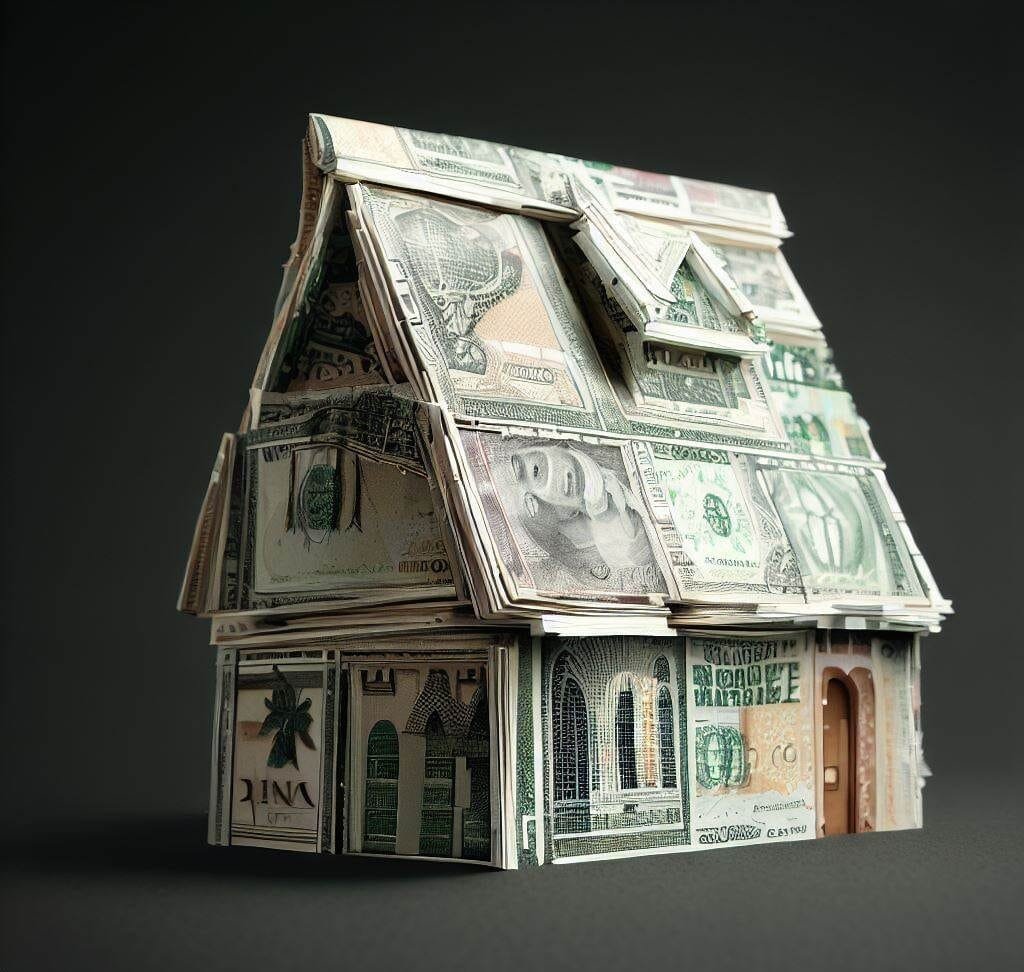
  • The Hidden Costs of Waiting to Sell Your Home

    In the ever-fluctuating real estate market, waiting to sell your home may feel like a safe move, but it could actually cost you—a lot more than you think. If you’re a homeowner sitting on the fence, hoping for better timing, more favorable interest rates, or higher offers, you’re not alone. But what most don’t realize is that time may be working against you. In this comprehensive guide, we’ll uncover the hidden costs of waiting to sell your home, from economic shifts to ongoing ownership expenses, and why now may be your best opportunity to list.


    ⏳ The Financial Risk of Delaying Your Home Sale

    Selling a home isn’t just about timing—it’s about optimizing return and minimizing risk. Here’s why stalling might be the most expensive decision you make.

    📉 Market Conditions Can Flip in a Flash

    The real estate market is notoriously cyclical, and prices are influenced by interest rates, economic data, consumer confidence, and global events. Homeowners who wait too long often miss out on peak windows.

    For example, according to National Association of Realtors (NAR), home prices dropped in 27% of U.S. metro areas in 2024, compared to their peak in mid-2023. Those who sold in Q2 of 2023 may have earned tens of thousands more than those who delayed into 2024.

    Focus keyword: The hidden costs of waiting to sell your home become painfully apparent when property values dip faster than expected.


    📈 Interest Rates Are a Moving Target

    Rising interest rates have a dual impact: they reduce buyer affordability and lower demand, both of which can lead to price cuts.

    Let’s look at the math:

    • A buyer approved for a $500,000 home at 5% may only afford a $430,000 home if rates climb to 7%.
    • Fewer qualified buyers = fewer competitive offers for your home.

    Mortgage rate volatility also impacts your next purchase. If you’re planning to buy after you sell, higher rates can shrink your buying power.

    Delaying? You might get hit on both endsselling low and buying high.


    🌦 Seasonal Slowdowns Can Stall Sales

    Historically, spring and early summer are the hottest times to sell. By contrast, fall and winter tend to slow down significantly.

    A recent Redfin report showed that homes listed between March and May sell 10% faster and for 6% more than those listed in late fall.

    So if you’re waiting until “next year,” you might miss the golden window and enter a colder, quieter market.


    💸 The True Cost of Ownership Adds Up Quickly

    Beyond market fluctuations, owning a home comes with ongoing expenses that quietly eat away at your profits.

    1. Property Taxes

    Every month you wait, you pay hundreds to thousands in property taxes. For a $450,000 home with a 1.25% tax rate, that’s $5,625 per year—or $468.75/month.

    2. Insurance and Utilities

    Home insurance, electricity, water, gas, internet—these essentials can total $300–$600 monthly. And if the home is vacant, you’re paying without benefit.

    3. Maintenance and Repairs

    Even if your house sits untouched, things wear out. HVAC servicing, landscaping, pest control, roof inspections—it’s an endless list.

    According to HomeAdvisor, homeowners spend an average of $3,192 per year on maintenance alone. That’s $266/month that won’t boost your sale price.

    4. Mortgage Interest

    If you’re still paying a mortgage, most of your monthly payment goes toward interest rather than principal. That’s money lost, not invested.

    Add it all up and the hidden costs of waiting to sell your home could be draining $1,000–$2,000 per month from your pocket—money you’ll never recoup.


    📊 The Opportunity Cost: What Else Could You Be Doing With That Money?

    Time is money. By delaying your home sale, you’re tying up funds that could be working harder for you elsewhere.

    Imagine you sell now and net $100,000 in proceeds. If you invest that in a high-yield account at 5%, that’s $5,000/year—passive income you’re missing every day you wait.

    Whether you’re moving up, downsizing, or relocating, the longer your equity stays locked in your current home, the more you miss out on wealth-building opportunities.


    📍 Real Examples: Homes That Sold Faster This Quarter

    In several hot metro areas, homes are selling faster than last year, despite market uncertainty:

    • Austin, TX: Median time on market dropped by 14 days in Q1 2025.
    • Charlotte, NC: Sellers received an average of 3.2 offers per home, up from 2.1 a year ago.
    • Phoenix, AZ: Homes sold 10% faster and for 5% more than Q4 2024.

    These trends suggest that today’s market is still favorable—but it may not last long.


    🏚 Deferred Maintenance Can Lower Sale Price

    Waiting can also lead to home depreciation due to wear and tear. Even small issues—like chipped paint, aging appliances, or roof discoloration—can spook buyers or lead to lower offers.

    Buyers often overestimate repair costs and use them as negotiation leverage. A $1,500 issue in your eyes may be a $10,000 price cut in theirs.

    By selling sooner, you present a fresher, more appealing home, which can fetch a higher price with fewer concessions.


    🔐 Emotional and Logistical Costs of Indecision

    Delaying a home sale isn’t just expensive—it’s mentally and emotionally draining.

    • Constant upkeep
    • Uncertainty around timelines
    • Anxiety over market fluctuations
    • Disruption to future planning

    Plus, holding on to a property longer can complicate tax filings, inheritance planning, and life transitions like retirement, relocation, or family expansion.


    📝 Action Steps: How to Prepare to Sell Now

    Want to avoid the hidden costs of waiting to sell your home? Here’s a quick action plan:

    1. Get a Market Valuation

    Contact a licensed agent or appraiser to understand your home’s true current value.

    2. Run a Cost-of-Waiting Analysis

    Calculate your monthly ownership expenses—taxes, utilities, mortgage interest, maintenance—and compare that to potential gains if you sold now.

    3. Stage and List Strategically

    Invest in professional photography and minimal staging to maximize interest. Leverage peak listing seasons to your advantage.

    4. Choose a Tech-Savvy Agent

    Agents who utilize AI pricing tools, social media marketing, and virtual tours tend to sell faster and for more.

    You can find trusted professionals via Realtor.com, Zillow, or local brokerages with high transaction volume.


    ✅ Conclusion: The Time to Sell is Now

    The hidden costs of waiting to sell your home are real—and they’re growing. Whether it’s the ticking clock of market shifts, the weight of ongoing expenses, or the emotional burden of indecision, delay is almost always more expensive than action.

    Your home is likely one of your biggest assets. Treat it like one. List smart, list soon, and take control of your financial future.


    ❓Frequently Asked Questions

    1. What is the biggest financial risk of waiting to sell my home?

    The biggest risk is market depreciation. If property values drop while you wait, you may lose tens of thousands in potential profit. Add in ongoing expenses, and waiting can become extremely costly.

    2. Should I wait for interest rates to drop before selling?

    Not necessarily. While lower rates can bring more buyers, there’s no guarantee they’ll fall soon—or at all. Meanwhile, your carrying costs continue to add up. Selling now may still yield better net proceeds.

    3. What if I’m not ready to move yet?

    You can explore rent-back agreements, short-term rentals, or delayed closings to buy time after your sale. Many sellers successfully transition with the help of a skilled real estate agent who can coordinate timelines.


    Don’t let indecision cost you equity. Start the conversation with a local expert today, and get ahead of tomorrow’s market.

  • How to Switch Realtors: A Step-by-Step Guide to Making the Change

    If you’re unhappy with your current realtor and wondering how to switch realtors, you’re not alone. Many home buyers and sellers decide to change agents at some point to better align with their needs. The process can feel daunting, but it’s manageable with the right steps. In this guide, we’ll break down how to switch realtors into clear, actionable steps, offering insight into contracts, communication, and finding a new agent—all based on general real estate practices.

    Reasons People Switch Realtors

    Before exploring how to switch realtors, it’s helpful to understand why people make this choice. Some common reasons include:

    • Communication Issues: Infrequent updates or slow responses can create frustration.
    • Lack of Progress: Listings may sit without offers, or buyers might not see suitable properties.
    • Different Priorities: Your goals (like a quick sale or finding a dream home) might not match your realtor’s approach.
    • Personality Clashes: Sometimes, the working relationship just doesn’t click.

    Recognizing these signs can help you decide if switching is the right move for you.

    Step 1: Check Your Current Agreement

    The first step in how to switch realtors is reviewing any contract you’ve signed. Most realtors use agreements like:

    • Listing Agreements: For sellers, these outline the terms of marketing your property, often lasting 3-6 months.
    • Buyer’s Agency Agreements: For buyers, these define the realtor’s role in helping you find a home.

    Look for:

    • Duration: How long are you committed?
    • Termination Clauses: Are there conditions for ending the agreement early?
    • Fees: Could you owe a commission or cancellation penalty?

    If the terms aren’t clear, consider asking your realtor to explain them or consulting a professional for advice.

    Step 2: Talk to Your Realtor

    A key part of how to switch realtors is addressing the situation directly. Before parting ways, have a conversation with your current agent. Be honest about your concerns—whether it’s communication gaps or unmet expectations. For example:

    • “I’ve noticed we’re not getting much feedback on my listing.”
    • “I’d prefer more guidance on the homes we’re touring.”

    This gives them a chance to adjust, but if the issues persist, it sets the stage for a cleaner break.

    Step 3: Request a Contract Release

    Once you’re ready to switch realtors, you’ll need to formally end your current agreement. Here’s how:

    • Ask for a Release: Most agents provide a simple form to terminate the contract. A written request (via email or letter) works best.
    • Explain Your Reasoning: Briefly note why you’re leaving, like “I need a different strategy for my sale.”
    • Confirm Obligations: Double-check for any fees or conditions tied to ending the agreement.

    If your realtor won’t release you and the contract lacks a cancellation option, you might need legal advice to proceed.

    Step 4: Research and Choose a New Realtor

    Finding a new realtor is a critical step in how to switch realtors. To pick the right one:

    • Look Locally: Agents familiar with your market often have an edge.
    • Check Experience: Review their history with properties or transactions like yours.
    • Ask Questions: Inquire about their process—how do they market homes? How often do they update clients?

    You can find candidates online, through referrals, or by attending open houses to see agents in action.

    Step 5: Handle the Transition

    After selecting your new realtor, ensure everything transfers smoothly:

    • Notify Your Old Realtor: Confirm in writing that you’ve ended the relationship.
    • Share Information: Pass along relevant documents, like your listing details or past offers.
    • Update Plans: If selling, work with your new agent to adjust marketing; if buying, share your latest preferences.

    Clear communication during this phase helps avoid confusion or overlap between agents.

    Things to Keep in Mind

    Switching realtors isn’t just about logistics—it’s about finding someone who fits your needs. A few final tips:

    • Timing Matters: Switching mid-sale might delay things, so weigh the pros and cons.
    • Trust Your Gut: If something feels off with your current agent, it’s okay to explore options.
    • Stay Respectful: Even if you’re frustrated, professionalism eases the process for everyone.

    Wrapping Up: How to Switch Realtors Made Simple

    Knowing how to switch realtors empowers you to take charge of your real estate experience. By reviewing your contract, communicating clearly, and finding a new agent who aligns with your goals, you can make the change with confidence. Whether you’re buying or selling, the right realtor makes all the difference.

    Have more questions about how to switch realtors? Feel free to dig deeper online or ask a local expert for advice tailored to your situation.

  • The Essential Guide to Finding the Best Real Estate Agent in Tampa

    The Essential Guide to Finding the Best Real Estate Agent in Tampa

    The Tampa real estate market is thriving, with numerous opportunities for both buyers and sellers. To navigate this dynamic market successfully, you need the expertise of a knowledgeable and reliable real estate agent.

    In this blog post, we will explore the essential steps to find the best real estate agent in Tampa and how their guidance can lead you to your dream home or maximize the value of your property.

    Understanding the Tampa Real Estate Market

    The Tampa real estate market has experienced significant growth in recent years. The city’s beautiful neighborhoods, cultural attractions, and economic opportunities have attracted many homebuyers. However, this competitive market requires a deep understanding of local trends and pricing dynamics.

    To succeed in Tampa’s real estate market, you need a real estate agent who is well-versed in the area, possesses excellent negotiation skills, and can adapt to changing market conditions.

    Finding the Best Tampa Real Estate Agent

    When looking for a real estate agent in Tampa, focus on the following qualities:

    • Experience: Look for agents with a proven track record in Tampa’s real estate market.
    • Local Expertise: Choose an agent who knows the neighborhoods and can identify the best opportunities.
    • Communication: Effective communication is crucial in the agent-client relationship.
    • Client Reviews: Read reviews and testimonials to gauge an agent’s reputation and reliability.

    The Importance of Hiring a Tampa Real Estate Agent

    Working with a real estate agent in Tampa offers several advantages. They can:

    • Provide access to a vast network of properties and potential buyers.
    • Help negotiate the best price and terms for your transaction.
    • Handle paperwork and legal complexities, ensuring a smooth process.

    Tips for Buying a Home in Tampa

    If you’re buying a home in Tampa, keep these tips in mind:

    • Define your budget and prioritize essential features in your new home.
    • Work closely with your agent to explore suitable options.
    • Perform due diligence and inspect the property thoroughly before making an offer.

    Selling Your Tampa Property with an Agent’s Help

    Selling a property in Tampa can be challenging, but with the right agent, you can achieve the best results. Here’s how:

    • Set a competitive price based on market trends and property condition.
    • Market your property effectively using online platforms and traditional marketing strategies.
    • Let your agent handle negotiations and paperwork to secure the best deal.

    Conclusion

    The Tampa real estate market is dynamic and full of opportunities, but it requires expert guidance to make the most of them. Hiring a reputable real estate agent in Tampa is the key to unlocking your real estate goals. Whether you’re buying or selling, their expertise will be invaluable throughout the process. Take the time to research and find an agent who aligns with your needs and goals, and soon you’ll be celebrating your success in the vibrant city of Tampa.

  • How to Sell Your Land O’ Lakes Home for Top Dollar

    How to Sell Your Land O’ Lakes Home for Top Dollar

    Introduction

    When it comes to selling your home in Land O’ Lakes, Florida, one key factor that can greatly impact your success is finding a reliable and experienced real estate agent near you. Selling a property for top dollar requires expert guidance, market knowledge, and effective marketing strategies. In this article, we will provide you with valuable insights and tips on how to choose the right real estate agent near you in Land O’ Lakes, ensuring you receive the best possible assistance throughout the selling process. Whether you’re a first-time seller or have prior experience, finding a trustworthy real estate agent near you is essential for achieving a successful and profitable sale.

    1. Prepare Your Home for Sale

    Before listing your property, it’s crucial to make it as appealing as possible to potential buyers. Here are some key steps to prepare your home for sale:

    Enhance Curb Appeal

    First impressions matter, and the exterior of your home is the first thing buyers will see. Boost your home’s curb appeal by:

    • Maintaining a well-manicured lawn and landscaping.
    • Cleaning or repainting the exterior of your home.
    • Repairing any visible damage, such as cracked pathways or broken fences.

    Stage Your Home

    Staging your home can significantly impact buyers’ perception of the space. Consider these staging tips:

    • Remove personal items and clutter to create a clean, neutral environment.
    • Rearrange furniture to optimize flow and highlight the home’s best features.
    • Add decorative touches like fresh flowers or artwork to enhance visual appeal.

    Make Necessary Repairs and Updates

    Addressing any maintenance issues before listing your home is essential. Take care of the following:

    • Fixing leaky faucets, electrical problems, or broken fixtures.
    • Repainting walls in neutral colors.
    • Updating outdated features like lighting fixtures or kitchen appliances, if necessary.

    2. Set the Right Price

    Determining the right asking price is crucial for attracting potential buyers and maximizing your home’s value. Consider the following factors when pricing your Land O’ Lakes home:

    Conduct a Comparative Market Analysis (CMA)

    A CMA involves evaluating recently sold properties in your area that are similar to yours. This analysis helps you understand the market trends and set a competitive price.

    Consult with a Real Estate Agent

    Enlisting the help of a knowledgeable real estate agent can be invaluable in pricing your home accurately. They have access to market data and expertise in Land O’ Lakes real estate.

    Consider Market Conditions

    Assess the current market conditions, including supply and demand, interest rates, and economic factors. These variables can influence your pricing strategy.

    3. Market Your Home Effectively

    To sell your Land O’ Lakes home for top dollar, you need to reach a wide audience of potential buyers. Here are some marketing strategies to consider:

    Professional Photography and Virtual Tours

    Invest in professional photography to showcase your home in the best possible light. Virtual tours can also provide a virtual walkthrough experience for interested buyers.

    Online Listings and High-Quality Descriptions

    List your home on popular real estate websites, ensuring your listing stands out with captivating descriptions that highlight its unique features. Use bold font to emphasize keywords throughout the description.

    Social Media Advertising

    Leverage the power of social media platforms like Facebook, Instagram, and LinkedIn to target potential buyers. Create engaging posts and paid advertisements to increase visibility.

    4. Negotiate and Close the Deal

    Once you start receiving offers, it’s crucial to negotiate effectively and close the deal on favorable terms. Consider the following steps:

    Review Offers Carefully

    Evaluate each offer based on the proposed price, contingencies, and closing timelines. Work closely with your real estate agent to understand the terms and make an informed decision.

    Counteroffer Strategically

    If the initial offer is not to your satisfaction, you can submit a counteroffer. Carefully consider your desired terms and negotiate with the buyer to reach a mutually beneficial agreement.

    Complete the Necessary Paperwork

    Once both parties have agreed on the terms, it’s important to complete the required paperwork accurately and efficiently. This includes drafting and signing the purchase agreement, disclosures, and any other necessary documents.

    Coordinate Inspections and Appraisals

    During the closing process, inspections and appraisals may be conducted to assess the condition and value of the property. Coordinate these appointments and address any issues that may arise.

    Conclusion

    Selling your Land O’ Lakes home for top dollar requires careful planning, effective marketing, and strategic negotiation. By following the steps outlined in this article, you can increase the chances of maximizing your home’s value and attracting potential buyers. Remember to prepare your home meticulously, set the right price based on market analysis, market it effectively using professional photography and online listings, and negotiate and close the deal with confidence.

    FAQs

    Q1: How long does it typically take to sell a home in Land O’ Lakes?

    The time it takes to sell a home in Land O’ Lakes can vary depending on various factors such as market conditions, pricing, and the desirability of the property. On average, it can take anywhere from a few weeks to a few months to secure a buyer.

    Q2: Should I hire a real estate agent to sell my home in Land O’ Lakes?

    While it is possible to sell a home without a real estate agent, hiring one can provide numerous benefits. A real estate agent has the expertise, market knowledge, and negotiation skills to help you navigate the selling process and maximize your home’s value.

    Q3: Can I sell my home in its current condition, or should I make renovations before listing?

    The condition of your home can significantly impact its sale price and the interest it generates from buyers. While some minor repairs and updates are advisable, major renovations may not always provide a significant return on investment. Consult with a real estate agent to determine the most cost-effective improvements for your specific property.

    Remember, selling your Land O’ Lakes home for top dollar requires careful planning, effective marketing, and strategic decision-making. By following the steps outlined in this article and seeking professional guidance, you can increase your chances of achieving a successful and profitable sale.

  • How to Determine the Value of Your Home

    How to Determine the Value of Your Home

    Determining the value of your home can be a daunting task, but it’s important to do your research so you can make informed decisions about buying, selling, or refinancing your home. Here are some steps you can follow to determine the value of your home:

    1. Research comparable properties. One of the best ways to determine the value of your home is to research comparable properties in your area. Look for homes that are similar in size, age, condition, and location to your home. You can find this information online or by talking to a real estate agent.
    2. Use online tools. There are a number of online tools that can help you estimate the value of your home. These tools typically use public records and data from recent home sales to generate an estimate of your home’s value. It’s important to note that these tools are just estimates, and they may not be accurate for your specific home.
    3. Consider your home’s condition. The condition of your home can have a significant impact on its value. If your home is in good condition, it will likely be worth more than a home that is in poor condition. Consider factors such as the age of your home, any recent renovations or upgrades, and any necessary repairs.
    4. Consult with a real estate agent. Real estate agents have extensive knowledge of the local housing market and can provide you with a professional opinion on the value of your home. They can also provide you with insights into current market trends, which can be helpful when deciding on a price.
    5. Get a professional appraisal. If you’re serious about selling your home, a professional appraisal is the most accurate way to determine its value. A licensed appraiser will visit your home and assess its condition, size, and location, among other factors, to determine its value.

    By following these steps, you can gain a better understanding of the value of your home and make informed decisions about your next move.

    Here are some additional tips for determining the value of your home:

    • Be patient. The housing market is constantly changing, so it’s important to be patient when trying to determine the value of your home. Don’t make any decisions based on the market value of your home today. Instead, wait a few months or even a year to see how the market changes.
    • Don’t compare apples to oranges. When you’re researching comparable properties, make sure you’re comparing apples to oranges. Don’t compare a 3-bedroom, 2-bathroom home to a 4-bedroom, 3-bathroom home. Instead, focus on homes that are similar in size, age, condition, and location.
    • Get multiple estimates. Don’t rely on just one source of information when trying to determine the value of your home. Get estimates from multiple sources, including online tools, real estate agents, and appraisers. This will give you a better idea of the value of your home.

    Determining the value of your home is an important step in the buying, selling, or refinancing process. By following these tips, you can gain a better understanding of your home’s worth and make informed decisions.

    Answers to our Most Asked Questions:

    1. What is the most accurate way to determine the value of my home?

    The most accurate way to determine the value of your home is to get a professional appraisal. A licensed appraiser will visit your home and assess its condition, size, and location, among other factors, to determine its value.

    2. What are some other ways to determine the value of my home?

    You can also use online tools, research comparable properties, or consult with a real estate agent to get an estimate of your home’s value. However, it’s important to keep in mind that these methods are not as accurate as a professional appraisal.

    3. What factors affect the value of my home?

    The value of your home is affected by a number of factors, including its size, age, condition, location, and amenities. The current market conditions also play a role in the value of your home.

    4. How often should I have my home appraised?

    If you’re planning to sell your home, it’s a good idea to have it appraised within the past 6 months. If you’re not planning to sell your home, you may want to have it appraised every few years to make sure that its value is still accurate.

    5. What are the benefits of knowing the value of my home?

    There are a number of benefits to knowing the value of your home. If you’re planning to sell your home, knowing its value will help you set a realistic asking price. If you’re not planning to sell your home, knowing its value can give you peace of mind and help you make informed decisions about your homeownership.