
Tag: native plants

  • How to Choose the Right Plants for Your Tampa Bay Home Garden

    How to Choose the Right Plants for Your Tampa Bay Home Garden

    Transform Your Tampa Bay Home Garden with the Perfect Plants

    Introduction: Unleashing the Beauty of Your Tampa Bay Home Garden

    Creating a vibrant and enchanting garden in your Tampa Bay home is a fulfilling endeavor. A well-curated collection of plants not only adds charm and beauty but also offers a tranquil retreat from the hustle and bustle of daily life. However, with the vast array of plants available, selecting the right ones can be a daunting task. In this comprehensive guide, we will explore the essential factors to consider when choosing plants for your Tampa Bay home garden. Let’s embark on this botanical journey together!

    The Climate Factor: Embracing the Unique Tampa Bay Weather

    The Tampa Bay region is blessed with a warm and humid subtropical climate, which greatly influences plant selection. The temperature, rainfall patterns, and soil conditions play a crucial role in determining which plants will thrive in your garden. To ensure the longevity and vitality of your plants, consider the following climatic aspects:

    1. Understanding the Tampa Bay Climate

    To successfully choose the right plants for your Tampa Bay home garden, it’s vital to familiarize yourself with the local climate. Tampa Bay experiences hot, humid summers and mild winters. The average annual temperature ranges from 65°F to 81°F (18°C to 27°C), and the region receives around 46 inches of rainfall each year. Such conditions provide an ideal environment for a wide variety of plant species.

    2. Sun Exposure: Embrace the Sunshine

    The amount of sunlight your garden receives is a key factor in plant selection. Some plants thrive in full sun, while others prefer partial or full shade. Observe the sun patterns in your garden throughout the day to identify areas with varying degrees of sun exposure. This knowledge will help you determine which plants are best suited for each section of your garden.

    3. Soil Composition: Nourishing the Roots

    Understanding your soil composition is crucial for successful gardening. Tampa Bay has predominantly sandy soil with varying levels of acidity. Conduct a soil test to assess its pH level and nutrient content. This information will guide you in choosing plants that thrive in your specific soil conditions or suggest appropriate amendments to improve soil quality.

    4. Rainfall Patterns: Harnessing Nature’s Water Supply

    The rainfall patterns in Tampa Bay can impact your garden’s watering needs. Consider plants that can withstand both occasional drought and heavy rainfall. This resilience ensures that your garden remains vibrant throughout the year, regardless of variations in precipitation.

    How to Choose the Right Plants for Your Tampa Bay Home Garden

    Designing a thriving garden in Tampa Bay requires careful consideration of various factors. Here’s a step-by-step guide to help you select the perfect plants for your Tampa Bay home garden:

    1. Identify Your Garden’s Purpose and Style

    Before diving into plant selection, determine the purpose and style of your garden. Are you aiming for a tropical oasis, a cottage garden, or a sleek modern design? Defining your garden’s purpose and style will guide your plant choices and create a harmonious and visually appealing space.

    2. Research Plant Varieties

    Research different plant varieties that thrive in the Tampa Bay climate. Consider their growth habits, color palettes, and maintenance requirements. Aim for a mix of perennial and annual plants to ensure year-round beauty in your garden.

    3. Choose Native and Adapted Plants

    Opt for native and adapted plants that are well-suited to the Tampa Bay climate. These plants have evolved to withstand the region’s weather conditions and require minimal maintenance. Additionally, they contribute to the local ecosystem and support native wildlife.

    4. Consider Plant Size and Growth Rate

    Account for the mature size and growth rate of plants when selecting them for your garden. This ensures they won’t outgrow their designated spaces and require frequent pruning. Additionally, consider how their growth habit complements neighboring plants to create an aesthetically pleasing landscape.

    5. Create a Diverse Plant Palette

    Diversity is key to a visually captivating and ecologically balanced garden. Select plants with varying heights, textures, and colors to add interest and create visual depth. A diverse plant palette also attracts a wide range of pollinators, contributing to a thriving ecosystem.

    6. Plan for Seasonal Interest

    Plan your plant selection to provide year-round interest in your Tampa Bay home garden. Choose plants that bloom at different times of the year, ensuring a constant display of color and fragrance. Incorporate evergreen plants to maintain greenery even during the winter months.

    FAQs About Choosing Plants for Your Tampa Bay Home Garden

    1. Q: Can I grow tropical plants in my Tampa Bay home garden? A: Absolutely! Tampa Bay’s climate provides an ideal environment for many tropical plants. Consider palms, hibiscus, and plumeria for a touch of the tropics in your garden.
    2. Q: Are there any plants that can withstand both heat and occasional frost in Tampa Bay? A: Yes! Some plants, such as firebush (Hamelia patens) and coontie (Zamia integrifolia), are known for their ability to tolerate both heat and occasional frost, making them excellent choices for your garden.
    3. Q: How often should I water my plants in Tampa Bay? A: The watering frequency depends on various factors, including rainfall, plant species, and soil conditions. As a general guideline, aim for deep watering once or twice a week, allowing the soil to dry slightly between watering sessions.
    4. Q: Are there any low-maintenance plants for busy gardeners in Tampa Bay? A: Yes! Consider incorporating low-maintenance plants such as succulents, bromeliads, and native grasses. These plants require minimal care and can withstand the sometimes-challenging Tampa Bay climate.
    5. Q: Can I grow vegetables in my Tampa Bay home garden? A: Absolutely! Tampa Bay’s climate is favorable for growing a wide range of vegetables. Popular choices include tomatoes, peppers, herbs, and leafy greens.
    6. Q: Should I consider using mulch in my Tampa Bay garden? A: Yes! Mulching is highly beneficial in Tampa Bay gardens as it helps conserve moisture, suppress weeds, and improve soil health. Choose organic mulch, such as pine straw or bark chips, for optimal results.

    Conclusion: Cultivate Your Tampa Bay Home Garden with Confidence

    Choosing the right plants for your Tampa Bay home garden is an exciting opportunity to create a lush and inviting outdoor space. By considering the unique climate, researching suitable plant varieties, and planning for seasonal interest, you can cultivate a garden that thrives year-round. Embrace the tropical allure of Tampa Bay and let your garden become a sanctuary for relaxation and natural beauty.

    Remember, a well-designed garden takes time to establish, so exercise patience and enjoy the journey of nurturing your Tampa Bay home garden. Happy planting!

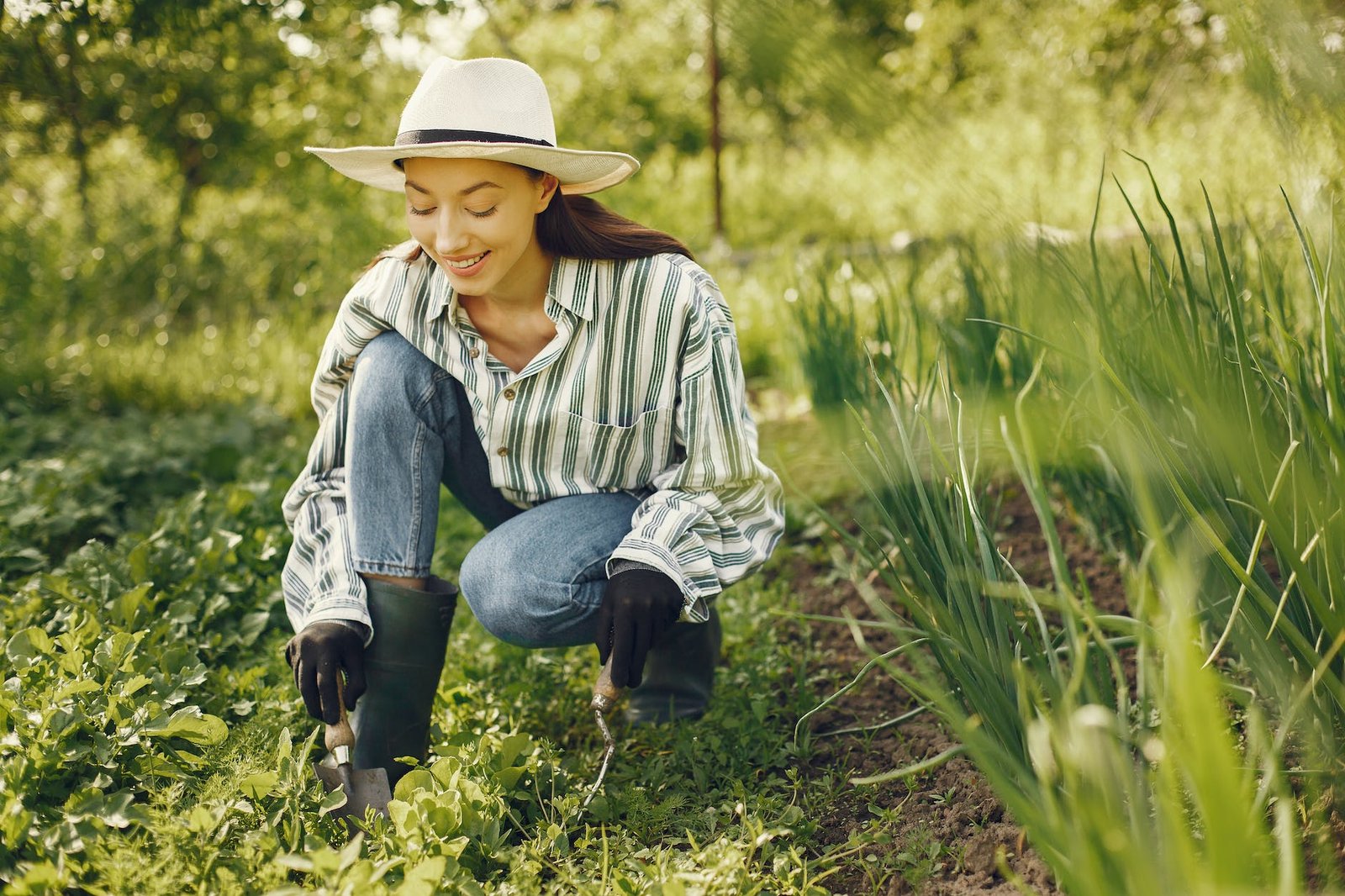
  • Homesteading in Tampa: Embrace Sustainable Living in the Sunshine State

    Homesteading in Tampa: Embrace Sustainable Living in the Sunshine State

    Homesteading is more than just a trend—it’s a lifestyle rooted in self-sufficiency, sustainability, and a deep connection to the land. Across the country, people are turning to homesteading to take control of their food, reduce their environmental impact, and live simpler, more intentional lives. And if you’re considering this lifestyle, Tampa, Florida, with its year-round sunshine, fertile soil, and vibrant growing season, is the perfect place to start.

    In this blog post, we’ll explore what homesteading looks like in Tampa, the benefits of embracing this lifestyle, and practical tips to help you get started. Whether you’re a seasoned homesteader or just curious about sustainable living, Tampa’s unique climate and resources make it an ideal place to thrive.


    What is Homesteading?

    At its core, homesteading is about living sustainably and self-sufficiently. It’s about growing your own food, raising animals, using renewable resources, and reducing your reliance on external systems. Homesteaders aim to create a harmonious relationship with nature, blending traditional practices with modern techniques to build a self-sustaining lifestyle. It’s not just about saving money or eating healthier—it’s about reconnecting with the land and living intentionally.


    Why Homestead in Tampa?

    Tampa’s warm climate, abundant sunshine, and fertile soil make it a homesteader’s dream. Here are just a few reasons why Tampa is an ideal place to embrace this lifestyle:

    • Year-Round Growing Season: Tampa’s mild winters and long growing season mean you can cultivate fruits, vegetables, and herbs almost all year. Imagine harvesting fresh tomatoes in December or enjoying homegrown citrus straight from your backyard.
    • Abundant Sunshine: With over 240 sunny days a year, Tampa is perfect for solar energy. Installing solar panels can help you power your home sustainably and reduce your energy bills.
    • Rainwater Harvesting: Tampa’s frequent rainfall provides an excellent opportunity to collect and store rainwater for irrigation, reducing your reliance on municipal water.
    • Community Support: Tampa has a growing community of homesteaders, gardeners, and sustainability enthusiasts. From local workshops to farmers’ markets, there are plenty of resources and support networks to help you on your journey.

    Getting Started with Homesteading in Tampa

    Starting a homestead in Tampa doesn’t have to be overwhelming. Here are some practical steps to help you begin:

    1. Assess Your Space: Whether you have a small backyard or several acres, evaluate your space to determine what’s possible. Even a small plot can support a thriving garden, a few chickens, or a beehive.
    2. Plan Your Homestead: Design your space thoughtfully. Consider factors like sunlight, water access, and proximity to your home. Plan your garden layout, animal housing, and any infrastructure you’ll need.
    3. Check Local Regulations: Some homesteading activities, like raising chickens or installing solar panels, may require permits. Research local laws and ensure you’re in compliance before you start.

    Homesteading Practices for Tampa’s Climate

    Tampa’s warm, humid climate is perfect for a variety of homesteading practices. Here are some ideas to get you started:

    • Organic Gardening: Grow your own fruits, vegetables, and herbs using organic methods. Companion planting, mulching, and composting can help you create a healthy, productive garden. Consider permaculture principles to design a low-maintenance, sustainable food forest.
    • Raising Chickens: Backyard chickens are a great way to produce fresh eggs and natural pest control. Make sure your chickens have proper housing, food, and protection from predators. Check local regulations to see how many chickens you can keep.
    • Rainwater Harvesting: Install rain barrels or cisterns to collect and store rainwater for irrigation. This not only saves water but also reduces your utility bills.
    • Beekeeping: Bees are essential for pollination and can provide delicious honey. Beekeeping is a rewarding addition to any homestead, but make sure to research local regulations and best practices.

    Sustainable Living Tips for Tampa Homesteaders

    Beyond gardening and raising animals, there are many ways to live sustainably on your Tampa homestead:

    • Solar Power: Take advantage of Tampa’s sunshine by installing solar panels. Solar energy can power your home, reduce your carbon footprint, and lower your energy bills.
    • Water Conservation: Use drip irrigation or soaker hoses in your garden to minimize water waste. Indoors, install low-flow fixtures and consider greywater systems to reuse water from sinks and showers.
    • Composting: Turn kitchen scraps and yard waste into nutrient-rich compost to enrich your soil and reduce waste.
    • Food Preservation: Extend the life of your harvest by canning, drying, fermenting, or freezing your produce. This allows you to enjoy homegrown food year-round.

    Challenges of Homesteading in Tampa

    While Tampa’s climate is ideal for homesteading, it does come with its challenges:

    • Pests and Diseases: The warm, humid climate can attract pests and plant diseases. Use natural pest control methods and practice crop rotation to keep your garden healthy.
    • Extreme Weather: Tampa is no stranger to hurricanes, heavy rain, and high temperatures. Prepare your homestead by securing structures, creating drainage systems, and protecting plants and animals during storms.
    • Zoning Laws: Some homesteading activities may be restricted by local zoning laws. Research regulations and obtain any necessary permits before starting.

    Join the Tampa Homesteading Community

    One of the best parts of homesteading in Tampa is the sense of community. There are plenty of local groups, workshops, and events where you can connect with like-minded individuals. Whether you’re swapping seeds, sharing tips, or collaborating on projects, the Tampa homesteading community is a valuable resource for support and inspiration.


    Final Thoughts

    Homesteading in Tampa is more than just a lifestyle—it’s a way to reconnect with nature, live sustainably, and build a more self-sufficient future. By taking advantage of Tampa’s abundant resources, adopting eco-friendly practices, and joining a supportive community, you can create a thriving homestead that benefits both you and the environment.

    So, whether you’re dreaming of a backyard garden, a flock of chickens, or a solar-powered home, there’s no better time to start your homesteading journey in Tampa. The Sunshine State is waiting to help you grow, thrive, and live sustainably. Happy homesteading!

  • How to Enjoy Your Land

    How to Enjoy Your Land

    Introduction

    Having a piece of land is a wonderful asset that can provide numerous opportunities for enjoyment and fulfillment. Whether you own a small backyard or a vast rural property, there are countless ways to make the most of your land and create a space that brings you joy. In this article, we will explore various ideas and activities that can help you maximize your land’s potential for enjoyment and relaxation.

    Creating Functional Spaces

    One of the best ways to enjoy your land is to create functional spaces that are tailored to your specific needs and interests. For example, if you love to entertain, you might want to build a patio or deck with plenty of seating and a barbecue grill. If you enjoy gardening, you might want to create a vegetable garden or flower bed. And if you’re looking for a place to relax and unwind, you might want to build a gazebo or hammock stand.

    No matter what your interests are, there are endless possibilities for creating functional spaces on your land. By taking the time to design and build these spaces, you can create a truly unique and enjoyable outdoor living environment.

    Exploring Recreational Activities

    In addition to creating functional spaces, you can also enjoy your land by exploring a variety of recreational activities. Some popular options include:

    • Playing sports. If you’re an active person, you might enjoy setting up a sports area on your land. This could include a basketball court, volleyball court, or badminton court.
    • Swimming. If you live in a warm climate, you might want to add a swimming pool to your land. This is a great way to cool off on hot summer days and have some fun with family and friends.
    • Camping. If you’re looking for a more rustic experience, you might want to set up a campsite on your land. This could be as simple as pitching a tent in the backyard or as elaborate as building a cabin in the woods.
    • Hiking. If you enjoy being outdoors, you might want to create hiking trails on your land. This is a great way to get some exercise and explore the natural beauty of your property.
    • Fishing. If you live near a body of water, you might enjoy fishing on your land. This is a great way to relax and catch some fresh fish for dinner.

    These are just a few of the many recreational activities that you can enjoy on your land. By taking the time to explore your options, you can find activities that you and your family will love.

    Embracing Sustainable Practices

    In addition to enjoying your land, you can also make a positive impact on the environment by embracing sustainable practices. Some simple things you can do include:

    • Using native plants. Native plants are adapted to the local climate and conditions, which means they require less water and maintenance than non-native plants.
    • Composting. Composting is a natural way to recycle organic materials, such as food scraps and yard waste. This helps to reduce waste and improve soil quality.
    • Using rainwater harvesting. Rainwater harvesting is a system that collects rainwater from roofs and gutters and stores it for use in irrigation or other applications. This helps to conserve water and reduce the amount of runoff that goes into storm drains.

    By embracing sustainable practices, you can help to protect the environment and make your land more enjoyable for years to come.

    Conclusion

    Owning land presents endless possibilities for enjoyment and fulfillment. By designing a beautiful landscape, creating functional spaces, and exploring recreational activities, you can create a truly unique and enjoyable outdoor living environment. And by embracing sustainable practices, you can help to protect the environment and make your land more enjoyable for years to come.