
Tag: infrastructure

  • Beyond Location: Unveiling the Hidden Factors That Make a Property Valuable

    Beyond Location: Unveiling the Hidden Factors That Make a Property Valuable

    Introduction

    When it comes to real estate, location has long been hailed as the most important factor in determining the value of a property. However, there are several other hidden factors that contribute significantly to the make a property valuable. In this article, we will explore these lesser-known factors that go beyond location and shed light on their impact on property valuation.

    The Role of Amenities and Infrastructure

    While location sets the stage, amenities and infrastructure play a crucial role in making a property valuable. Proximity to schools, hospitals, shopping centers, and recreational facilities significantly enhances the appeal of a property. These amenities not only provide convenience to residents but also indicate a higher quality of life. Properties located in areas with well-developed infrastructure, such as good road connectivity, public transportation, and reliable utility services, tend to command higher prices due to the added convenience they offer.

    Architectural Design and Quality

    The architectural design and quality of construction are often overlooked factors that can greatly influence a property’s value. A well-designed property with attention to detail, aesthetic appeal, and functional layout can significantly enhance its value. High-quality construction materials and craftsmanship contribute to the longevity and durability of a property, making it more attractive to potential buyers. Unique architectural features, such as vaulted ceilings, skylights, or panoramic views, can also add a premium value to a property.

    Historical Significance and Cultural Heritage

    Properties with historical significance or cultural heritage carry a unique appeal that goes beyond their physical attributes. Historic homes, landmark buildings, or properties located in heritage neighborhoods have a sense of charm and character that sets them apart. Such properties often have restrictions on renovations or alterations, which ensures the preservation of their historical and cultural value. The scarcity of such properties and their intrinsic value in terms of heritage make them highly desirable and, consequently, more valuable.

    Future Development Potential

    Anticipating future development and growth potential is an important consideration when assessing the value of a property. Areas undergoing urban revitalization or redevelopment projects are likely to experience a surge in property values. For instance, the construction of new infrastructure, business parks, or the expansion of transportation networks can significantly impact property values in the surrounding areas. Investing in properties located in areas with strong growth potential can yield substantial returns in the long run.

    Environmental Factors and Sustainability

    In recent years, environmental factors and sustainability have gained prominence in the real estate market. Properties that incorporate eco-friendly features, such as energy-efficient systems, green building materials, and renewable energy sources, are increasingly sought after. Buyers are not only attracted to the cost-saving benefits of sustainable properties but also their positive impact on the environment. The integration of sustainable practices adds value to a property and positions it as a responsible and forward-thinking investment.

    Security and Safety Measures

    Safety and security are paramount concerns for homeowners and property investors. Properties located in low-crime areas or gated communities tend to command higher prices due to the peace of mind they offer. The presence of security features such as surveillance systems, access controls, and well-lit surroundings also contribute to the overall value of a property. Homebuyers and tenants are willing to pay a premium for properties that prioritize safety and provide a secure living environment.

    Conclusion

    While location remains a crucial factor, it is essential to look beyond it to fully understand the value of a property. Amenities, infrastructure, architectural design, historical significance, future development potential, environmental sustainability, and security measures all contribute to the overall value of a property. Considering these hidden factors when assessing a property’s value can help investors make informed decisions and maximize their returns.

    Here are some additional factors that can affect the value of a property:

    • View: A property with a stunning view, such as a mountain range, the ocean, or a city skyline, can be worth significantly more than a property with no view.
    • Privacy: Buyers are willing to pay a premium for properties that offer privacy, such as those with large lots or those that are set back from the street.
    • Landscaping: Well-maintained landscaping can make a property more attractive and can also add value.
    • Energy efficiency: Properties that are energy-efficient can save buyers money on their utility bills, which can make them more desirable.
    • Pet-friendly features: Properties that are pet-friendly, such as those with fenced-in yards or dog parks nearby, can be more appealing to buyers who have pets.
    • Condo amenities: Condos and townhomes that offer amenities, such as pools, gyms, or parking, can be worth more than those that do not.
    • HOA fees: HOA fees can be a factor in determining the value of a property. Buyers will be less likely to pay a high price for a property with high HOA fees.
    • Taxes: The property taxes on a property can also affect its value. Buyers will be less likely to pay a high price for a property with high property taxes.

    It is important to consider all of these factors when determining the value of a property. By taking the time to assess all of the factors that can affect value, you can make an informed decision about whether or not to purchase a particular property.

  • The Challenges of Owning a Home with Land

    The Challenges of Owning a Home with Land

    Introduction

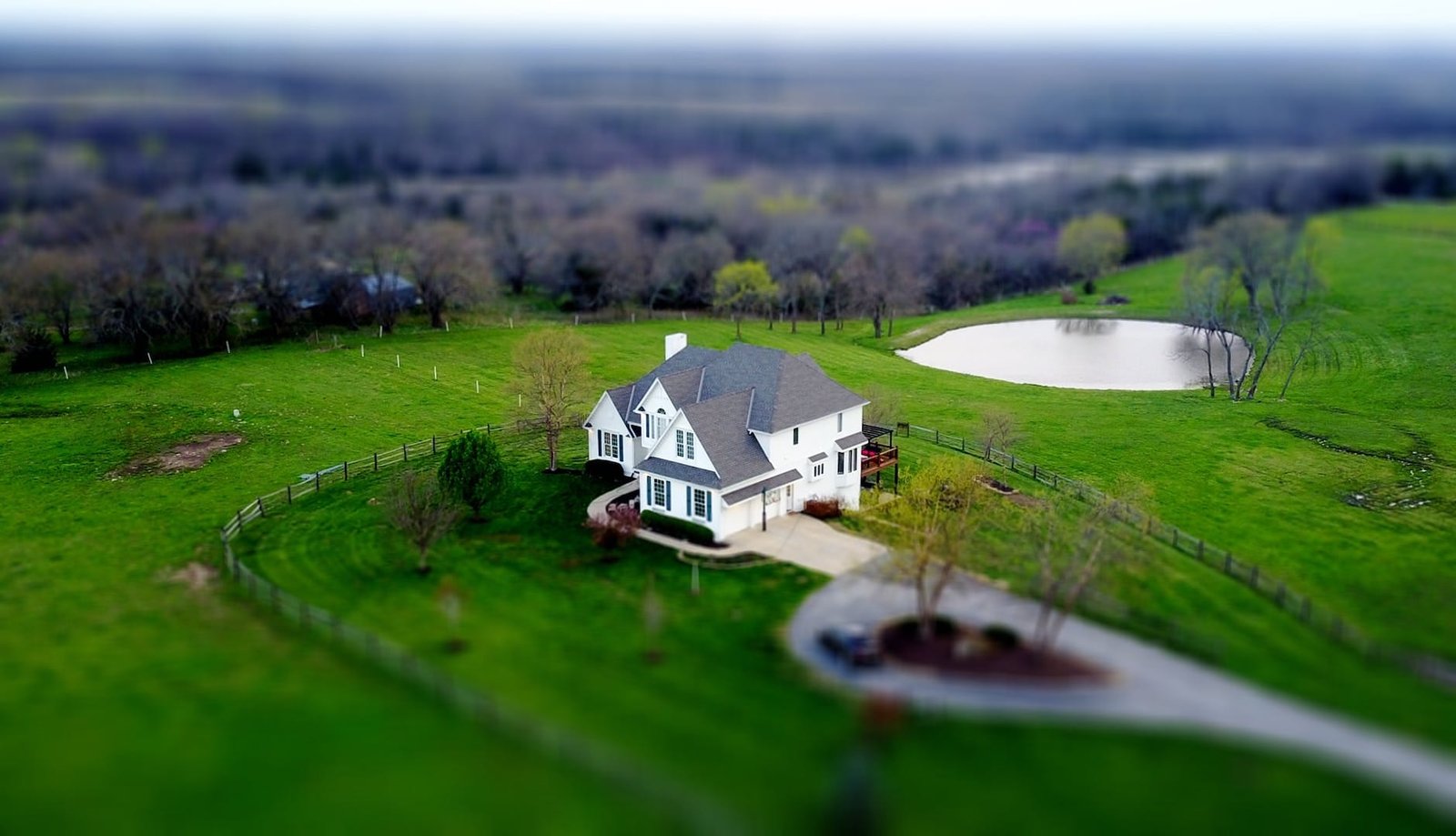
    Owning a home with land can be a dream come true for many individuals. The allure of wide-open spaces, privacy, and the ability to customize and expand your property is undeniable. However, it’s important to recognize that along with the benefits, there are also unique challenges that come with owning a home with land. In this article, we will explore some of these challenges and provide insights on how to navigate them successfully.

    1. Maintenance and Upkeep

    One of the primary challenges of owning a home with land is the increased maintenance and upkeep that comes with a larger property. While a spacious yard may offer plenty of opportunities for outdoor activities and gardening, it also requires regular maintenance to keep it in top shape. Mowing lawns, pruning trees, weeding gardens, and maintaining fences can be time-consuming and physically demanding tasks. Moreover, the larger the land, the more resources and effort are needed to keep it well-maintained.

    To effectively manage the maintenance, it is important to establish a regular schedule and prioritize tasks. Breaking down the work into manageable chunks and seeking assistance from family members or professional services can help alleviate the burden. Additionally, investing in the right tools and equipment can streamline the maintenance process and make it more efficient.

    2. Cost of Ownership

    Owning a home with land can be more expensive compared to owning a smaller property. The cost of land itself is typically higher, and there may be additional expenses for utilities, property taxes, and insurance. Depending on the location, there might also be fees for septic systems, wells, or other infrastructure required for rural properties.

    It is crucial to carefully budget and plan for these costs when considering a home with land. Conducting thorough research and consulting with professionals such as real estate agents, financial advisors, and contractors can provide valuable insights into the financial implications of owning a property with land. Proper financial planning and saving for unexpected expenses are essential for long-term stability.

    3. Environmental Factors

    Living on a property with land exposes homeowners to various environmental factors that can pose challenges. For instance, rural properties may be more susceptible to extreme weather conditions, such as heavy storms, flooding, or wildfires. It is important to assess the potential risks and take appropriate precautions to protect the property and its inhabitants.

    Additionally, rural areas often have unique flora and fauna that may require special attention and management. Dealing with pests, invasive species, or wildlife encounters can be challenging. Seeking guidance from local authorities, conservation organizations, or agricultural extension services can help homeowners navigate these environmental challenges effectively.

    4. Infrastructure and Services

    One of the challenges of owning a home with land is the availability and accessibility of essential infrastructure and services. In rural areas, access to amenities such as water, electricity, and internet connectivity may be limited or less reliable compared to urban or suburban areas. Homeowners may need to invest in alternative solutions, such as wells, generators, or satellite internet, to ensure a consistent supply of basic utilities.

    In addition, accessing public services like healthcare, schools, and shopping centers may require more travel time and planning. It is crucial to consider the proximity and availability of these services when choosing a property with land. Understanding the local infrastructure and developing contingency plans for emergencies can help mitigate potential challenges.

    5. Zoning and Regulations

    When owning a home with land, it is important to navigate zoning laws and regulations that govern land use. Depending on the jurisdiction, there may be restrictions on building structures, operating businesses, or keeping livestock. Homeowners need to familiarize themselves with these regulations and obtain any necessary permits or approvals before making significant changes to the property.

    Engaging with local authorities, zoning boards, or land-use consultants can provide guidance on compliance with zoning regulations. It is crucial to understand the limitations and requirements to ensure that any modifications or activities on the property are in compliance with the law.

    6. Privacy and Isolation

    While owning a home with land can offer privacy and seclusion, it can also lead to feelings of isolation, especially if the property is located in a remote area. Limited interaction with neighbors and the absence of nearby amenities can make it challenging to establish a sense of community and social connections. This can be particularly difficult for individuals who are accustomed to the convenience and social opportunities of urban or suburban living.

    To overcome this challenge, proactive efforts are required to create a sense of community. Participating in local events, joining community organizations, and reaching out to neighbors can foster relationships and combat isolation. Additionally, embracing hobbies or activities that align with the rural lifestyle, such as gardening, hiking, or farming, can provide opportunities to connect with like-minded individuals in the area.

    Conclusion

    Owning a home with land offers numerous advantages, including space, privacy, and customization opportunities. However, it is important to be aware of the challenges that come with this type of property ownership. From increased maintenance and upkeep to financial considerations and navigating regulations, being prepared and proactive can help mitigate these challenges.

    By understanding the unique demands of owning a home with land and taking necessary steps to address them, homeowners can fully enjoy the benefits and rewards that come with this lifestyle choice.

    FAQs

    Q1: Can I build additional structures on my property with land?

    A1: The ability to build additional structures on your property with land depends on local zoning laws and regulations. It is important to consult with local authorities or zoning boards to determine the specific requirements and obtain any necessary permits or approvals.

    Q2: Are there any financial incentives for owning a home with land?

    A2: Depending on the location and circumstances, there may be financial incentives available for owning a home with land, such as agricultural tax exemptions or government grants for rural development. It is advisable to research and consult with professionals to explore potential financial incentives in your area.

    Q3: How can I ensure the safety of my property from environmental risks?

    A3: To ensure the safety of your property from environmental risks, such as storms or wildfires, it is important to take preventive measures. This can include maintaining defensible space around structures, implementing fire-resistant landscaping practices, and staying informed about local weather conditions. Consulting with local fire departments or environmental agencies can provide valuable guidance on mitigating environmental risks.

    Remember, owning a home with land can be a fulfilling and rewarding experience. By understanding and addressing the challenges that come with it, you can create a harmonious balance between enjoying the benefits of a spacious property and effectively managing the responsibilities that come with it.

  • Things to Consider When Buying a House with Land

    Things to Consider When Buying a House with Land

    Buying a house with land is an exciting opportunity, whether you’re dreaming of a spacious backyard, a place to grow your own food, or simply room to breathe. However, it’s also a significant investment that requires careful thought and planning. From the location and size of the land to zoning regulations and future development, there are many factors to consider before making a purchase. In this blog post, we’ll walk you through the key things to keep in mind when buying a house with land to help you make an informed decision.


    Location and Accessibility

    The old saying “location, location, location” holds true when buying a house with land. Think about how close the property is to essential amenities like schools, hospitals, grocery stores, and workplaces. If you’re commuting, consider the accessibility of major roads, highways, and public transportation. A convenient location not only makes daily life easier but can also boost the property’s long-term value.


    Size and Topography of the Land

    The size and layout of the land are just as important as the house itself. Ask yourself:

    • How much land do you need?
    • What do you plan to use it for? (e.g., gardening, farming, building additional structures, or simply enjoying open space).

    Also, pay attention to the land’s topography. Is it flat, sloped, or uneven? Steep slopes or rocky terrain might limit what you can do with the property, while flat, fertile land could be ideal for gardening or farming. Don’t forget to check the soil quality if you’re planning to grow anything.


    Zoning and Permits

    Before you fall in love with a property, make sure you understand the local zoning laws and regulations. Zoning determines how the land can be used—whether it’s for residential, agricultural, commercial, or mixed purposes. If you’re planning to build additional structures, like a barn or a guesthouse, check if the property allows it and what permits you’ll need. Ignoring zoning rules can lead to costly legal issues down the road.


    Utilities and Infrastructure

    Access to basic utilities is a must. Ensure the property has reliable connections to water, electricity, and sewage systems. If you’re looking at rural properties, you might need to dig a well or install a septic system, which can add to your costs. Also, check for high-speed internet and cell service, especially if you work from home or rely on connectivity for daily life.


    Environmental Factors

    Take a close look at the environmental conditions of the property. Is the area prone to flooding, wildfires, or landslides? Are there any nearby pollution sources, like factories or landfills? Research the local climate and weather patterns to ensure they align with your lifestyle. For example, if you’re not a fan of extreme heat or heavy rainfall, make sure the area’s climate suits you.


    Future Development and Expansion

    Think about the future of the area surrounding your property. Are there plans for new roads, schools, or commercial developments nearby? While growth can increase property values, it might also bring noise, traffic, or changes to the neighborhood’s character. On the flip side, if you’re looking for peace and quiet, make sure the area isn’t slated for major development.


    Legal and Financial Considerations

    Buying a house with land involves more than just signing a check. Work with a real estate attorney to review the property’s title and ensure there are no liens, easements, or ownership disputes. On the financial side, get pre-approved for a mortgage and understand your budget. Don’t forget to factor in additional costs like property taxes, insurance, and maintenance.


    Home Inspection and Condition

    A thorough home inspection is non-negotiable. Hire a qualified inspector to check the house’s structural integrity, electrical systems, plumbing, and overall safety. If the property has outbuildings, like a barn or shed, have those inspected too. The inspection report will help you identify any repairs or maintenance needs and give you leverage in price negotiations.


    Neighborhood and Community

    The neighborhood and community can make or break your living experience. Spend time exploring the area, talking to neighbors, and getting a feel for the community’s vibe. Consider factors like safety, noise levels, and proximity to parks or recreational facilities. If you have kids or plan to start a family, research the quality of local schools.


    Market Value and Appreciation

    Understanding the property’s market value and potential for appreciation is key to making a smart investment. Research recent sales of similar properties in the area and consult with a real estate agent or appraiser to gauge the property’s long-term value. While real estate can be a great investment, market conditions can fluctuate, so it’s important to have realistic expectations.


    Financing Options and Affordability

    Buying a house with land often comes with a higher price tag, so it’s important to explore your financing options. Compare mortgage rates and terms from different lenders to find the best deal. Calculate your budget carefully, factoring in not just the mortgage but also property taxes, insurance, and ongoing maintenance costs. Make sure the property is truly affordable for your financial situation.


    Professional Guidance

    Navigating the process of buying a house with land can be complex, so don’t hesitate to seek professional help. A knowledgeable real estate agent can guide you through the process, help you find the right property, and negotiate on your behalf. You may also want to consult with a real estate attorney, financial advisor, or tax specialist to ensure all legal and financial aspects are covered.


    Final Thoughts

    Buying a house with land is a big decision, but with careful planning and research, it can be a rewarding investment. By considering factors like location, land size, zoning, utilities, environmental conditions, and future development, you can find a property that meets your needs and aligns with your long-term goals. Don’t forget to lean on professionals for guidance and support throughout the process.

    Whether you’re looking for a quiet retreat, a place to grow your own food, or simply more space to call your own, buying a house with land can open up a world of possibilities. Take your time, do your homework, and make a decision that you’ll be happy with for years to come. Happy house (and land) hunting!