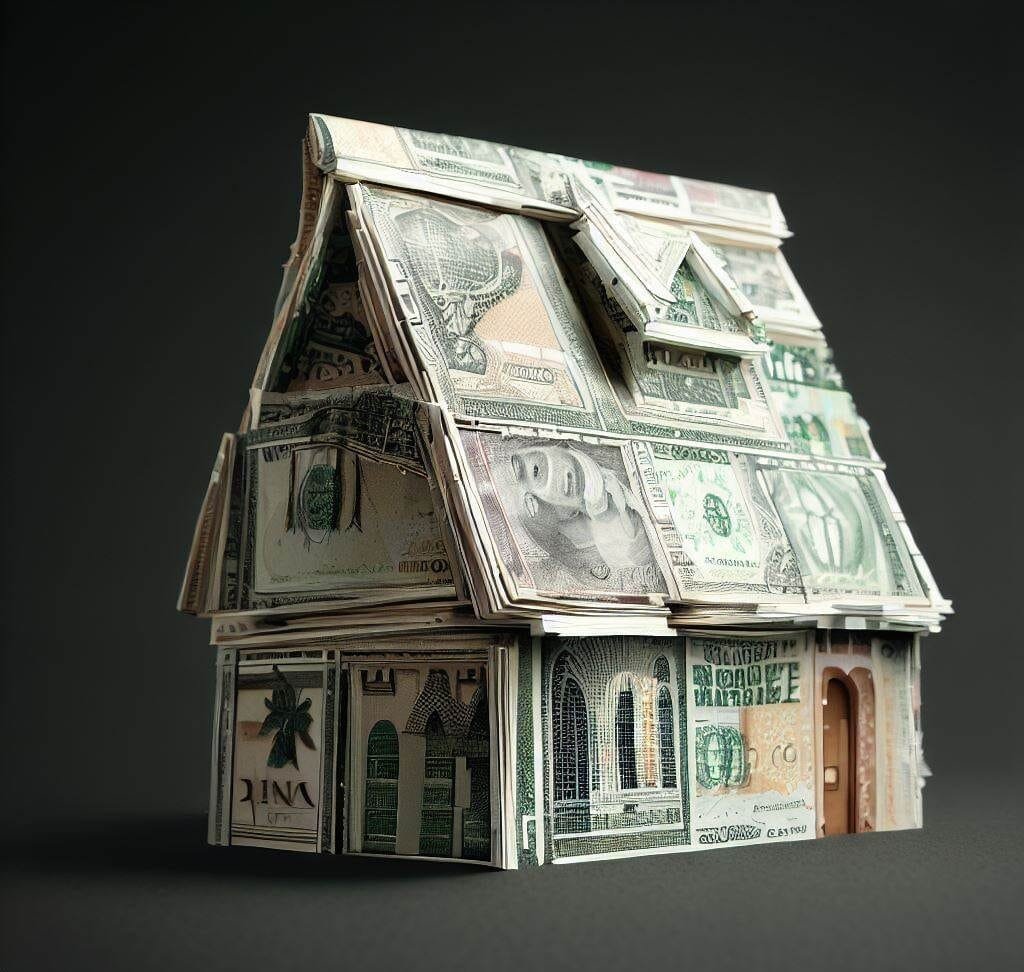
In the ever-fluctuating real estate market, waiting to sell your home may feel like a safe move, but it could actually cost you—a lot more than you think. If you’re a homeowner sitting on the fence, hoping for better timing, more favorable interest rates, or higher offers, you’re not alone. But what most don’t realize is that time may be working against you. In this comprehensive guide, we’ll uncover the hidden costs of waiting to sell your home, from economic shifts to ongoing ownership expenses, and why now may be your best opportunity to list.
⏳ The Financial Risk of Delaying Your Home Sale
Selling a home isn’t just about timing—it’s about optimizing return and minimizing risk. Here’s why stalling might be the most expensive decision you make.
📉 Market Conditions Can Flip in a Flash
The real estate market is notoriously cyclical, and prices are influenced by interest rates, economic data, consumer confidence, and global events. Homeowners who wait too long often miss out on peak windows.
For example, according to National Association of Realtors (NAR), home prices dropped in 27% of U.S. metro areas in 2024, compared to their peak in mid-2023. Those who sold in Q2 of 2023 may have earned tens of thousands more than those who delayed into 2024.
Focus keyword: The hidden costs of waiting to sell your home become painfully apparent when property values dip faster than expected.
📈 Interest Rates Are a Moving Target
Rising interest rates have a dual impact: they reduce buyer affordability and lower demand, both of which can lead to price cuts.
Let’s look at the math:
- A buyer approved for a $500,000 home at 5% may only afford a $430,000 home if rates climb to 7%.
- Fewer qualified buyers = fewer competitive offers for your home.
Mortgage rate volatility also impacts your next purchase. If you’re planning to buy after you sell, higher rates can shrink your buying power.
Delaying? You might get hit on both ends—selling low and buying high.
🌦 Seasonal Slowdowns Can Stall Sales
Historically, spring and early summer are the hottest times to sell. By contrast, fall and winter tend to slow down significantly.
A recent Redfin report showed that homes listed between March and May sell 10% faster and for 6% more than those listed in late fall.
So if you’re waiting until “next year,” you might miss the golden window and enter a colder, quieter market.
💸 The True Cost of Ownership Adds Up Quickly
Beyond market fluctuations, owning a home comes with ongoing expenses that quietly eat away at your profits.
1. Property Taxes
Every month you wait, you pay hundreds to thousands in property taxes. For a $450,000 home with a 1.25% tax rate, that’s $5,625 per year—or $468.75/month.
2. Insurance and Utilities
Home insurance, electricity, water, gas, internet—these essentials can total $300–$600 monthly. And if the home is vacant, you’re paying without benefit.
3. Maintenance and Repairs
Even if your house sits untouched, things wear out. HVAC servicing, landscaping, pest control, roof inspections—it’s an endless list.
According to HomeAdvisor, homeowners spend an average of $3,192 per year on maintenance alone. That’s $266/month that won’t boost your sale price.
4. Mortgage Interest
If you’re still paying a mortgage, most of your monthly payment goes toward interest rather than principal. That’s money lost, not invested.
Add it all up and the hidden costs of waiting to sell your home could be draining $1,000–$2,000 per month from your pocket—money you’ll never recoup.
📊 The Opportunity Cost: What Else Could You Be Doing With That Money?
Time is money. By delaying your home sale, you’re tying up funds that could be working harder for you elsewhere.
Imagine you sell now and net $100,000 in proceeds. If you invest that in a high-yield account at 5%, that’s $5,000/year—passive income you’re missing every day you wait.
Whether you’re moving up, downsizing, or relocating, the longer your equity stays locked in your current home, the more you miss out on wealth-building opportunities.
📍 Real Examples: Homes That Sold Faster This Quarter
In several hot metro areas, homes are selling faster than last year, despite market uncertainty:
- Austin, TX: Median time on market dropped by 14 days in Q1 2025.
- Charlotte, NC: Sellers received an average of 3.2 offers per home, up from 2.1 a year ago.
- Phoenix, AZ: Homes sold 10% faster and for 5% more than Q4 2024.
These trends suggest that today’s market is still favorable—but it may not last long.
🏚 Deferred Maintenance Can Lower Sale Price
Waiting can also lead to home depreciation due to wear and tear. Even small issues—like chipped paint, aging appliances, or roof discoloration—can spook buyers or lead to lower offers.
Buyers often overestimate repair costs and use them as negotiation leverage. A $1,500 issue in your eyes may be a $10,000 price cut in theirs.
By selling sooner, you present a fresher, more appealing home, which can fetch a higher price with fewer concessions.
🔐 Emotional and Logistical Costs of Indecision
Delaying a home sale isn’t just expensive—it’s mentally and emotionally draining.
- Constant upkeep
- Uncertainty around timelines
- Anxiety over market fluctuations
- Disruption to future planning
Plus, holding on to a property longer can complicate tax filings, inheritance planning, and life transitions like retirement, relocation, or family expansion.
📝 Action Steps: How to Prepare to Sell Now
Want to avoid the hidden costs of waiting to sell your home? Here’s a quick action plan:
1. Get a Market Valuation
Contact a licensed agent or appraiser to understand your home’s true current value.
2. Run a Cost-of-Waiting Analysis
Calculate your monthly ownership expenses—taxes, utilities, mortgage interest, maintenance—and compare that to potential gains if you sold now.
3. Stage and List Strategically
Invest in professional photography and minimal staging to maximize interest. Leverage peak listing seasons to your advantage.
4. Choose a Tech-Savvy Agent
Agents who utilize AI pricing tools, social media marketing, and virtual tours tend to sell faster and for more.
You can find trusted professionals via Realtor.com, Zillow, or local brokerages with high transaction volume.
✅ Conclusion: The Time to Sell is Now
The hidden costs of waiting to sell your home are real—and they’re growing. Whether it’s the ticking clock of market shifts, the weight of ongoing expenses, or the emotional burden of indecision, delay is almost always more expensive than action.
Your home is likely one of your biggest assets. Treat it like one. List smart, list soon, and take control of your financial future.
❓Frequently Asked Questions
1. What is the biggest financial risk of waiting to sell my home?
The biggest risk is market depreciation. If property values drop while you wait, you may lose tens of thousands in potential profit. Add in ongoing expenses, and waiting can become extremely costly.
2. Should I wait for interest rates to drop before selling?
Not necessarily. While lower rates can bring more buyers, there’s no guarantee they’ll fall soon—or at all. Meanwhile, your carrying costs continue to add up. Selling now may still yield better net proceeds.
3. What if I’m not ready to move yet?
You can explore rent-back agreements, short-term rentals, or delayed closings to buy time after your sale. Many sellers successfully transition with the help of a skilled real estate agent who can coordinate timelines.
Don’t let indecision cost you equity. Start the conversation with a local expert today, and get ahead of tomorrow’s market.