Tag: home renovation

  • The Pros and Cons of Buying a Fixer-Upper

    The Pros and Cons of Buying a Fixer-Upper

    Introduction

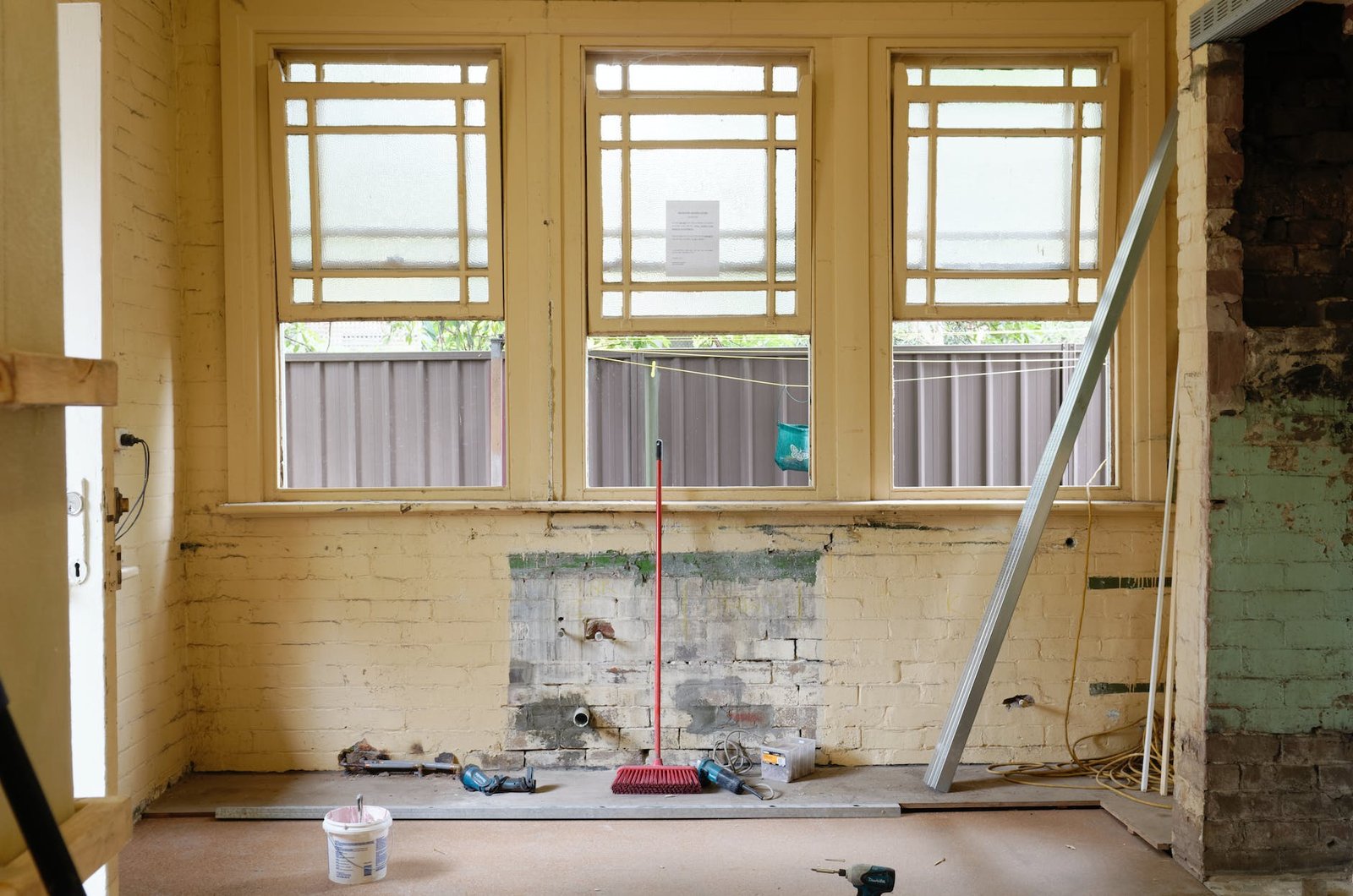
    Are you in the market for a new home? If so, you may be considering buying a fixer-upper. Fixer-uppers are properties that require renovation or repairs. While they can be a great way to get a good deal on a home and customize it to your liking, they also come with some challenges.

    In this article, we will explore the pros and cons of buying a fixer-upper, helping you make an informed decision before taking the plunge.

    Pros of Buying a Fixer-Upper

    There are many potential advantages to buying a fixer-upper. Here are a few of the most common:

    • Lower purchase price: Fixer-uppers are often priced lower than move-in ready homes. This is because they require work, and some buyers are not willing to take on that challenge. If you are willing to put in the time and effort, you can save a significant amount of money by buying a fixer-upper.
    • Increased customization: One of the best things about buying a fixer-upper is that you can customize it to your liking. You can choose the colors, finishes, and fixtures that you want. This is a great way to create a home that reflects your personal style.
    • Potential for equity gains: When you buy a fixer-upper, you have the opportunity to build equity. As you renovate the property, its value will increase. This can translate into financial gains when you decide to sell the home in the future.
    • Learning experience: Buying a fixer-upper can be a valuable learning experience. You will learn about construction, design, and project management. This knowledge can be useful for future endeavors, such as flipping homes or starting your own contracting business.
    • Possibility of a hidden gem: Fixer-uppers often require a discerning eye to see beyond their current state. With a little imagination, you may uncover a hidden gem, a property with unique architectural features or potential that others may have overlooked. This discovery can be immensely rewarding.

    Cons of Buying a Fixer-Upper

    While there are many advantages to buying a fixer-upper, there are also some potential disadvantages. Here are a few of the most common:

    • Higher renovation costs: While the initial purchase price of a fixer-upper may be lower, it’s important to consider the potential costs of renovations and repairs. These expenses can add up quickly, especially if there are underlying structural issues or extensive cosmetic work needed.
    • Time and effort required: Renovating a fixer-upper requires a significant investment of time and effort. It can be a demanding process that involves coordinating contractors, managing budgets, and overseeing the project from start to finish. If you have a busy lifestyle or limited availability, this may pose a challenge.
    • Uncertain timeline: Unlike buying a move-in ready home, fixing up a property can be unpredictable in terms of timelines. Delays in construction, unforeseen issues, or difficulty finding the right professionals can prolong the renovation process. Patience and flexibility are crucial when dealing with the uncertain timeline of a fixer-upper project.
    • Emotional and mental strain: Taking on a fixer-upper can be emotionally and mentally taxing. Living amidst ongoing construction and dealing with the challenges that arise during the renovation process can be stressful. It’s important to be prepared for the potential strain on your emotions and relationships.
    • Financing challenges: Securing financing for a fixer-upper can be more complex compared to buying a move-in ready home. Traditional mortgage lenders may be hesitant to finance a property that requires extensive renovations. Exploring alternative financing options or working with lenders familiar with renovation loans may be necessary.

    Conclusion

    Buying a fixer-upper offers both advantages and disadvantages. On one hand, it provides an opportunity to personalize your living space, potentially increase equity, and learn valuable skills. On the other hand, it requires a significant investment of time, effort, and money, with potential stress and uncertainties along the way.

    If you are considering buying a fixer-upper, it is important to weigh the pros and cons carefully. Do your research and make sure you are prepared for the challenges involved. If you are willing to put in the work, buying a fixer-upper can be a rewarding experience.
  • How to Plan Your Home Renovation Budget and Make Smart Decisions

    How to Plan Your Home Renovation Budget and Make Smart Decisions

    Renovating your home can be a great way to improve your living space, increase your home’s value, or simply make your home more energy-efficient. However, home renovations can also be expensive, so it’s important to create a renovation budget and stick to it.

    Set a budget

    The first step in budgeting for a home renovation is to set a budget. This will help you track your spending and make sure you don’t overspend. There are a few different ways to set a budget. You can use a budgeting software program, create a spreadsheet, or simply write down your income and expenses each month.

    When setting your budget, be sure to factor in all the costs associated with your home renovation. This includes the cost of materials, labor, permits, and any other unexpected expenses. You may also want to consider the cost of temporary housing if you need to move out of your home during the renovation.

    Get multiple bids

    Once you have a budget, it’s time to start getting bids from contractors. Be sure to get at least three bids before making a decision. This will help you ensure that you’re getting a fair price.

    When getting bids, be sure to get detailed estimates from each contractor. This should include the cost of materials, labor, and any other expenses. It’s also a good idea to get a timeline for the project from each contractor.

    Negotiate the price

    Once you have a few bids, don’t be afraid to negotiate the price. Contractors are often willing to negotiate, especially if you’re paying cash.

    When negotiating, be sure to focus on the total cost of the project, not just the labor cost. You may also be able to negotiate for discounts on materials or labor if you’re willing to do some of the work yourself.

    Get everything in writing

    Once you’ve selected a contractor, be sure to get everything in writing. This includes the scope of work, the timeline, the cost, and any other important details. This will help protect you in case there are any problems with the renovation.

    The contract should be clear and concise, and it should be signed by both you and the contractor. It’s also a good idea to have a lawyer review the contract before you sign it.

    Stay on budget

    It’s important to stay on budget during your home renovation. One way to do this is to create a detailed budget and track your spending closely. You may also want to consider setting up a separate bank account for your renovation expenses. This will help you keep your renovation spending separate from your other expenses.

    Be prepared for unexpected expenses

    No matter how well you plan, there’s always the possibility of unexpected expenses during a home renovation. Be prepared for these expenses by setting aside a contingency fund of 10-20% of your total budget.

    This contingency fund can help cover unexpected costs, such as:

    • Increased costs for materials or labor
    • Unforeseen problems with the renovation
    • Changes to the scope of work

    By following these tips, you can create a budget for your home renovation and avoid overspending.

    RelevĂ©’s Most Asked Questions:

    How much does it cost to renovate a home?

    The cost of a home renovation will vary depending on the size and scope of the project, as well as the materials and labor costs in your area. However, you can expect to spend anywhere from $10,000 to $100,000 or more on a major renovation.

    What are the most important factors to consider when budgeting for a home renovation?

    The most important factors to consider when budgeting for a home renovation are the cost of materials, labor, permits, and any other unexpected expenses. You should also factor in the cost of temporary housing if you need to move out of your home during the renovation.

    How can I save money on a home renovation?

    There are a number of ways to save money on a home renovation, such as:

    • Getting multiple bids from contractors
    • Doing some of the work yourself
    • Shopping around for materials
    • Using coupons and discounts
    • Financing the renovation

    What are some common mistakes people make when budgeting for a home renovation?

    Some common mistakes people make when budgeting for a home renovation include:

    • Not factoring in all of the costs
    • Underestimating the cost of materials and labor
    • Not getting multiple bids from contractors
    • Not having a contingency fund for unexpected expenses

    What are some tips for staying on budget during a home renovation?

    Here are some tips for staying on budget during a home renovation:

    • Create a detailed budget and track your spending closely
    • Set up a separate bank account for your renovation expenses
    • Be prepared for unexpected expenses
    • Communicate with your contractor regularly
    • Make changes to the scope of work if necessary

    What are some things to keep in mind when hiring a contractor for a home renovation?

    Here are some things to keep in mind when hiring a contractor for a home renovation:

    • Get multiple bids from contractors
    • Check references
    • Get everything in writing
    • Be sure to understand the contract
    • Make sure the contractor is licensed and insured