Tag: home maintenance

  • The Hidden Costs of Waiting to Sell Your Home

    In the ever-fluctuating real estate market, waiting to sell your home may feel like a safe move, but it could actually cost you—a lot more than you think. If you’re a homeowner sitting on the fence, hoping for better timing, more favorable interest rates, or higher offers, you’re not alone. But what most don’t realize is that time may be working against you. In this comprehensive guide, we’ll uncover the hidden costs of waiting to sell your home, from economic shifts to ongoing ownership expenses, and why now may be your best opportunity to list.


    ⏳ The Financial Risk of Delaying Your Home Sale

    Selling a home isn’t just about timing—it’s about optimizing return and minimizing risk. Here’s why stalling might be the most expensive decision you make.

    📉 Market Conditions Can Flip in a Flash

    The real estate market is notoriously cyclical, and prices are influenced by interest rates, economic data, consumer confidence, and global events. Homeowners who wait too long often miss out on peak windows.

    For example, according to National Association of Realtors (NAR), home prices dropped in 27% of U.S. metro areas in 2024, compared to their peak in mid-2023. Those who sold in Q2 of 2023 may have earned tens of thousands more than those who delayed into 2024.

    Focus keyword: The hidden costs of waiting to sell your home become painfully apparent when property values dip faster than expected.


    📈 Interest Rates Are a Moving Target

    Rising interest rates have a dual impact: they reduce buyer affordability and lower demand, both of which can lead to price cuts.

    Let’s look at the math:

    • A buyer approved for a $500,000 home at 5% may only afford a $430,000 home if rates climb to 7%.
    • Fewer qualified buyers = fewer competitive offers for your home.

    Mortgage rate volatility also impacts your next purchase. If you’re planning to buy after you sell, higher rates can shrink your buying power.

    Delaying? You might get hit on both endsselling low and buying high.


    🌦 Seasonal Slowdowns Can Stall Sales

    Historically, spring and early summer are the hottest times to sell. By contrast, fall and winter tend to slow down significantly.

    A recent Redfin report showed that homes listed between March and May sell 10% faster and for 6% more than those listed in late fall.

    So if you’re waiting until “next year,” you might miss the golden window and enter a colder, quieter market.


    💸 The True Cost of Ownership Adds Up Quickly

    Beyond market fluctuations, owning a home comes with ongoing expenses that quietly eat away at your profits.

    1. Property Taxes

    Every month you wait, you pay hundreds to thousands in property taxes. For a $450,000 home with a 1.25% tax rate, that’s $5,625 per year—or $468.75/month.

    2. Insurance and Utilities

    Home insurance, electricity, water, gas, internet—these essentials can total $300–$600 monthly. And if the home is vacant, you’re paying without benefit.

    3. Maintenance and Repairs

    Even if your house sits untouched, things wear out. HVAC servicing, landscaping, pest control, roof inspections—it’s an endless list.

    According to HomeAdvisor, homeowners spend an average of $3,192 per year on maintenance alone. That’s $266/month that won’t boost your sale price.

    4. Mortgage Interest

    If you’re still paying a mortgage, most of your monthly payment goes toward interest rather than principal. That’s money lost, not invested.

    Add it all up and the hidden costs of waiting to sell your home could be draining $1,000–$2,000 per month from your pocket—money you’ll never recoup.


    📊 The Opportunity Cost: What Else Could You Be Doing With That Money?

    Time is money. By delaying your home sale, you’re tying up funds that could be working harder for you elsewhere.

    Imagine you sell now and net $100,000 in proceeds. If you invest that in a high-yield account at 5%, that’s $5,000/year—passive income you’re missing every day you wait.

    Whether you’re moving up, downsizing, or relocating, the longer your equity stays locked in your current home, the more you miss out on wealth-building opportunities.


    📍 Real Examples: Homes That Sold Faster This Quarter

    In several hot metro areas, homes are selling faster than last year, despite market uncertainty:

    • Austin, TX: Median time on market dropped by 14 days in Q1 2025.
    • Charlotte, NC: Sellers received an average of 3.2 offers per home, up from 2.1 a year ago.
    • Phoenix, AZ: Homes sold 10% faster and for 5% more than Q4 2024.

    These trends suggest that today’s market is still favorable—but it may not last long.


    🏚 Deferred Maintenance Can Lower Sale Price

    Waiting can also lead to home depreciation due to wear and tear. Even small issues—like chipped paint, aging appliances, or roof discoloration—can spook buyers or lead to lower offers.

    Buyers often overestimate repair costs and use them as negotiation leverage. A $1,500 issue in your eyes may be a $10,000 price cut in theirs.

    By selling sooner, you present a fresher, more appealing home, which can fetch a higher price with fewer concessions.


    🔐 Emotional and Logistical Costs of Indecision

    Delaying a home sale isn’t just expensive—it’s mentally and emotionally draining.

    • Constant upkeep
    • Uncertainty around timelines
    • Anxiety over market fluctuations
    • Disruption to future planning

    Plus, holding on to a property longer can complicate tax filings, inheritance planning, and life transitions like retirement, relocation, or family expansion.


    📝 Action Steps: How to Prepare to Sell Now

    Want to avoid the hidden costs of waiting to sell your home? Here’s a quick action plan:

    1. Get a Market Valuation

    Contact a licensed agent or appraiser to understand your home’s true current value.

    2. Run a Cost-of-Waiting Analysis

    Calculate your monthly ownership expenses—taxes, utilities, mortgage interest, maintenance—and compare that to potential gains if you sold now.

    3. Stage and List Strategically

    Invest in professional photography and minimal staging to maximize interest. Leverage peak listing seasons to your advantage.

    4. Choose a Tech-Savvy Agent

    Agents who utilize AI pricing tools, social media marketing, and virtual tours tend to sell faster and for more.

    You can find trusted professionals via Realtor.com, Zillow, or local brokerages with high transaction volume.


    ✅ Conclusion: The Time to Sell is Now

    The hidden costs of waiting to sell your home are real—and they’re growing. Whether it’s the ticking clock of market shifts, the weight of ongoing expenses, or the emotional burden of indecision, delay is almost always more expensive than action.

    Your home is likely one of your biggest assets. Treat it like one. List smart, list soon, and take control of your financial future.


    ❓Frequently Asked Questions

    1. What is the biggest financial risk of waiting to sell my home?

    The biggest risk is market depreciation. If property values drop while you wait, you may lose tens of thousands in potential profit. Add in ongoing expenses, and waiting can become extremely costly.

    2. Should I wait for interest rates to drop before selling?

    Not necessarily. While lower rates can bring more buyers, there’s no guarantee they’ll fall soon—or at all. Meanwhile, your carrying costs continue to add up. Selling now may still yield better net proceeds.

    3. What if I’m not ready to move yet?

    You can explore rent-back agreements, short-term rentals, or delayed closings to buy time after your sale. Many sellers successfully transition with the help of a skilled real estate agent who can coordinate timelines.


    Don’t let indecision cost you equity. Start the conversation with a local expert today, and get ahead of tomorrow’s market.
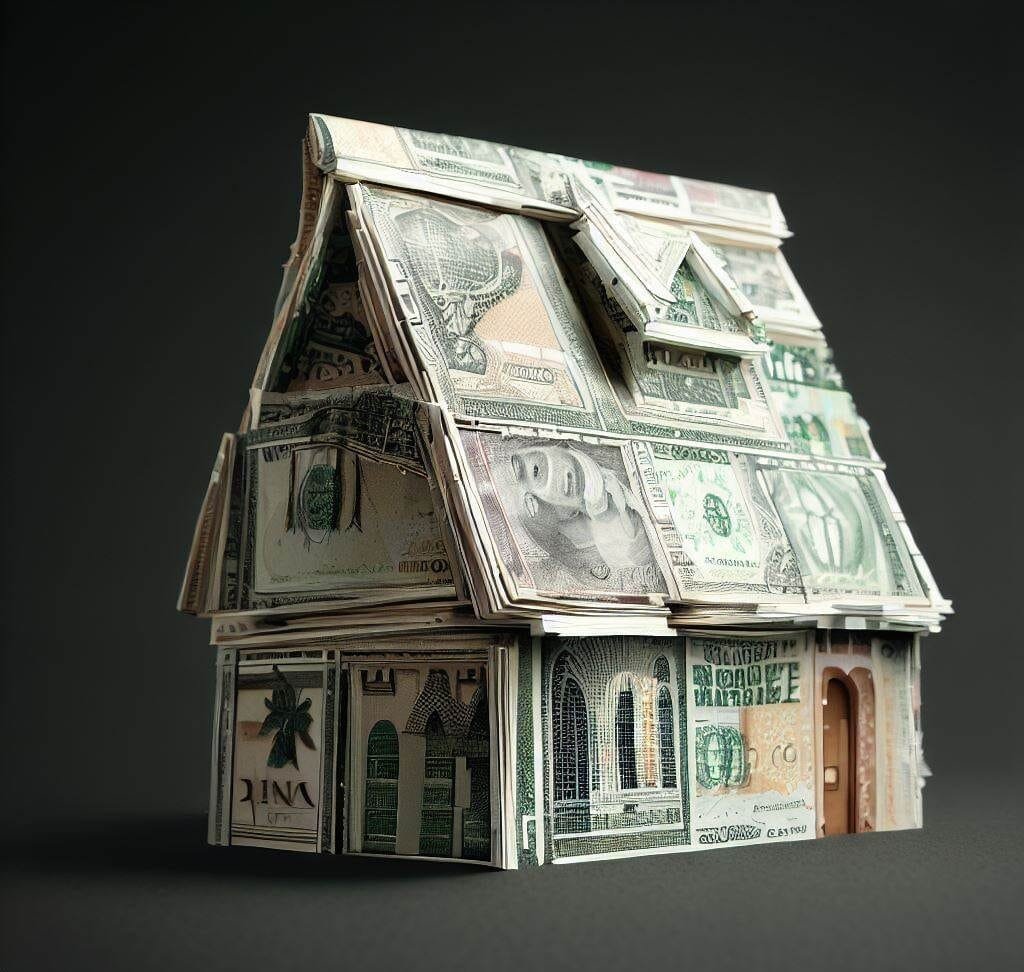
  • How to Determine the Value of Your Home

    How to Determine the Value of Your Home

    Determining the value of your home can be a daunting task, but it’s important to do your research so you can make informed decisions about buying, selling, or refinancing your home. Here are some steps you can follow to determine the value of your home:

    1. Research comparable properties. One of the best ways to determine the value of your home is to research comparable properties in your area. Look for homes that are similar in size, age, condition, and location to your home. You can find this information online or by talking to a real estate agent.
    2. Use online tools. There are a number of online tools that can help you estimate the value of your home. These tools typically use public records and data from recent home sales to generate an estimate of your home’s value. It’s important to note that these tools are just estimates, and they may not be accurate for your specific home.
    3. Consider your home’s condition. The condition of your home can have a significant impact on its value. If your home is in good condition, it will likely be worth more than a home that is in poor condition. Consider factors such as the age of your home, any recent renovations or upgrades, and any necessary repairs.
    4. Consult with a real estate agent. Real estate agents have extensive knowledge of the local housing market and can provide you with a professional opinion on the value of your home. They can also provide you with insights into current market trends, which can be helpful when deciding on a price.
    5. Get a professional appraisal. If you’re serious about selling your home, a professional appraisal is the most accurate way to determine its value. A licensed appraiser will visit your home and assess its condition, size, and location, among other factors, to determine its value.

    By following these steps, you can gain a better understanding of the value of your home and make informed decisions about your next move.

    Here are some additional tips for determining the value of your home:

    • Be patient. The housing market is constantly changing, so it’s important to be patient when trying to determine the value of your home. Don’t make any decisions based on the market value of your home today. Instead, wait a few months or even a year to see how the market changes.
    • Don’t compare apples to oranges. When you’re researching comparable properties, make sure you’re comparing apples to oranges. Don’t compare a 3-bedroom, 2-bathroom home to a 4-bedroom, 3-bathroom home. Instead, focus on homes that are similar in size, age, condition, and location.
    • Get multiple estimates. Don’t rely on just one source of information when trying to determine the value of your home. Get estimates from multiple sources, including online tools, real estate agents, and appraisers. This will give you a better idea of the value of your home.

    Determining the value of your home is an important step in the buying, selling, or refinancing process. By following these tips, you can gain a better understanding of your home’s worth and make informed decisions.

    Answers to our Most Asked Questions:

    1. What is the most accurate way to determine the value of my home?

    The most accurate way to determine the value of your home is to get a professional appraisal. A licensed appraiser will visit your home and assess its condition, size, and location, among other factors, to determine its value.

    2. What are some other ways to determine the value of my home?

    You can also use online tools, research comparable properties, or consult with a real estate agent to get an estimate of your home’s value. However, it’s important to keep in mind that these methods are not as accurate as a professional appraisal.

    3. What factors affect the value of my home?

    The value of your home is affected by a number of factors, including its size, age, condition, location, and amenities. The current market conditions also play a role in the value of your home.

    4. How often should I have my home appraised?

    If you’re planning to sell your home, it’s a good idea to have it appraised within the past 6 months. If you’re not planning to sell your home, you may want to have it appraised every few years to make sure that its value is still accurate.

    5. What are the benefits of knowing the value of my home?

    There are a number of benefits to knowing the value of your home. If you’re planning to sell your home, knowing its value will help you set a realistic asking price. If you’re not planning to sell your home, knowing its value can give you peace of mind and help you make informed decisions about your homeownership.

  • How to Prepare for a Home Inspection

    How to Prepare for a Home Inspection

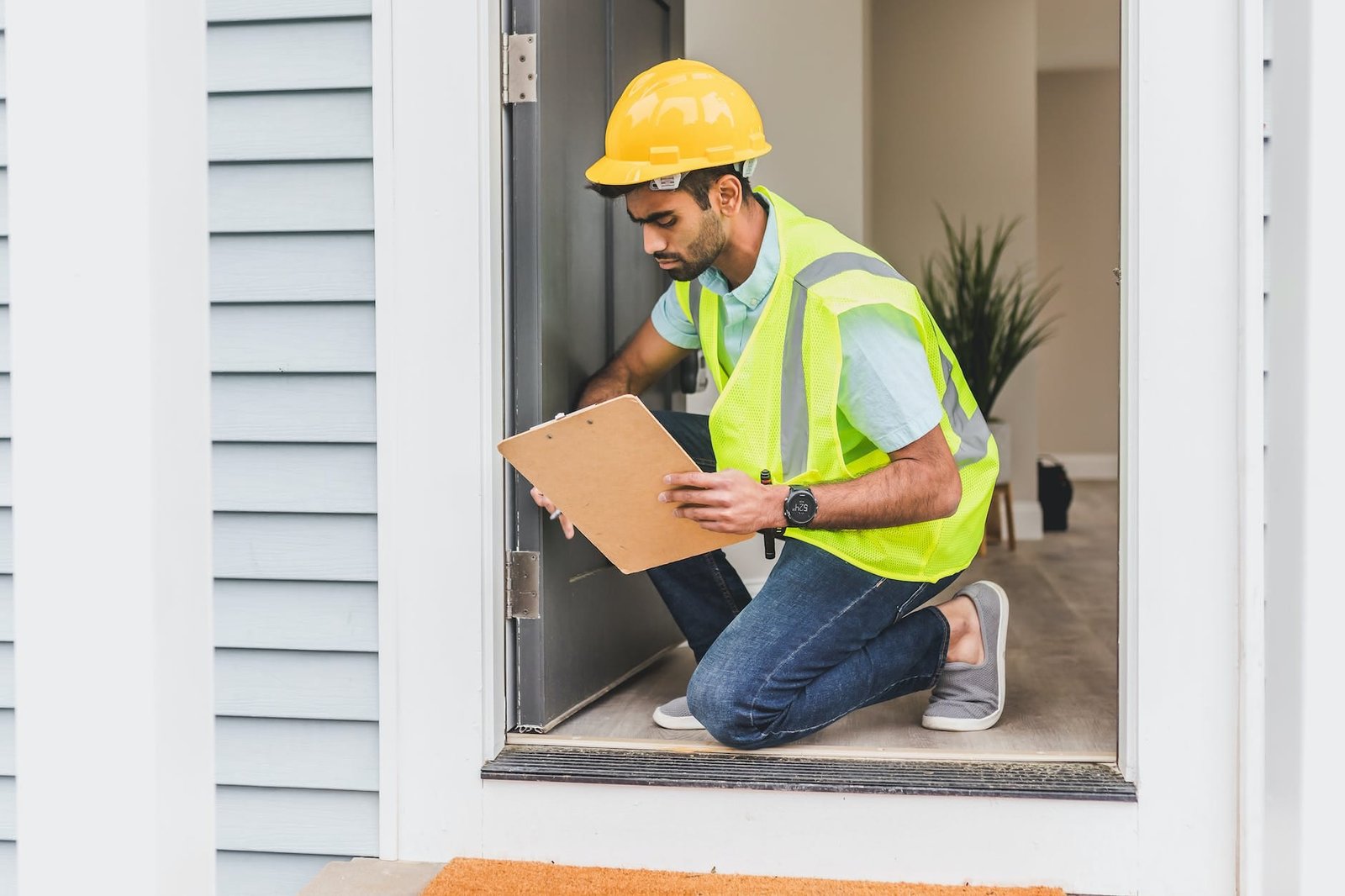
    If you’re planning on selling your home or buying a new one, a home inspection is an essential step in the process. A home inspection is a visual examination of the property’s condition, and it can help you identify any potential problems with the home before you commit to buying or selling. However, preparing for a home inspection can be a daunting task, especially if you’re not sure what to expect. In this article, we’ll cover everything you need to know about how to prepare for a home inspection.

    Understanding What a Home Inspection Is

    Before we dive into how to prepare for a home inspection, it’s essential to understand what a home inspection is and why it’s necessary. A home inspection is a visual examination of a property’s physical structure and systems, from the foundation to the roof. The goal of a home inspection is to identify any issues that could affect the property’s value or safety. A home inspector will examine the home’s heating and cooling systems, electrical and plumbing systems, the roof, foundation, walls, ceilings, and floors.

    Researching Home Inspectors

    The first step in preparing for a home inspection is to research home inspectors in your area. You want to find a qualified and experienced inspector who will provide a thorough examination of the property. Look for inspectors who are members of professional organizations like the American Society of Home Inspectors (ASHI) or the National Association of Home Inspectors (NAHI). Check their reviews and ratings to ensure they have a good reputation.

    Preparing the Home

    Preparing the home for a home inspection is an essential step in the process. The inspector needs to have access to all areas of the property, so make sure all areas are accessible. Clear out clutter from around the furnace, water heater, and electrical panel, and ensure that all utilities are turned on, including gas, water, and electricity.

    Making Minor Repairs

    While a home inspection is not a pass or fail test, minor repairs can go a long way in improving the condition of the property. Fix any leaky faucets or toilets, replace burnt-out light bulbs, and patch any holes in the walls. If you have a leaky roof or a more significant issue, consider hiring a professional to make the repairs before the inspection.

    Cleaning the Home

    A clean home can make a good impression on the inspector and potential buyers. Dust and vacuum the floors, clean the bathrooms and kitchen, and wipe down all surfaces. A clean home also makes it easier for the inspector to access all areas of the property.

    Attending the Inspection

    While it’s not required, it’s a good idea to attend the inspection. This way, you can ask questions and address any concerns the inspector may have. You can also learn more about the property’s condition and get a better idea of what to expect in terms of repairs or maintenance.

    Staying Calm

    A home inspection can be a nerve-wracking experience, especially if you’re selling your home. However, it’s important to stay calm and remember that the inspector is there to help you. The inspector’s job is to identify any potential issues with the property so that you can address them before the sale. It’s not a personal attack on you or your property.

    Knowing What to Expect

    Finally, it’s essential to know what to expect from a home inspection. The inspector will spend several hours examining the property, taking notes and photos of any issues they find. After the inspection, you’ll receive a report detailing their findings. The report will include any major issues with the property, as well as minor issues that may need attention.

    Preparing for a home inspection can be a time-consuming and stressful process, but it’s worth it in the end.

    By taking the time to prepare your home for a home inspection, you can ensure that the inspection process goes smoothly and that any potential issues are identified and addressed. Remember to research home inspectors, prepare the home, make minor repairs, clean the home, attend the inspection, stay calm, and know what to expect.

    In addition, it’s important to keep in mind some additional tips for a successful home inspection:

    1. Provide Documentation: If you’ve recently had any repairs or upgrades done to your home, such as a new roof or HVAC system, make sure to provide documentation to the inspector. This can help demonstrate that the work was done professionally and can give the inspector a better understanding of the home’s condition.
    2. Remove Obstructions: Ensure that all areas of the home are accessible by removing any obstructions. This includes moving furniture, clearing debris from the yard, and unlocking any doors or gates that may be needed for inspection.
    3. Test Smoke and Carbon Monoxide Detectors: Make sure that all smoke detectors and carbon monoxide detectors in the home are in proper working order. Test them to ensure they are functioning correctly and replace any batteries if needed.
    4. Check Electrical Outlets and Light Switches: Go through the home and check all electrical outlets and light switches to make sure they are functioning properly. Replace any burnt-out bulbs or address any faulty outlets or switches.
    5. Check for Water Leaks: Inspect the home for any signs of water leaks, such as water stains on ceilings or walls, musty odors, or water pooling around fixtures. Address any leaks or water damage before the inspection.
    6. Clean Gutters and Downspouts: Ensure that gutters and downspouts are clear of debris and functioning properly. Clean them out to prevent any potential water damage issues.
    7. Check the Foundation: Inspect the foundation of the home for any cracks, settling, or other signs of damage. Address any issues promptly to prevent further damage.
    8. Check the Roof: Inspect the roof for any missing shingles, damage, or signs of leaks. Address any issues with the roof to ensure it’s in good condition.
    9. Check the HVAC System: Have your HVAC system inspected and serviced by a professional to ensure it’s in good working order. Clean or replace filters and address any repairs or maintenance needed.
    10. Address Pest Control Issues: If you have any ongoing pest control issues, such as termites or rodents, address them before the inspection. Pest infestations can raise red flags during a home inspection.

    Conclusion

    Preparing for a home inspection is a crucial step in the home buying or selling process. By following the tips outlined in this article, you can ensure that your home is ready for inspection and that any potential issues are addressed beforehand. Remember to research home inspectors, prepare the home, make minor repairs, clean the home, attend the inspection, stay calm, know what to expect, and follow additional tips for a successful home inspection. With proper preparation, you can increase the chances of a smooth and successful home inspection process.

    Frequently Asked Questions (FAQs)

    1. How long does a home inspection usually take?

    The duration of a home inspection can vary depending on the size and condition of the home, but it typically takes a few hours to complete.

    1. Should I be present during the home inspection?

    While it’s not required, it’s recommended to be present during the home inspection so that you can ask questions and address any concerns the inspector may have.

    1. Can I use the home inspection report for negotiation during the home buying process?

    Yes, the home inspection report can be used as a negotiating tool during the home buying process. It can help you negotiate repairs or price adjustments based on the findings of the inspection.

    1. What if the home inspection reveals major issues with the property?

    If the home inspection reveals major issues with the property, you may need to reconsider your decision to buy or sell the home. You can work with your real estate agent and other professionals to determine the best course of action.

    1. How much does a home inspection typically cost?

    The cost of a home inspection can vary depending on the location, size, and condition of the home, as well as the inspector’s experience and qualifications.