
Tag: home inspection

  • Things to Consider When Buying a House with Land

    Things to Consider When Buying a House with Land

    Buying a house with land is an exciting opportunity, whether you’re dreaming of a spacious backyard, a place to grow your own food, or simply room to breathe. However, it’s also a significant investment that requires careful thought and planning. From the location and size of the land to zoning regulations and future development, there are many factors to consider before making a purchase. In this blog post, we’ll walk you through the key things to keep in mind when buying a house with land to help you make an informed decision.


    Location and Accessibility

    The old saying “location, location, location” holds true when buying a house with land. Think about how close the property is to essential amenities like schools, hospitals, grocery stores, and workplaces. If you’re commuting, consider the accessibility of major roads, highways, and public transportation. A convenient location not only makes daily life easier but can also boost the property’s long-term value.


    Size and Topography of the Land

    The size and layout of the land are just as important as the house itself. Ask yourself:

    • How much land do you need?
    • What do you plan to use it for? (e.g., gardening, farming, building additional structures, or simply enjoying open space).

    Also, pay attention to the land’s topography. Is it flat, sloped, or uneven? Steep slopes or rocky terrain might limit what you can do with the property, while flat, fertile land could be ideal for gardening or farming. Don’t forget to check the soil quality if you’re planning to grow anything.


    Zoning and Permits

    Before you fall in love with a property, make sure you understand the local zoning laws and regulations. Zoning determines how the land can be used—whether it’s for residential, agricultural, commercial, or mixed purposes. If you’re planning to build additional structures, like a barn or a guesthouse, check if the property allows it and what permits you’ll need. Ignoring zoning rules can lead to costly legal issues down the road.


    Utilities and Infrastructure

    Access to basic utilities is a must. Ensure the property has reliable connections to water, electricity, and sewage systems. If you’re looking at rural properties, you might need to dig a well or install a septic system, which can add to your costs. Also, check for high-speed internet and cell service, especially if you work from home or rely on connectivity for daily life.


    Environmental Factors

    Take a close look at the environmental conditions of the property. Is the area prone to flooding, wildfires, or landslides? Are there any nearby pollution sources, like factories or landfills? Research the local climate and weather patterns to ensure they align with your lifestyle. For example, if you’re not a fan of extreme heat or heavy rainfall, make sure the area’s climate suits you.


    Future Development and Expansion

    Think about the future of the area surrounding your property. Are there plans for new roads, schools, or commercial developments nearby? While growth can increase property values, it might also bring noise, traffic, or changes to the neighborhood’s character. On the flip side, if you’re looking for peace and quiet, make sure the area isn’t slated for major development.


    Legal and Financial Considerations

    Buying a house with land involves more than just signing a check. Work with a real estate attorney to review the property’s title and ensure there are no liens, easements, or ownership disputes. On the financial side, get pre-approved for a mortgage and understand your budget. Don’t forget to factor in additional costs like property taxes, insurance, and maintenance.


    Home Inspection and Condition

    A thorough home inspection is non-negotiable. Hire a qualified inspector to check the house’s structural integrity, electrical systems, plumbing, and overall safety. If the property has outbuildings, like a barn or shed, have those inspected too. The inspection report will help you identify any repairs or maintenance needs and give you leverage in price negotiations.


    Neighborhood and Community

    The neighborhood and community can make or break your living experience. Spend time exploring the area, talking to neighbors, and getting a feel for the community’s vibe. Consider factors like safety, noise levels, and proximity to parks or recreational facilities. If you have kids or plan to start a family, research the quality of local schools.


    Market Value and Appreciation

    Understanding the property’s market value and potential for appreciation is key to making a smart investment. Research recent sales of similar properties in the area and consult with a real estate agent or appraiser to gauge the property’s long-term value. While real estate can be a great investment, market conditions can fluctuate, so it’s important to have realistic expectations.


    Financing Options and Affordability

    Buying a house with land often comes with a higher price tag, so it’s important to explore your financing options. Compare mortgage rates and terms from different lenders to find the best deal. Calculate your budget carefully, factoring in not just the mortgage but also property taxes, insurance, and ongoing maintenance costs. Make sure the property is truly affordable for your financial situation.


    Professional Guidance

    Navigating the process of buying a house with land can be complex, so don’t hesitate to seek professional help. A knowledgeable real estate agent can guide you through the process, help you find the right property, and negotiate on your behalf. You may also want to consult with a real estate attorney, financial advisor, or tax specialist to ensure all legal and financial aspects are covered.


    Final Thoughts

    Buying a house with land is a big decision, but with careful planning and research, it can be a rewarding investment. By considering factors like location, land size, zoning, utilities, environmental conditions, and future development, you can find a property that meets your needs and aligns with your long-term goals. Don’t forget to lean on professionals for guidance and support throughout the process.

    Whether you’re looking for a quiet retreat, a place to grow your own food, or simply more space to call your own, buying a house with land can open up a world of possibilities. Take your time, do your homework, and make a decision that you’ll be happy with for years to come. Happy house (and land) hunting!

  • How to Prepare for a Home Inspection

    How to Prepare for a Home Inspection

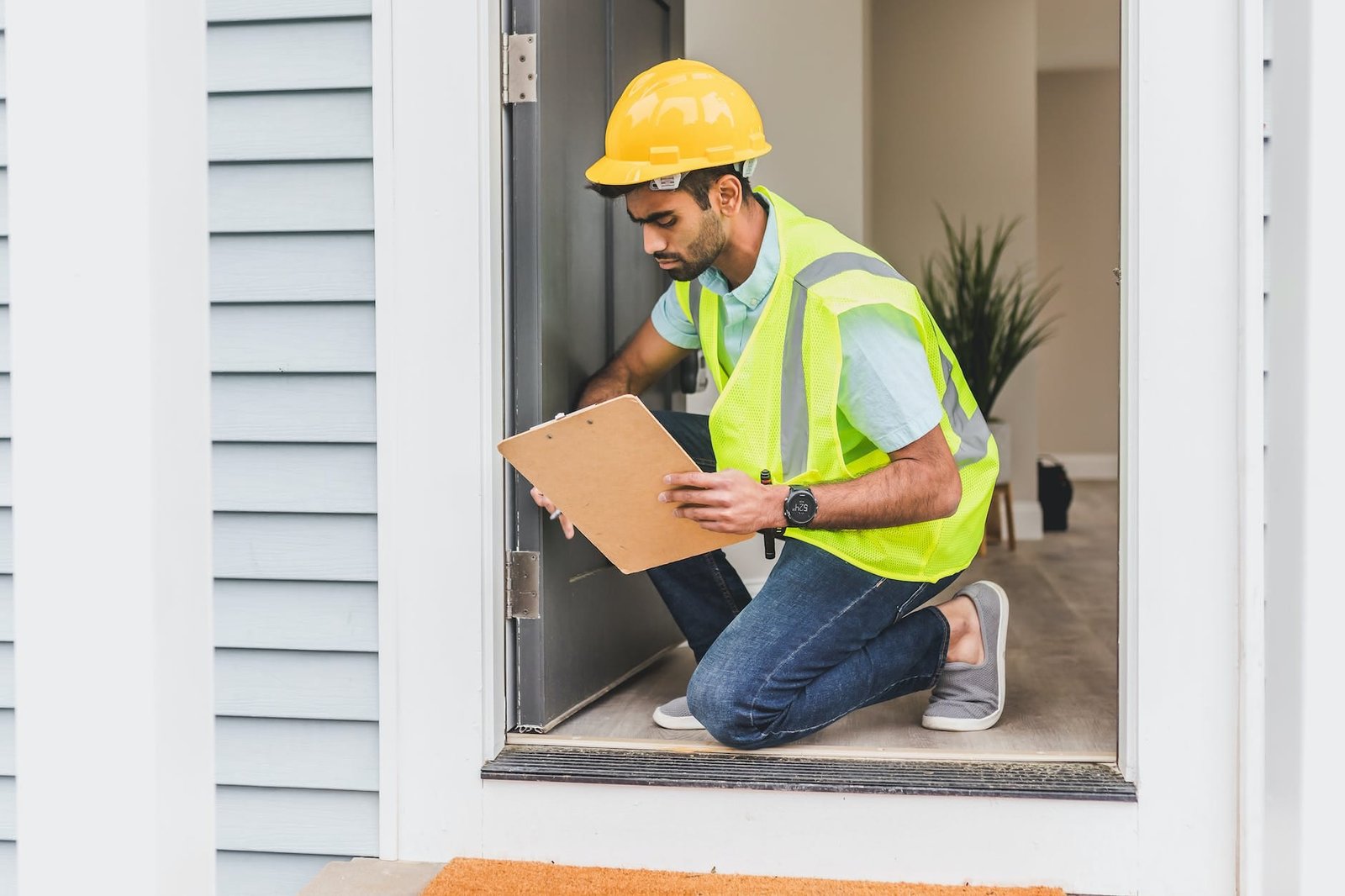
    If you’re planning on selling your home or buying a new one, a home inspection is an essential step in the process. A home inspection is a visual examination of the property’s condition, and it can help you identify any potential problems with the home before you commit to buying or selling. However, preparing for a home inspection can be a daunting task, especially if you’re not sure what to expect. In this article, we’ll cover everything you need to know about how to prepare for a home inspection.

    Understanding What a Home Inspection Is

    Before we dive into how to prepare for a home inspection, it’s essential to understand what a home inspection is and why it’s necessary. A home inspection is a visual examination of a property’s physical structure and systems, from the foundation to the roof. The goal of a home inspection is to identify any issues that could affect the property’s value or safety. A home inspector will examine the home’s heating and cooling systems, electrical and plumbing systems, the roof, foundation, walls, ceilings, and floors.

    Researching Home Inspectors

    The first step in preparing for a home inspection is to research home inspectors in your area. You want to find a qualified and experienced inspector who will provide a thorough examination of the property. Look for inspectors who are members of professional organizations like the American Society of Home Inspectors (ASHI) or the National Association of Home Inspectors (NAHI). Check their reviews and ratings to ensure they have a good reputation.

    Preparing the Home

    Preparing the home for a home inspection is an essential step in the process. The inspector needs to have access to all areas of the property, so make sure all areas are accessible. Clear out clutter from around the furnace, water heater, and electrical panel, and ensure that all utilities are turned on, including gas, water, and electricity.

    Making Minor Repairs

    While a home inspection is not a pass or fail test, minor repairs can go a long way in improving the condition of the property. Fix any leaky faucets or toilets, replace burnt-out light bulbs, and patch any holes in the walls. If you have a leaky roof or a more significant issue, consider hiring a professional to make the repairs before the inspection.

    Cleaning the Home

    A clean home can make a good impression on the inspector and potential buyers. Dust and vacuum the floors, clean the bathrooms and kitchen, and wipe down all surfaces. A clean home also makes it easier for the inspector to access all areas of the property.

    Attending the Inspection

    While it’s not required, it’s a good idea to attend the inspection. This way, you can ask questions and address any concerns the inspector may have. You can also learn more about the property’s condition and get a better idea of what to expect in terms of repairs or maintenance.

    Staying Calm

    A home inspection can be a nerve-wracking experience, especially if you’re selling your home. However, it’s important to stay calm and remember that the inspector is there to help you. The inspector’s job is to identify any potential issues with the property so that you can address them before the sale. It’s not a personal attack on you or your property.

    Knowing What to Expect

    Finally, it’s essential to know what to expect from a home inspection. The inspector will spend several hours examining the property, taking notes and photos of any issues they find. After the inspection, you’ll receive a report detailing their findings. The report will include any major issues with the property, as well as minor issues that may need attention.

    Preparing for a home inspection can be a time-consuming and stressful process, but it’s worth it in the end.

    By taking the time to prepare your home for a home inspection, you can ensure that the inspection process goes smoothly and that any potential issues are identified and addressed. Remember to research home inspectors, prepare the home, make minor repairs, clean the home, attend the inspection, stay calm, and know what to expect.

    In addition, it’s important to keep in mind some additional tips for a successful home inspection:

    1. Provide Documentation: If you’ve recently had any repairs or upgrades done to your home, such as a new roof or HVAC system, make sure to provide documentation to the inspector. This can help demonstrate that the work was done professionally and can give the inspector a better understanding of the home’s condition.
    2. Remove Obstructions: Ensure that all areas of the home are accessible by removing any obstructions. This includes moving furniture, clearing debris from the yard, and unlocking any doors or gates that may be needed for inspection.
    3. Test Smoke and Carbon Monoxide Detectors: Make sure that all smoke detectors and carbon monoxide detectors in the home are in proper working order. Test them to ensure they are functioning correctly and replace any batteries if needed.
    4. Check Electrical Outlets and Light Switches: Go through the home and check all electrical outlets and light switches to make sure they are functioning properly. Replace any burnt-out bulbs or address any faulty outlets or switches.
    5. Check for Water Leaks: Inspect the home for any signs of water leaks, such as water stains on ceilings or walls, musty odors, or water pooling around fixtures. Address any leaks or water damage before the inspection.
    6. Clean Gutters and Downspouts: Ensure that gutters and downspouts are clear of debris and functioning properly. Clean them out to prevent any potential water damage issues.
    7. Check the Foundation: Inspect the foundation of the home for any cracks, settling, or other signs of damage. Address any issues promptly to prevent further damage.
    8. Check the Roof: Inspect the roof for any missing shingles, damage, or signs of leaks. Address any issues with the roof to ensure it’s in good condition.
    9. Check the HVAC System: Have your HVAC system inspected and serviced by a professional to ensure it’s in good working order. Clean or replace filters and address any repairs or maintenance needed.
    10. Address Pest Control Issues: If you have any ongoing pest control issues, such as termites or rodents, address them before the inspection. Pest infestations can raise red flags during a home inspection.

    Conclusion

    Preparing for a home inspection is a crucial step in the home buying or selling process. By following the tips outlined in this article, you can ensure that your home is ready for inspection and that any potential issues are addressed beforehand. Remember to research home inspectors, prepare the home, make minor repairs, clean the home, attend the inspection, stay calm, know what to expect, and follow additional tips for a successful home inspection. With proper preparation, you can increase the chances of a smooth and successful home inspection process.

    Frequently Asked Questions (FAQs)

    1. How long does a home inspection usually take?

    The duration of a home inspection can vary depending on the size and condition of the home, but it typically takes a few hours to complete.

    1. Should I be present during the home inspection?

    While it’s not required, it’s recommended to be present during the home inspection so that you can ask questions and address any concerns the inspector may have.

    1. Can I use the home inspection report for negotiation during the home buying process?

    Yes, the home inspection report can be used as a negotiating tool during the home buying process. It can help you negotiate repairs or price adjustments based on the findings of the inspection.

    1. What if the home inspection reveals major issues with the property?

    If the home inspection reveals major issues with the property, you may need to reconsider your decision to buy or sell the home. You can work with your real estate agent and other professionals to determine the best course of action.

    1. How much does a home inspection typically cost?

    The cost of a home inspection can vary depending on the location, size, and condition of the home, as well as the inspector’s experience and qualifications.

  • The Best Time to Buy a Home in Tampa Bay – Your Ultimate Guide

    The Best Time to Buy a Home in Tampa Bay – Your Ultimate Guide

    Introduction

    Dreaming of owning a home in the sunshine state of Florida? Tampa Bay could be the perfect place for you! But before you make a move, it’s important to consider the best time to buy a home in Tampa Bay to ensure that you make the most of your investment.

    In this comprehensive guide, we’ll explore the best time to buy a home in Tampa Bay, along with tips and tricks to help you navigate the local real estate market. So, whether you’re a first-time homebuyer or a seasoned investor, read on to discover everything you need to know about buying a home in Tampa Bay.

    Why Tampa Bay is a Great Place to Buy a Home

    Tampa Bay is a beautiful and diverse region located on the west coast of Florida. It’s known for its warm and sunny weather, stunning beaches, and vibrant cultural scene. Tampa Bay is also a thriving economic hub, with a range of industries driving job growth and attracting new residents.

    If you’re looking for a place to settle down, Tampa Bay has a lot to offer. It’s a great place for families, with top-rated schools, parks, and recreational activities. It’s also a popular destination for retirees, thanks to its mild climate and affordable cost of living.

    The Benefits of Buying a Home in Tampa Bay

    Investing in a home in Tampa Bay comes with a range of benefits, including:

    • Building equity: Owning a home in Tampa Bay is a smart investment that can help you build equity over time. As home values appreciate, you can benefit from the increasing value of your property.
    • Stable housing costs: When you own a home in Tampa Bay, you can enjoy stable housing costs that won’t fluctuate with market trends or landlord decisions.
    • Tax benefits: Homeownership comes with tax benefits, including deductions for mortgage interest and property taxes.
    • Sense of community: Owning a home in Tampa Bay can help you feel more connected to your community and give you a sense of pride in your property.

    What to Consider When Buying a Home in Tampa Bay

    Before you start your home search in Tampa Bay, there are a few key factors to consider:

    • Your budget: Tampa Bay is an affordable place to live, but you still need to set a budget before you start looking. Take into account your monthly income, expenses, and future financial goals to determine what you can afford.
    • Location: Tampa Bay is a diverse region, and each neighborhood has its own unique character. Consider factors such as proximity to work, schools, and entertainment options when deciding where to buy.
    • Home features: Think about what features are most important to you in a home, such as the number of bedrooms and bathrooms, outdoor space, and amenities like a pool or garage.
    • Resale value: Even if you plan to stay in your home long-term, it’s important to consider its resale value. Look for homes in up-and-coming neighborhoods or with features that are in high demand.

    The Best Time to Buy a Home in Tampa Bay

    When it comes to buying a home in Tampa Bay, timing can be everything. Here are some factors to consider when deciding on the best time to buy:

    • Seasonality: The Tampa Bay real estate market is seasonal, with peak buying activity occurring in the spring and summer. If you’re flexible with your timeline, consider buying during the off-season (September-February) when there are fewer buyers and more homes on the market.
    • Market conditions: The Tampa Bay real estate market is currently experiencing strong growth, with home prices rising at a rapid pace. If you’re looking for a good deal, consider buying sooner rather than later, as prices are expected to continue to rise in the near future.
    • Your personal circumstances: Ultimately, the best time to buy a home in Tampa Bay is when you’re financially ready and emotionally prepared to make a commitment. If you’re in a good place to buy, don’t wait for the perfect moment. The market is constantly changing, so it’s important to act when you’re ready.

    Tips for Buying a Home in Tampa Bay

    If you’re planning to buy a home in Tampa Bay, there are some tips and tricks you should know to help you navigate the real estate market. Here are some key considerations to keep in mind:

    Find the Right Real Estate Agent:

    To start, it’s important to find a reliable and experienced real estate agent who knows the Tampa Bay market. Look for someone who has positive reviews from past clients and can help you find the perfect home that fits your needs and budget.

    Get Pre-Approved for a Mortgage:

    Before you start house hunting, it’s important to get pre-approved for a mortgage. This will give you a clear idea of what you can afford and make you a more attractive buyer to sellers.

    Stay Within Your Budget:

    It’s crucial to stick to your budget when shopping for a home in Tampa Bay. Resist the temptation to stretch your finances too thin, as this can lead to financial stress and difficulties down the line.

    Be Patient:

    The home-buying process can take time, so it’s important to be patient. Don’t rush into a purchase that you’re not completely comfortable with, and don’t be discouraged if it takes a while to find the perfect home.

    FAQs About Buying a Home in Tampa Bay:

    Here are some frequently asked questions to help you make informed decisions when buying a home in Tampa Bay:

    • How much should I expect to pay for a home in Tampa Bay?

    The median home value in Tampa Bay is around $300,000, but prices can vary depending on location, size, and other factors.

    • What neighborhoods are the most popular in Tampa Bay?

    Some of the most popular neighborhoods in Tampa Bay include South Tampa, Davis Islands, and Seminole Heights.

    • Should I buy a new or existing home?

    This ultimately depends on your preferences and budget. New homes may come with modern features and warranties, but they can be more expensive. Existing homes may be more affordable, but they may also require more maintenance and repairs.

    • What should I look for during a home inspection?

    During a home inspection, it’s important to check for any potential issues with the home’s structure, plumbing, electrical systems, and more. Make sure to hire a qualified home inspector to ensure a thorough inspection.

    Conclusion:

    Buying a home in Tampa Bay can be a great investment, but it’s important to do your research and make informed decisions. Consider the current market conditions, your personal circumstances, and work with a qualified real estate agent to find your dream home. By staying within your budget and being patient throughout the process, you can successfully navigate the real estate market in Tampa Bay and find the perfect home for you and your family.