Tag: home improvement

  • Real Estate Renovations Made Easy: Transforming Your Property on a Budget

    Real Estate Renovations Made Easy: Transforming Your Property on a Budget

    Introduction

    Real estate renovations can be expensive, but they don’t have to be. With a little planning and effort, you can transform your home or investment property on a budget.

    In this article, we will share some tips on how to do just that. We will cover everything from choosing the right projects to finding the best deals on materials and labor.

    By following these tips, you can save money and still create a beautiful and functional space.


    1. Choose the Right Projects

    The first step to any successful renovation is to choose the right projects. Not all projects are created equal, and some are simply more expensive than others.

    When choosing projects, it is important to consider your budget, your skill level, and your goals. If you are on a tight budget, you will want to focus on smaller, less expensive projects.

    If you are not very handy, you may want to hire a contractor to help you with the more complicated projects.

    And if you are looking to make a big impact, you may want to focus on projects that will improve the overall value of your property.

    Here are a few ideas for budget-friendly renovation projects:

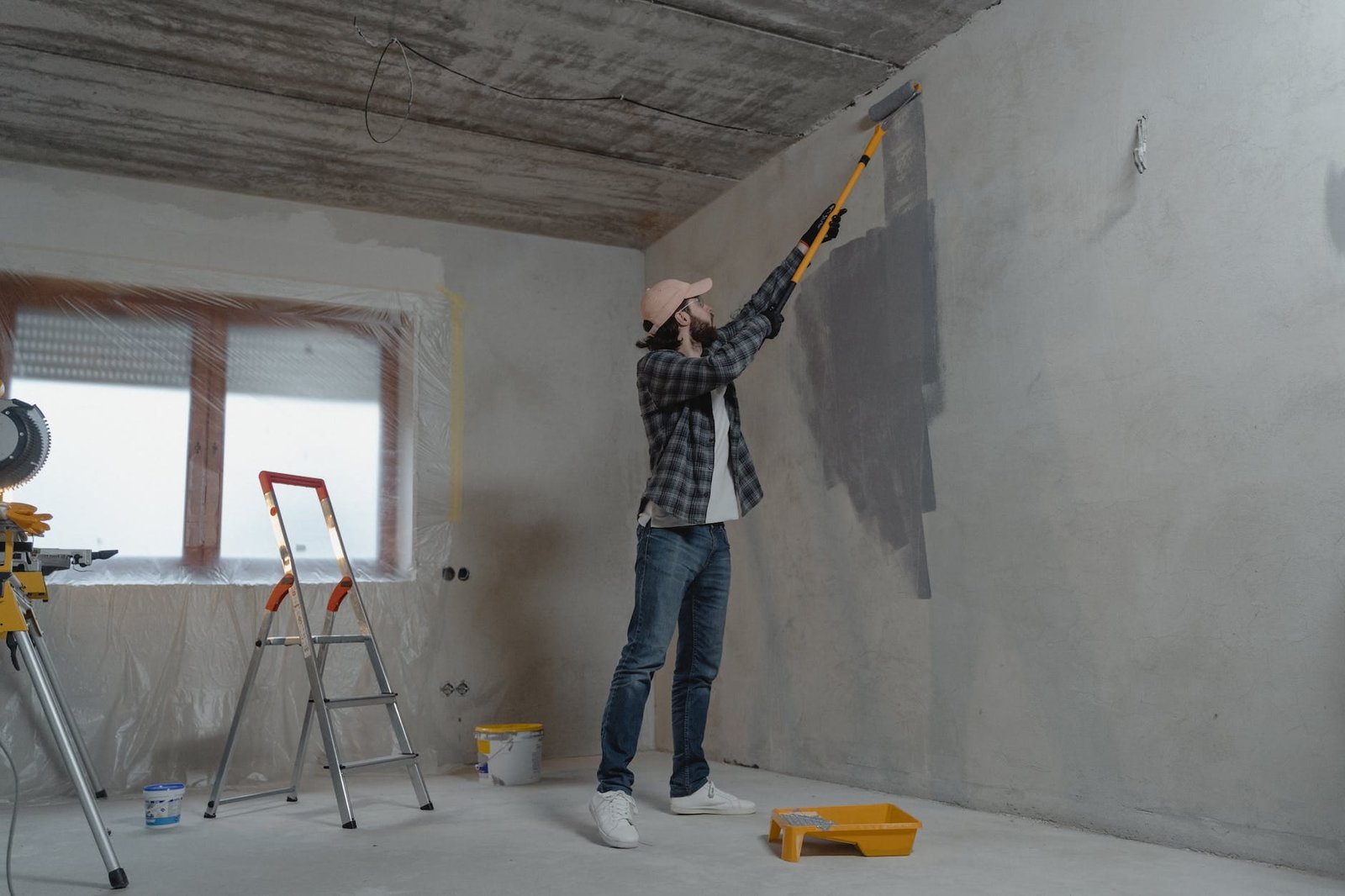
    • Paint the walls
    • Update the flooring
    • Replace the light fixtures
    • Add new hardware
    • Declutter and organize
    • Install new curtains or blinds
    • Add new plants or flowers

    2. Do Your Research

    Once you have chosen your projects, it is important to do your research. This will help you to find the best deals on materials and labor.

    There are a number of ways to do research. You can read online reviews, talk to friends and family, or visit local hardware stores and home improvement centers.

    It is also important to get multiple estimates from contractors before hiring anyone. This will help you to ensure that you are getting a fair price.


    3. Get Creative

    One of the best ways to save money on renovations is to get creative. There are a number of ways to do this, such as:

    • Repurposing old furniture and fixtures
    • Using DIY projects
    • Finding deals on materials and labor
    • Getting creative with your design

    By getting creative, you can save money and still create a beautiful and functional space.


    4. Don’t Be Afraid to Ask for Help

    If you are not sure how to do something, don’t be afraid to ask for help. There are a number of resources available to you, such as:

    • Online tutorials
    • DIY books and magazines
    • Home improvement centers
    • Contractors

    By asking for help, you can avoid making costly mistakes and ensure that your renovation is done correctly.


    5. Take Your Time

    Renovations can be time-consuming, so it is important to take your time. Rushing through a renovation can lead to costly mistakes.

    It is also important to be patient. Renovations can be stressful, so it is important to take breaks and relax when you need to.


    Conclusion

    Renovating your home or investment property can be a great way to improve its value and make it more enjoyable to live in. However, renovations can also be expensive.

    By following the tips in this article, you can save money and still create a beautiful and functional space.

    So what are you waiting for? Start planning your renovation today!

    Relevé Real Estate’s Most Asked Questions:

    Q: How do I choose the right projects for my budget?

    A: When choosing projects, it is important to consider your budget, your skill level, and your goals. If you are on a tight budget, you will want to focus on smaller, less expensive projects. If you are not very handy, you may want to hire a contractor to help you with the more complicated projects. And if you are looking to make a big impact, you may want to focus on projects that will improve the overall value of your property.

    Q: How do I do my research on materials and labor?

    A: There are a number of ways to do research on materials and labor. You can read online reviews, talk to friends and family, or visit local hardware stores and home improvement centers. It is also important to get multiple estimates from contractors before hiring anyone. This will help you to ensure that you are getting a fair price.

    Q: How can I get creative with my renovation?

    A: There are a number of ways to get creative with your renovation. You can repurpose old furniture and fixtures, use DIY projects, find deals on materials and labor, or get creative with your design. By getting creative, you can save money and still create a beautiful and functional space.

    Q: Who can I ask for help with my renovation?

    A: There are a number of resources available to you if you need help with your renovation. You can ask friends and family, read online tutorials, or hire a contractor. By asking for help, you can avoid making costly mistakes and ensure that your renovation is done correctly.

    Q: How can I make sure my renovation is done on time and on budget?

    A: It is important to create a timeline and budget for your renovation before you start. This will help you to stay on track and avoid overspending. It is also important to communicate with your contractor regularly and to be flexible if there are unexpected delays.

    Q: What are some common mistakes to avoid when renovating your home?

    A: Some common mistakes to avoid when renovating your home include:

    • Not planning ahead
    • Overspending
    • Hiring the wrong contractor
    • Not communicating with your contractor
    • Not being flexible
    • Rushing through the renovation

    By avoiding these mistakes, you can ensure that your renovation is a success.
  • Home Renovations to Sell Your Home Fast and for a Profit

    Home Renovations to Sell Your Home Fast and for a Profit

    Selling a home can be a challenge. However, it doesn’t have to be. By following a few simple home renovations tips, you can sell your home quickly and for a profit.

    1. Make a Great First Impression

    When it comes to selling your home, you only get one chance to make a great first impression. Most home buyers decide whether they like a house or not within the first few seconds of arriving. Therefore, it’s important to pay attention to your home’s curb appeal. Here are some updates that will help you make a great first impression:

    • New garage doors: Nothing says your home has been well kept quite like pristine garage doors. Replace old or worn-out garage doors with new ones. Go with neutral colors and sleek designs that match your home’s exterior. On average, this upgrade costs $3,685, but it has an average ROI of 93.15%.
    • New manufactured stone veneer: If your home’s exterior is covered with old or outdated vinyl, replacing it with manufactured stone veneer is an excellent option. It instantly adds elegance and sophistication to your home’s exterior. On average, this upgrade costs $8,711, but it has an average ROI of 86.45%.
    • Steel front door: A fresh front door can make a great first impression on potential home buyers. Catch buyers’ attention by painting it a bold, eye-catching color. On average, this upgrade costs $1,558, but it has an average ROI of 86.25%.

    2. Update Your Kitchen

    The kitchen is one of the most important rooms in the house, so it’s important to make sure it’s updated and inviting. Here are a few things you can do to update your kitchen:

    • Replace old cabinets: If your cabinets are outdated or damaged, replacing them is a great way to update your kitchen. New cabinets can make your kitchen look more modern and stylish. On average, this upgrade costs $10,849, but it has an average ROI of 70.85%.
    • Install new countertops: Countertops are another important part of the kitchen. If your countertops are old or damaged, replacing them is a great way to update your kitchen. New countertops can make your kitchen look more modern and functional. On average, this upgrade costs $4,902, but it has an average ROI of 63.25%.
    • Update your appliances: If your appliances are old or outdated, replacing them is a great way to update your kitchen. New appliances can make your kitchen look more modern and efficient. On average, this upgrade costs $2,600, but it has an average ROI of 51.25%.

    3. Declutter and Stage Your Home

    Before you put your home on the market, it’s important to declutter and stage it. This means getting rid of any unnecessary furniture or belongings, and arranging the furniture in a way that makes your home look its best. Staging your home can make it more appealing to potential buyers and can help you sell it faster.

    4. Get a Home Inspection

    Before you put your home on the market, it’s a good idea to get a home inspection. This will help you identify any potential problems with your home that you may not be aware of. If you know about any problems ahead of time, you can fix them before you put your home on the market. This will make your home more appealing to potential buyers and can help you sell it faster.

    5. Price Your Home Right

    Pricing your home right is essential to selling it quickly and for a profit. If you price your home too high, it will sit on the market for a long time and you may have to lower the price. If you price your home too low, you may lose out on potential profits.

    6. Market Your Home Effectively

    Once you’ve priced your home right, it’s time to start marketing it. There are a number of ways to market your home, including:

    • List your home with a real estate agent: A real estate agent can help you market your home and get it in front of potential buyers.
    • Create a listing for your home online: There are a number of websites where you can create a listing for your home. This will help potential buyers find your home when they’re searching online.
    • Hold open houses: Open houses are a great way to get potential buyers into your home. You can hold open houses on weekends and evenings.

    7. Curb Appeal

    Here are some things to consider when deciding whether to focus on curb appeal or interior renovations:

    • Your budget: If you’re on a tight budget, it may be more cost-effective to focus on curb appeal. Curb appeal can be improved with relatively inexpensive updates, such as painting the front door, planting flowers, and adding fresh mulch.
    • Your market: The local real estate market can also play a role in your decision. If homes in your area are selling quickly, you may not need to spend a lot of money on interior renovations. However, if homes are sitting on the market for a long time, you may need to do more to make your home stand out.
    • Your personal preferences: Ultimately, the decision of whether to focus on curb appeal or interior renovations is a personal one. Consider your budget, the local market, and your own preferences when making your decision.

    8. Smart Renovations

    Here are some tips for making smart renovations:

    • Do your research: Before you start any renovations, it’s important to do your research and understand what buyers in your area are looking for. You can talk to a real estate agent, read online reviews, or visit open houses to get an idea of what’s popular.
    • Choose the right projects: Not all renovations are created equal. Some projects, such as adding a new bathroom or kitchen, can add a lot of value to your home. Others, such as updating the wallpaper or painting the walls, may not have as much of an impact.
    • Get multiple estimates: Before you start any major renovations, it’s important to get multiple estimates from different contractors. This will help you ensure that you’re getting a fair price for the work.
    • Hire a qualified contractor: Once you’ve chosen the projects you want to do, it’s important to hire a qualified contractor. A good contractor will have experience in the type of work you need done, and they’ll be able to get the job done on time and within budget.
    • Be patient: Renovations can take time, so it’s important to be patient. Don’t expect to see a return on your investment overnight. With a little planning and patience, you can make smart renovations that will add value to your home and make it more appealing to buyers.

    Relevé’s Most Asked Questions:

    Conclusion When it comes to selling your home, renovations can be a great way to boost your value and attract buyers. But it’s important to choose your updates wisely and to work with a local real estate agent who understands your market. By following these tips and investing in the right updates, you’ll be well on your way to a successful sale.

    FAQs

    1. Should I focus on curb appeal or interior renovations? Both are important! Curb appeal is what gets buyers in the door, but interior updates are what seals the deal.
    2. How much should I spend on renovations before selling my home? It depends on your budget and your local market. Work with your agent to determine the best strategy for your situation.
    3. Can I make updates myself or should I hire a professional? It depends on the project. Some updates, like painting, can be done by a homeowner. Others, like major kitchen remodels, may require a professional.
    4. How do I find a good real estate agent? Start by asking for referrals from friends and family. You can also do some research online to find agents in your area with good reviews.
    5. How long does it typically take to sell a home? It depends on your market, but the national average is about 60-90 days. By following the tips in this article, you can help speed up the process and get the best possible price for your home.
  • How to Determine the Value of Your Home

    How to Determine the Value of Your Home

    Determining the value of your home can be a daunting task, but it’s important to do your research so you can make informed decisions about buying, selling, or refinancing your home. Here are some steps you can follow to determine the value of your home:

    1. Research comparable properties. One of the best ways to determine the value of your home is to research comparable properties in your area. Look for homes that are similar in size, age, condition, and location to your home. You can find this information online or by talking to a real estate agent.
    2. Use online tools. There are a number of online tools that can help you estimate the value of your home. These tools typically use public records and data from recent home sales to generate an estimate of your home’s value. It’s important to note that these tools are just estimates, and they may not be accurate for your specific home.
    3. Consider your home’s condition. The condition of your home can have a significant impact on its value. If your home is in good condition, it will likely be worth more than a home that is in poor condition. Consider factors such as the age of your home, any recent renovations or upgrades, and any necessary repairs.
    4. Consult with a real estate agent. Real estate agents have extensive knowledge of the local housing market and can provide you with a professional opinion on the value of your home. They can also provide you with insights into current market trends, which can be helpful when deciding on a price.
    5. Get a professional appraisal. If you’re serious about selling your home, a professional appraisal is the most accurate way to determine its value. A licensed appraiser will visit your home and assess its condition, size, and location, among other factors, to determine its value.

    By following these steps, you can gain a better understanding of the value of your home and make informed decisions about your next move.

    Here are some additional tips for determining the value of your home:

    • Be patient. The housing market is constantly changing, so it’s important to be patient when trying to determine the value of your home. Don’t make any decisions based on the market value of your home today. Instead, wait a few months or even a year to see how the market changes.
    • Don’t compare apples to oranges. When you’re researching comparable properties, make sure you’re comparing apples to oranges. Don’t compare a 3-bedroom, 2-bathroom home to a 4-bedroom, 3-bathroom home. Instead, focus on homes that are similar in size, age, condition, and location.
    • Get multiple estimates. Don’t rely on just one source of information when trying to determine the value of your home. Get estimates from multiple sources, including online tools, real estate agents, and appraisers. This will give you a better idea of the value of your home.

    Determining the value of your home is an important step in the buying, selling, or refinancing process. By following these tips, you can gain a better understanding of your home’s worth and make informed decisions.

    Answers to our Most Asked Questions:

    1. What is the most accurate way to determine the value of my home?

    The most accurate way to determine the value of your home is to get a professional appraisal. A licensed appraiser will visit your home and assess its condition, size, and location, among other factors, to determine its value.

    2. What are some other ways to determine the value of my home?

    You can also use online tools, research comparable properties, or consult with a real estate agent to get an estimate of your home’s value. However, it’s important to keep in mind that these methods are not as accurate as a professional appraisal.

    3. What factors affect the value of my home?

    The value of your home is affected by a number of factors, including its size, age, condition, location, and amenities. The current market conditions also play a role in the value of your home.

    4. How often should I have my home appraised?

    If you’re planning to sell your home, it’s a good idea to have it appraised within the past 6 months. If you’re not planning to sell your home, you may want to have it appraised every few years to make sure that its value is still accurate.

    5. What are the benefits of knowing the value of my home?

    There are a number of benefits to knowing the value of your home. If you’re planning to sell your home, knowing its value will help you set a realistic asking price. If you’re not planning to sell your home, knowing its value can give you peace of mind and help you make informed decisions about your homeownership.