Tag: financing

  • Best Real Estate Investment Strategies for Building Wealth

    Best Real Estate Investment Strategies for Building Wealth

    Real estate investment has long been considered one of the most reliable and effective ways to build wealth. However, with the ever-changing landscape of the real estate market, it’s essential to adopt the best investment strategies to maximize returns and minimize risks.

    In this article, we will explore the top real estate investment strategies that can help you achieve your financial goals and create lasting wealth.

    Understanding Real Estate Investment

    Real estate investment involves purchasing, owning, managing, and/or selling real estate properties for the purpose of generating profit. These properties can include residential homes, commercial buildings, apartment complexes, land, and more.

    Successful real estate investing requires a deep understanding of market dynamics, financial analysis, and risk assessment.

    Setting Your Financial Goals

    Before diving into the world of real estate investment, it’s crucial to define your financial goals. Are you looking for steady passive income, long-term appreciation, or quick profits? Understanding your objectives will help you choose the most suitable investment strategy.

    Long-Term Buy and Hold Strategy

    The long-term buy and hold strategy involves purchasing properties with the intent to hold onto them for an extended period, often years or even decades. This approach allows investors to benefit from property appreciation while earning rental income. Over time, property values tend to rise, providing a steady increase in wealth.

    House Hacking: Live-in Investment

    House hacking is an innovative way to start your real estate journey with reduced living expenses. It involves buying a multi-unit property, living in one unit, and renting out the others. The rental income can cover your mortgage and other expenses, accelerating your wealth-building process.

    Flipping Properties for Quick Profits

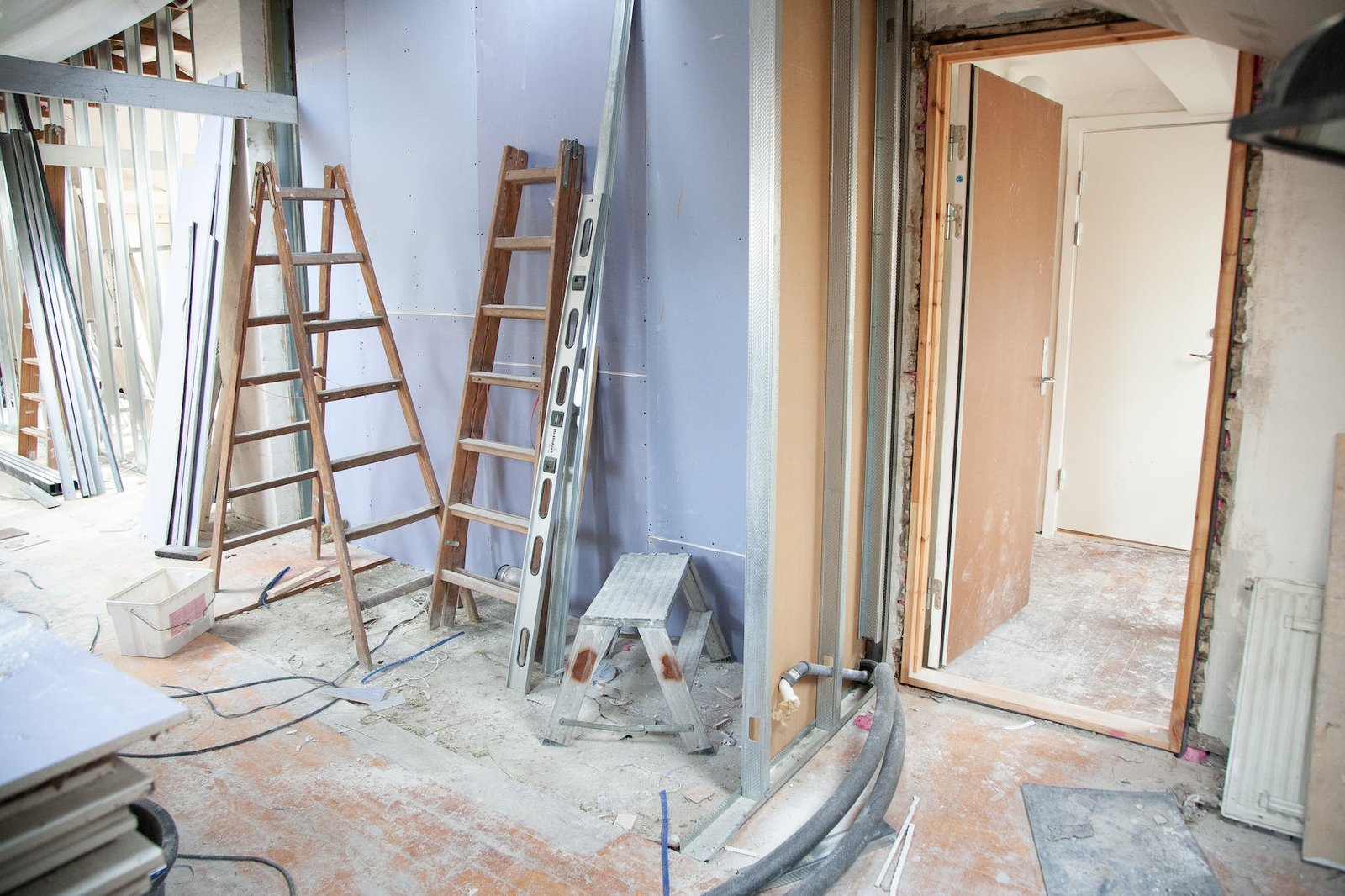
    Property flipping is a more active investment strategy that involves purchasing distressed properties, renovating them, and selling them at a higher price. This approach can yield quick profits but requires market knowledge, renovation skills, and the ability to time the sales effectively.

    Short-Term Rentals and Airbnb

    With the rise of platforms like Airbnb, short-term rentals have become a popular real estate investment strategy. Renting out properties for short stays can generate higher income than traditional long-term leases. However, it’s essential to be aware of local regulations and seasonal demand fluctuations.

    Real Estate Investment Trusts (REITs)

    REITs are companies that own or finance income-generating real estate across various sectors. Investing in REITs provides an opportunity for diversification without the need to own physical properties directly. They offer regular dividends and the potential for capital appreciation.

    Investing in Real Estate Crowdfunding

    Real estate crowdfunding platforms allow individuals to pool their funds and invest in properties collectively. This strategy provides access to real estate deals with lower capital requirements and enables diversification across multiple properties.

    Tax Liens and Tax Deed Investing

    Investing in tax liens or tax deeds involves purchasing the outstanding property tax bills from delinquent owners or the right to claim ownership if the taxes are not paid. This strategy can offer high returns, but it requires thorough research and understanding of local laws.

    Real Estate Partnerships

    Forming partnerships with other investors can be an excellent way to share resources, spread risks, and tackle more extensive projects. Joint ventures and limited partnerships allow investors to combine their expertise and capital for mutual benefits.

    The Importance of Location

    One of the critical factors in real estate investment is the location of the property. A well-located property in a growing or desirable area tends to appreciate more and attracts better tenants, ensuring a steady income stream.

    Analyzing Market Trends and Indicators

    To make informed investment decisions, it’s essential to keep a close eye on real estate market trends and indicators. Factors such as population growth, job market, infrastructure development, and supply-demand dynamics significantly impact property values.

    Risk Management and Diversification

    Like any investment, real estate carries risks. Diversifying your real estate portfolio across different types of properties and locations can help mitigate risks and protect your overall wealth.

    Financing Your Real Estate Investments

    Having a solid financial plan is crucial in real estate investment. Understanding various financing options, including mortgages, private loans, and hard money loans, can help you make the most of your investment opportunities.

    The Power of Networking and Education

    Building a network of real estate professionals and like-minded investors can open doors to valuable opportunities and knowledge. Continuous education and staying updated with industry trends are essential for success in the real estate market.

    Conclusion

    Real estate investment can be a powerful tool for wealth creation when approached strategically. By understanding your goals, adopting the right investment strategies, and staying informed, you can build a robust and diverse real estate portfolio that stands the test of time.


    FAQs

    1. Is real estate investment suitable for beginners?Yes, real estate investment offers various strategies suitable for beginners, such as house hacking and investing in REITs.
    2. How much capital do I need to start investing in real estate?The capital required depends on the investment strategy and location. Some strategies, like crowdfunding, have lower entry barriers, while others may require more substantial upfront investments.
    3. What are the tax implications of real estate investment?Real estate investment comes with tax benefits and obligations. Consult a tax professional to understand the tax implications based on your investment activities.
    4. Are there any risks associated with property flipping?Yes, property flipping involves market risks, renovation expenses, and the possibility of not finding buyers at the desired price.
    5. How do I choose the right real estate market to invest in?Research market trends, economic indicators, population growth, and local regulations to identify promising real estate markets with growth potential.

  • Things to Consider When Buying a House with Land

    Things to Consider When Buying a House with Land

    Buying a house with land is an exciting opportunity, whether you’re dreaming of a spacious backyard, a place to grow your own food, or simply room to breathe. However, it’s also a significant investment that requires careful thought and planning. From the location and size of the land to zoning regulations and future development, there are many factors to consider before making a purchase. In this blog post, we’ll walk you through the key things to keep in mind when buying a house with land to help you make an informed decision.


    Location and Accessibility

    The old saying “location, location, location” holds true when buying a house with land. Think about how close the property is to essential amenities like schools, hospitals, grocery stores, and workplaces. If you’re commuting, consider the accessibility of major roads, highways, and public transportation. A convenient location not only makes daily life easier but can also boost the property’s long-term value.


    Size and Topography of the Land

    The size and layout of the land are just as important as the house itself. Ask yourself:

    • How much land do you need?
    • What do you plan to use it for? (e.g., gardening, farming, building additional structures, or simply enjoying open space).

    Also, pay attention to the land’s topography. Is it flat, sloped, or uneven? Steep slopes or rocky terrain might limit what you can do with the property, while flat, fertile land could be ideal for gardening or farming. Don’t forget to check the soil quality if you’re planning to grow anything.


    Zoning and Permits

    Before you fall in love with a property, make sure you understand the local zoning laws and regulations. Zoning determines how the land can be used—whether it’s for residential, agricultural, commercial, or mixed purposes. If you’re planning to build additional structures, like a barn or a guesthouse, check if the property allows it and what permits you’ll need. Ignoring zoning rules can lead to costly legal issues down the road.


    Utilities and Infrastructure

    Access to basic utilities is a must. Ensure the property has reliable connections to water, electricity, and sewage systems. If you’re looking at rural properties, you might need to dig a well or install a septic system, which can add to your costs. Also, check for high-speed internet and cell service, especially if you work from home or rely on connectivity for daily life.


    Environmental Factors

    Take a close look at the environmental conditions of the property. Is the area prone to flooding, wildfires, or landslides? Are there any nearby pollution sources, like factories or landfills? Research the local climate and weather patterns to ensure they align with your lifestyle. For example, if you’re not a fan of extreme heat or heavy rainfall, make sure the area’s climate suits you.


    Future Development and Expansion

    Think about the future of the area surrounding your property. Are there plans for new roads, schools, or commercial developments nearby? While growth can increase property values, it might also bring noise, traffic, or changes to the neighborhood’s character. On the flip side, if you’re looking for peace and quiet, make sure the area isn’t slated for major development.


    Legal and Financial Considerations

    Buying a house with land involves more than just signing a check. Work with a real estate attorney to review the property’s title and ensure there are no liens, easements, or ownership disputes. On the financial side, get pre-approved for a mortgage and understand your budget. Don’t forget to factor in additional costs like property taxes, insurance, and maintenance.


    Home Inspection and Condition

    A thorough home inspection is non-negotiable. Hire a qualified inspector to check the house’s structural integrity, electrical systems, plumbing, and overall safety. If the property has outbuildings, like a barn or shed, have those inspected too. The inspection report will help you identify any repairs or maintenance needs and give you leverage in price negotiations.


    Neighborhood and Community

    The neighborhood and community can make or break your living experience. Spend time exploring the area, talking to neighbors, and getting a feel for the community’s vibe. Consider factors like safety, noise levels, and proximity to parks or recreational facilities. If you have kids or plan to start a family, research the quality of local schools.


    Market Value and Appreciation

    Understanding the property’s market value and potential for appreciation is key to making a smart investment. Research recent sales of similar properties in the area and consult with a real estate agent or appraiser to gauge the property’s long-term value. While real estate can be a great investment, market conditions can fluctuate, so it’s important to have realistic expectations.


    Financing Options and Affordability

    Buying a house with land often comes with a higher price tag, so it’s important to explore your financing options. Compare mortgage rates and terms from different lenders to find the best deal. Calculate your budget carefully, factoring in not just the mortgage but also property taxes, insurance, and ongoing maintenance costs. Make sure the property is truly affordable for your financial situation.


    Professional Guidance

    Navigating the process of buying a house with land can be complex, so don’t hesitate to seek professional help. A knowledgeable real estate agent can guide you through the process, help you find the right property, and negotiate on your behalf. You may also want to consult with a real estate attorney, financial advisor, or tax specialist to ensure all legal and financial aspects are covered.


    Final Thoughts

    Buying a house with land is a big decision, but with careful planning and research, it can be a rewarding investment. By considering factors like location, land size, zoning, utilities, environmental conditions, and future development, you can find a property that meets your needs and aligns with your long-term goals. Don’t forget to lean on professionals for guidance and support throughout the process.

    Whether you’re looking for a quiet retreat, a place to grow your own food, or simply more space to call your own, buying a house with land can open up a world of possibilities. Take your time, do your homework, and make a decision that you’ll be happy with for years to come. Happy house (and land) hunting!

  • 10 Common Mistakes to Avoid as a First-Time Real Estate Investor

    10 Common Mistakes to Avoid as a First-Time Real Estate Investor

    Real estate investing can be an excellent way to build long-term wealth and create passive income streams. However, for first-time investors, it can also be an overwhelming and complex endeavor. Many novice investors make common mistakes that can be costly and hinder their success. In this article, we’ll discuss the top 10 common mistakes to avoid as a first-time real estate investor.

    Table of Contents

    1. Introduction
    2. Mistake #1: Lack of Planning and Research
    3. Mistake #2: Failing to Understand Financing Options
    4. Mistake #3: Neglecting Legal Considerations
    5. Mistake #4: Choosing the Wrong Property
    6. Mistake #5: Overpaying for a Property
    7. Mistake #6: Underestimating Property Expenses
    8. Mistake #7: Failing to Conduct a Property Inspection
    9. Mistake #8: Ignoring Property Management
    10. Mistake #9: Poor Marketing and Advertising
    11. Mistake #10: Not Monitoring the Market
    12. Conclusion
    13. FAQs
      • What is real estate investing?
      • How much money do I need to start investing in real estate?
      • Should I invest in residential or commercial properties?
      • How can I avoid making mistakes as a first-time real estate investor?
      • Is real estate investing a good idea for everyone?

    Mistake #1: Lack of Planning and Research

    One of the biggest mistakes first-time real estate investors make is jumping into the market without proper planning and research. Before making any investments, it’s crucial to determine your goals, evaluate your financial situation, and understand the real estate market in your area. By taking the time to plan and research, you can avoid costly mistakes and make informed investment decisions.

    Mistake #2: Failing to Understand Financing Options

    Financing is a critical component of real estate investing. First-time investors often make the mistake of assuming they can only secure financing through traditional lenders, such as banks or credit unions. However, there are several other financing options available, including private lenders, hard money lenders, and crowdfunding platforms. It’s essential to understand all of your financing options and choose the best one for your investment strategy.

    Mistake #3: Neglecting Legal Considerations

    Real estate investing involves many legal considerations, from property ownership and title transfers to zoning laws and tenant rights. Ignoring these legal considerations can lead to costly lawsuits and fines. It’s crucial to consult with a real estate attorney to ensure you are following all of the necessary legal requirements.

    Mistake #4: Choosing the Wrong Property

    Selecting the right property is critical to the success of your real estate investment. First-time investors often make the mistake of choosing a property based solely on its location or appearance. However, other factors, such as the condition of the property, the potential for appreciation, and the rental market demand, should also be considered.

    Mistake #5: Overpaying for a Property

    Overpaying for a property can quickly eat into your investment returns. First-time investors often make the mistake of getting caught up in bidding wars or paying too much for a property because they feel emotionally attached to it. It’s crucial to evaluate the property’s value objectively and only pay what it’s worth.

    Mistake #6: Underestimating Property Expenses

    Owning a property involves more expenses than just the purchase price. First-time investors often make the mistake of underestimating the property’s expenses, such as property taxes, maintenance, repairs, and utilities. It’s crucial to budget for all of these expenses to ensure you have enough cash flow to cover them.

    Mistake #7: Failing to Conduct a Property Inspection

    Skipping a property inspection can be a costly mistake for first-time real estate investors. An inspection can uncover hidden defects or problems with the property that may not be apparent to the untrained eye. Failing to conduct a property inspection can lead to unexpected repairs or maintenance expenses down the road.

    Mistake #8: Ignoring Property Management

    Proper property management is essential to the success of your real estate investment. First-time investors often make the mistake of neglecting property management or trying to handle it themselves, leading to a host of problems. It’s crucial to hire a qualified property manager or management company to ensure the property is well-maintained and tenants are properly screened.

    Mistake #9: Poor Marketing and Advertising

    Marketing and advertising are critical components of successful real estate investing, especially if you’re investing in rental properties. First-time investors often make the mistake of neglecting marketing and advertising efforts or using outdated or ineffective strategies. It’s crucial to have a robust marketing and advertising plan in place to attract potential tenants and keep vacancy rates low.

    Mistake #10: Not Monitoring the Market

    Real estate markets are constantly changing, and failing to monitor these changes can be a costly mistake for first-time investors. It’s essential to stay up-to-date on market trends, including changes in property values, rental rates, and economic conditions. By monitoring the market, you can make informed decisions about buying, selling, or holding properties.

    Conclusion

    Real estate investing can be a lucrative and rewarding endeavor, but it’s essential to avoid common mistakes to maximize your returns. By taking the time to plan and research, understanding financing options, and addressing legal considerations, you can set yourself up for success. Additionally, by selecting the right property, budgeting for expenses, and properly managing your investment, you can minimize risk and maximize profitability.

    FAQs

    1. What is real estate investing?

    Real estate investing involves purchasing and managing properties for the purpose of generating income or appreciation.

    1. How much money do I need to start investing in real estate?

    The amount of money needed to start investing in real estate varies depending on the type of investment and location. Some investors start with as little as a few thousand dollars, while others invest millions.

    1. Should I invest in residential or commercial properties?

    The decision to invest in residential or commercial properties depends on your investment goals, budget, and personal preferences. Both options can be profitable, but each comes with its own set of pros and cons.

    1. How can I avoid making mistakes as a first-time real estate investor?

    To avoid making mistakes as a first-time real estate investor, take the time to plan and research, understand financing options, address legal considerations, select the right property, budget for expenses, properly manage your investment, and monitor the market.

    1. Is real estate investing a good idea for everyone?

    Real estate investing is not for everyone and comes with risks. It’s essential to evaluate your financial situation and investment goals before investing in real estate.