Tag: environmental sustainability

  • Beyond Location: Unveiling the Hidden Factors That Make a Property Valuable

    Beyond Location: Unveiling the Hidden Factors That Make a Property Valuable

    Introduction

    When it comes to real estate, location has long been hailed as the most important factor in determining the value of a property. However, there are several other hidden factors that contribute significantly to the make a property valuable. In this article, we will explore these lesser-known factors that go beyond location and shed light on their impact on property valuation.

    The Role of Amenities and Infrastructure

    While location sets the stage, amenities and infrastructure play a crucial role in making a property valuable. Proximity to schools, hospitals, shopping centers, and recreational facilities significantly enhances the appeal of a property. These amenities not only provide convenience to residents but also indicate a higher quality of life. Properties located in areas with well-developed infrastructure, such as good road connectivity, public transportation, and reliable utility services, tend to command higher prices due to the added convenience they offer.

    Architectural Design and Quality

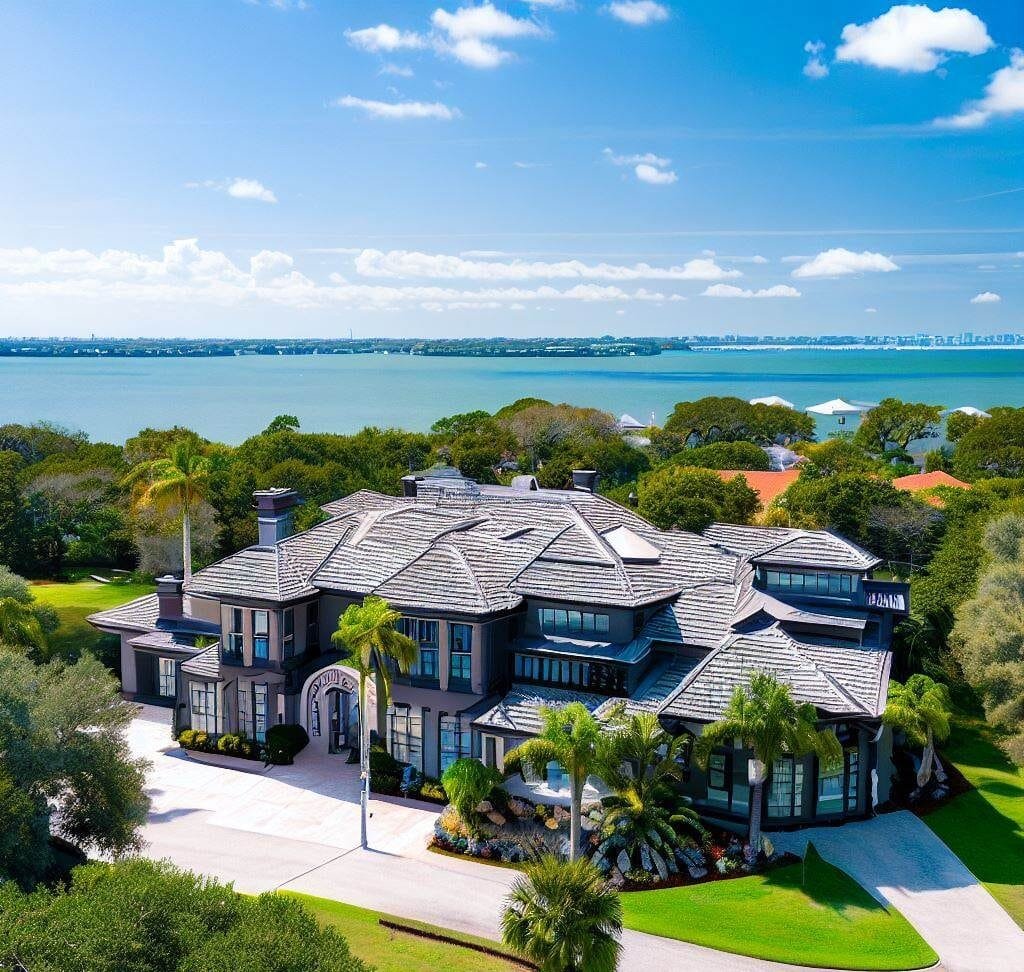
    The architectural design and quality of construction are often overlooked factors that can greatly influence a property’s value. A well-designed property with attention to detail, aesthetic appeal, and functional layout can significantly enhance its value. High-quality construction materials and craftsmanship contribute to the longevity and durability of a property, making it more attractive to potential buyers. Unique architectural features, such as vaulted ceilings, skylights, or panoramic views, can also add a premium value to a property.

    Historical Significance and Cultural Heritage

    Properties with historical significance or cultural heritage carry a unique appeal that goes beyond their physical attributes. Historic homes, landmark buildings, or properties located in heritage neighborhoods have a sense of charm and character that sets them apart. Such properties often have restrictions on renovations or alterations, which ensures the preservation of their historical and cultural value. The scarcity of such properties and their intrinsic value in terms of heritage make them highly desirable and, consequently, more valuable.

    Future Development Potential

    Anticipating future development and growth potential is an important consideration when assessing the value of a property. Areas undergoing urban revitalization or redevelopment projects are likely to experience a surge in property values. For instance, the construction of new infrastructure, business parks, or the expansion of transportation networks can significantly impact property values in the surrounding areas. Investing in properties located in areas with strong growth potential can yield substantial returns in the long run.

    Environmental Factors and Sustainability

    In recent years, environmental factors and sustainability have gained prominence in the real estate market. Properties that incorporate eco-friendly features, such as energy-efficient systems, green building materials, and renewable energy sources, are increasingly sought after. Buyers are not only attracted to the cost-saving benefits of sustainable properties but also their positive impact on the environment. The integration of sustainable practices adds value to a property and positions it as a responsible and forward-thinking investment.

    Security and Safety Measures

    Safety and security are paramount concerns for homeowners and property investors. Properties located in low-crime areas or gated communities tend to command higher prices due to the peace of mind they offer. The presence of security features such as surveillance systems, access controls, and well-lit surroundings also contribute to the overall value of a property. Homebuyers and tenants are willing to pay a premium for properties that prioritize safety and provide a secure living environment.

    Conclusion

    While location remains a crucial factor, it is essential to look beyond it to fully understand the value of a property. Amenities, infrastructure, architectural design, historical significance, future development potential, environmental sustainability, and security measures all contribute to the overall value of a property. Considering these hidden factors when assessing a property’s value can help investors make informed decisions and maximize their returns.

    Here are some additional factors that can affect the value of a property:

    • View: A property with a stunning view, such as a mountain range, the ocean, or a city skyline, can be worth significantly more than a property with no view.
    • Privacy: Buyers are willing to pay a premium for properties that offer privacy, such as those with large lots or those that are set back from the street.
    • Landscaping: Well-maintained landscaping can make a property more attractive and can also add value.
    • Energy efficiency: Properties that are energy-efficient can save buyers money on their utility bills, which can make them more desirable.
    • Pet-friendly features: Properties that are pet-friendly, such as those with fenced-in yards or dog parks nearby, can be more appealing to buyers who have pets.
    • Condo amenities: Condos and townhomes that offer amenities, such as pools, gyms, or parking, can be worth more than those that do not.
    • HOA fees: HOA fees can be a factor in determining the value of a property. Buyers will be less likely to pay a high price for a property with high HOA fees.
    • Taxes: The property taxes on a property can also affect its value. Buyers will be less likely to pay a high price for a property with high property taxes.

    It is important to consider all of these factors when determining the value of a property. By taking the time to assess all of the factors that can affect value, you can make an informed decision about whether or not to purchase a particular property.
  • What is a Green Mortgage? A Complete Guide

    What is a Green Mortgage? A Complete Guide

    Are you planning to buy or renovate a home and want to make it eco-friendly? A green mortgage could be the perfect solution for you. In this article, we will explain what a green mortgage is, how it works, and its benefits.

    Table of Contents

    1. Introduction
    2. What is a Green Mortgage?
    3. How does a Green Mortgage Work?
    4. Types of Green Mortgages
      • Energy-Efficient Mortgages
      • Renewable Energy Mortgages
      • Energy Improvement Mortgages
    5. Benefits of a Green Mortgage
    6. Eligibility Requirements
    7. Green Mortgage vs. Traditional Mortgage
    8. How to Apply for a Green Mortgage?
    9. Challenges of Green Mortgages
    10. Green Mortgage Providers
    11. Conclusion
    12. FAQs

    1. Introduction

    Climate change is one of the biggest challenges facing the world today, and it is important that we all do our part to mitigate its effects. One way to make a positive impact is by making our homes more energy-efficient and environmentally friendly. However, the upfront costs of such improvements can be daunting. This is where a green mortgage comes in.

    2. What is a Green Mortgage?

    A green mortgage is a type of mortgage that is designed to encourage and reward homeowners for making energy-efficient and sustainable upgrades to their homes. It is also known as an energy-efficient mortgage (EEM), a green home loan, or an eco-mortgage.

    3. How does a Green Mortgage Work?

    When you take out a green mortgage, the lender considers the energy efficiency of your home and the cost of the upgrades you plan to make. The lender may provide you with a larger loan amount or offer you more favorable terms if your upgrades will reduce your energy consumption and environmental impact.

    4. Types of Green Mortgages

    There are three types of green mortgages:

    – Energy-Efficient Mortgages

    Energy-efficient mortgages are designed for homebuyers who want to purchase an energy-efficient home or make energy-efficient improvements to their existing home. These mortgages allow borrowers to finance energy-efficient upgrades without increasing their monthly payments.

    – Renewable Energy Mortgages

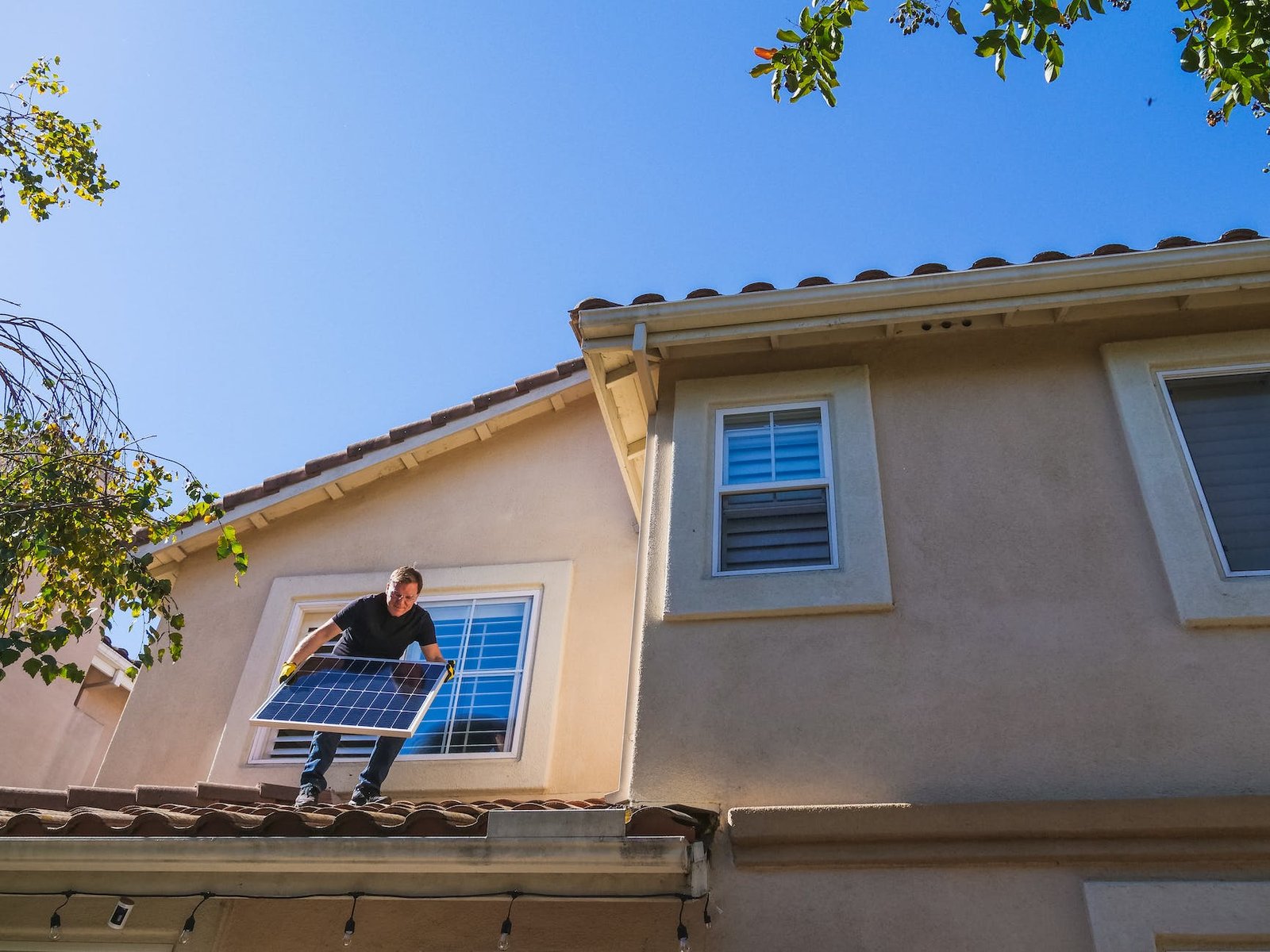
    Renewable energy mortgages are designed for homeowners who want to install renewable energy systems such as solar panels or wind turbines. These mortgages allow borrowers to finance the cost of the system without increasing their monthly payments.

    – Energy Improvement Mortgages

    Energy improvement mortgages are designed for homeowners who want to make energy-efficient upgrades to their homes but do not have the funds to pay for them upfront. These mortgages allow borrowers to finance the cost of the upgrades without increasing their monthly payments.

    5. Benefits of a Green Mortgage

    There are several benefits to getting a green mortgage:

    • Lower utility bills: Energy-efficient upgrades can lower your utility bills and save you money in the long run.
    • Increased home value: Energy-efficient homes are in high demand and can fetch a higher price on the market.
    • Environmental impact: Energy-efficient homes reduce your carbon footprint and help mitigate the effects of climate change.
    • Better health: Energy-efficient homes provide better indoor air quality, which can improve your health.

    6. Eligibility Requirements

    To qualify for a green mortgage, you will need to meet certain eligibility requirements, such as:

    • The energy-efficient improvements must be cost-effective and expected to save you money in the long run.
    • You will need to provide documentation of the energy-efficient upgrades you plan to make.
    • You will need to get a home energy audit to assess the energy efficiency of your home.

    7. Green Mortgage vs. Traditional Mortgage

    A green mortgage is similar to a traditional mortgage in many ways. The main difference is that a green mortgage takes into account the energy efficiency of the home and the cost of the upgrades when determining the loan amount and terms. A traditional mortgage, on the other hand, does not consider these factors.

    8. How to Apply for a Green Mortgage?

    To apply for a green mortgage, you will need to follow these steps:

    1. Determine which type of green mortgage you are interested in (energy-efficient, renewable energy, or energy improvement).
    2. Research green mortgage lenders and compare their rates and terms.
    3. Provide documentation of the energy-efficient upgrades you plan to make.
    4. Get a home energy audit to assess the energy efficiency of your home.
    5. Submit your application and wait for approval.

    9. Challenges of Green Mortgages

    While green mortgages offer many benefits, they also come with some challenges, such as:

    • Limited availability: Green mortgages are not yet widely available and may be harder to find than traditional mortgages.
    • Higher upfront costs: Energy-efficient upgrades can be expensive, and it may take time to recoup the upfront costs through energy savings.
    • Appraisal challenges: Appraisers may not be familiar with the value of energy-efficient upgrades and may not factor them into the appraisal value of the home.

    10. Green Mortgage Providers

    There are several green mortgage providers in the US, including:

    • Fannie Mae’s Energy Efficient Mortgage Program
    • Freddie Mac’s GreenCHOICE Mortgage
    • The Federal Housing Administration’s (FHA) Energy Efficient Mortgage Program
    • The Department of Veterans Affairs’ (VA) Energy Efficient Mortgage Program

    11. Conclusion

    A green mortgage can be a great option for homeowners who want to make their homes more energy-efficient and environmentally friendly. It offers many benefits, such as lower utility bills, increased home value, and a reduced carbon footprint. However, it also comes with some challenges, such as limited availability and higher upfront costs. If you are interested in getting a green mortgage, be sure to research your options and compare rates and terms.

    12. FAQs

    1. Can I get a green mortgage for a new home purchase? Yes, you can get a green mortgage for a new home purchase if the home meets the energy-efficient standards set by the lender.
    2. How much can I borrow with a green mortgage? The loan amount will depend on the energy efficiency of your home and the cost of the upgrades you plan to make.
    3. Do I need to get a home energy audit to qualify for a green mortgage? Yes, you will need to get a home energy audit to assess the energy efficiency of your home and determine which upgrades will be most cost-effective.
    4. What is the difference between an energy-efficient mortgage and a green mortgage? An energy-efficient mortgage is a type of green mortgage that is specifically designed for homebuyers who want to purchase an energy-efficient home or make energy-efficient improvements to their existing home.
    5. Can I get a green mortgage if I have bad credit? It may be more difficult to get a green mortgage with bad credit, but it is still possible. You may need to provide additional documentation or a higher down payment to qualify.

    Here are some sources for more information on green mortgages:

    1. Energy.gov – https://www.energy.gov/eere/articles/green-mortgages-energy-efficient-home-improvements
    2. Federal Housing Administration (FHA) – https://www.hud.gov/program_offices/housing/sfh/eem/energy-r
    3. Fannie Mae – https://www.fanniemae.com/singlefamily/energy-efficient-home-improvements
    4. Freddie Mac – https://www.freddiemac.com/singlefamily/green-financing.html
    5. U.S. Department of Veterans Affairs (VA) – https://www.benefits.va.gov/HOMELOANS/energy-efficient.asp

    These sources provide more detailed information on eligibility requirements, application processes, and the types of energy-efficient upgrades that can be financed through a green mortgage.