
Tag: energy efficiency

  • Homesteading in Tampa: Embrace Sustainable Living in the Sunshine State

    Homesteading in Tampa: Embrace Sustainable Living in the Sunshine State

    Homesteading is more than just a trend—it’s a lifestyle rooted in self-sufficiency, sustainability, and a deep connection to the land. Across the country, people are turning to homesteading to take control of their food, reduce their environmental impact, and live simpler, more intentional lives. And if you’re considering this lifestyle, Tampa, Florida, with its year-round sunshine, fertile soil, and vibrant growing season, is the perfect place to start.

    In this blog post, we’ll explore what homesteading looks like in Tampa, the benefits of embracing this lifestyle, and practical tips to help you get started. Whether you’re a seasoned homesteader or just curious about sustainable living, Tampa’s unique climate and resources make it an ideal place to thrive.


    What is Homesteading?

    At its core, homesteading is about living sustainably and self-sufficiently. It’s about growing your own food, raising animals, using renewable resources, and reducing your reliance on external systems. Homesteaders aim to create a harmonious relationship with nature, blending traditional practices with modern techniques to build a self-sustaining lifestyle. It’s not just about saving money or eating healthier—it’s about reconnecting with the land and living intentionally.


    Why Homestead in Tampa?

    Tampa’s warm climate, abundant sunshine, and fertile soil make it a homesteader’s dream. Here are just a few reasons why Tampa is an ideal place to embrace this lifestyle:

    • Year-Round Growing Season: Tampa’s mild winters and long growing season mean you can cultivate fruits, vegetables, and herbs almost all year. Imagine harvesting fresh tomatoes in December or enjoying homegrown citrus straight from your backyard.
    • Abundant Sunshine: With over 240 sunny days a year, Tampa is perfect for solar energy. Installing solar panels can help you power your home sustainably and reduce your energy bills.
    • Rainwater Harvesting: Tampa’s frequent rainfall provides an excellent opportunity to collect and store rainwater for irrigation, reducing your reliance on municipal water.
    • Community Support: Tampa has a growing community of homesteaders, gardeners, and sustainability enthusiasts. From local workshops to farmers’ markets, there are plenty of resources and support networks to help you on your journey.

    Getting Started with Homesteading in Tampa

    Starting a homestead in Tampa doesn’t have to be overwhelming. Here are some practical steps to help you begin:

    1. Assess Your Space: Whether you have a small backyard or several acres, evaluate your space to determine what’s possible. Even a small plot can support a thriving garden, a few chickens, or a beehive.
    2. Plan Your Homestead: Design your space thoughtfully. Consider factors like sunlight, water access, and proximity to your home. Plan your garden layout, animal housing, and any infrastructure you’ll need.
    3. Check Local Regulations: Some homesteading activities, like raising chickens or installing solar panels, may require permits. Research local laws and ensure you’re in compliance before you start.

    Homesteading Practices for Tampa’s Climate

    Tampa’s warm, humid climate is perfect for a variety of homesteading practices. Here are some ideas to get you started:

    • Organic Gardening: Grow your own fruits, vegetables, and herbs using organic methods. Companion planting, mulching, and composting can help you create a healthy, productive garden. Consider permaculture principles to design a low-maintenance, sustainable food forest.
    • Raising Chickens: Backyard chickens are a great way to produce fresh eggs and natural pest control. Make sure your chickens have proper housing, food, and protection from predators. Check local regulations to see how many chickens you can keep.
    • Rainwater Harvesting: Install rain barrels or cisterns to collect and store rainwater for irrigation. This not only saves water but also reduces your utility bills.
    • Beekeeping: Bees are essential for pollination and can provide delicious honey. Beekeeping is a rewarding addition to any homestead, but make sure to research local regulations and best practices.

    Sustainable Living Tips for Tampa Homesteaders

    Beyond gardening and raising animals, there are many ways to live sustainably on your Tampa homestead:

    • Solar Power: Take advantage of Tampa’s sunshine by installing solar panels. Solar energy can power your home, reduce your carbon footprint, and lower your energy bills.
    • Water Conservation: Use drip irrigation or soaker hoses in your garden to minimize water waste. Indoors, install low-flow fixtures and consider greywater systems to reuse water from sinks and showers.
    • Composting: Turn kitchen scraps and yard waste into nutrient-rich compost to enrich your soil and reduce waste.
    • Food Preservation: Extend the life of your harvest by canning, drying, fermenting, or freezing your produce. This allows you to enjoy homegrown food year-round.

    Challenges of Homesteading in Tampa

    While Tampa’s climate is ideal for homesteading, it does come with its challenges:

    • Pests and Diseases: The warm, humid climate can attract pests and plant diseases. Use natural pest control methods and practice crop rotation to keep your garden healthy.
    • Extreme Weather: Tampa is no stranger to hurricanes, heavy rain, and high temperatures. Prepare your homestead by securing structures, creating drainage systems, and protecting plants and animals during storms.
    • Zoning Laws: Some homesteading activities may be restricted by local zoning laws. Research regulations and obtain any necessary permits before starting.

    Join the Tampa Homesteading Community

    One of the best parts of homesteading in Tampa is the sense of community. There are plenty of local groups, workshops, and events where you can connect with like-minded individuals. Whether you’re swapping seeds, sharing tips, or collaborating on projects, the Tampa homesteading community is a valuable resource for support and inspiration.


    Final Thoughts

    Homesteading in Tampa is more than just a lifestyle—it’s a way to reconnect with nature, live sustainably, and build a more self-sufficient future. By taking advantage of Tampa’s abundant resources, adopting eco-friendly practices, and joining a supportive community, you can create a thriving homestead that benefits both you and the environment.

    So, whether you’re dreaming of a backyard garden, a flock of chickens, or a solar-powered home, there’s no better time to start your homesteading journey in Tampa. The Sunshine State is waiting to help you grow, thrive, and live sustainably. Happy homesteading!
  • What is a Green Mortgage? A Complete Guide

    What is a Green Mortgage? A Complete Guide

    Are you planning to buy or renovate a home and want to make it eco-friendly? A green mortgage could be the perfect solution for you. In this article, we will explain what a green mortgage is, how it works, and its benefits.

    Table of Contents

    1. Introduction
    2. What is a Green Mortgage?
    3. How does a Green Mortgage Work?
    4. Types of Green Mortgages
      • Energy-Efficient Mortgages
      • Renewable Energy Mortgages
      • Energy Improvement Mortgages
    5. Benefits of a Green Mortgage
    6. Eligibility Requirements
    7. Green Mortgage vs. Traditional Mortgage
    8. How to Apply for a Green Mortgage?
    9. Challenges of Green Mortgages
    10. Green Mortgage Providers
    11. Conclusion
    12. FAQs

    1. Introduction

    Climate change is one of the biggest challenges facing the world today, and it is important that we all do our part to mitigate its effects. One way to make a positive impact is by making our homes more energy-efficient and environmentally friendly. However, the upfront costs of such improvements can be daunting. This is where a green mortgage comes in.

    2. What is a Green Mortgage?

    A green mortgage is a type of mortgage that is designed to encourage and reward homeowners for making energy-efficient and sustainable upgrades to their homes. It is also known as an energy-efficient mortgage (EEM), a green home loan, or an eco-mortgage.

    3. How does a Green Mortgage Work?

    When you take out a green mortgage, the lender considers the energy efficiency of your home and the cost of the upgrades you plan to make. The lender may provide you with a larger loan amount or offer you more favorable terms if your upgrades will reduce your energy consumption and environmental impact.

    4. Types of Green Mortgages

    There are three types of green mortgages:

    – Energy-Efficient Mortgages

    Energy-efficient mortgages are designed for homebuyers who want to purchase an energy-efficient home or make energy-efficient improvements to their existing home. These mortgages allow borrowers to finance energy-efficient upgrades without increasing their monthly payments.

    – Renewable Energy Mortgages

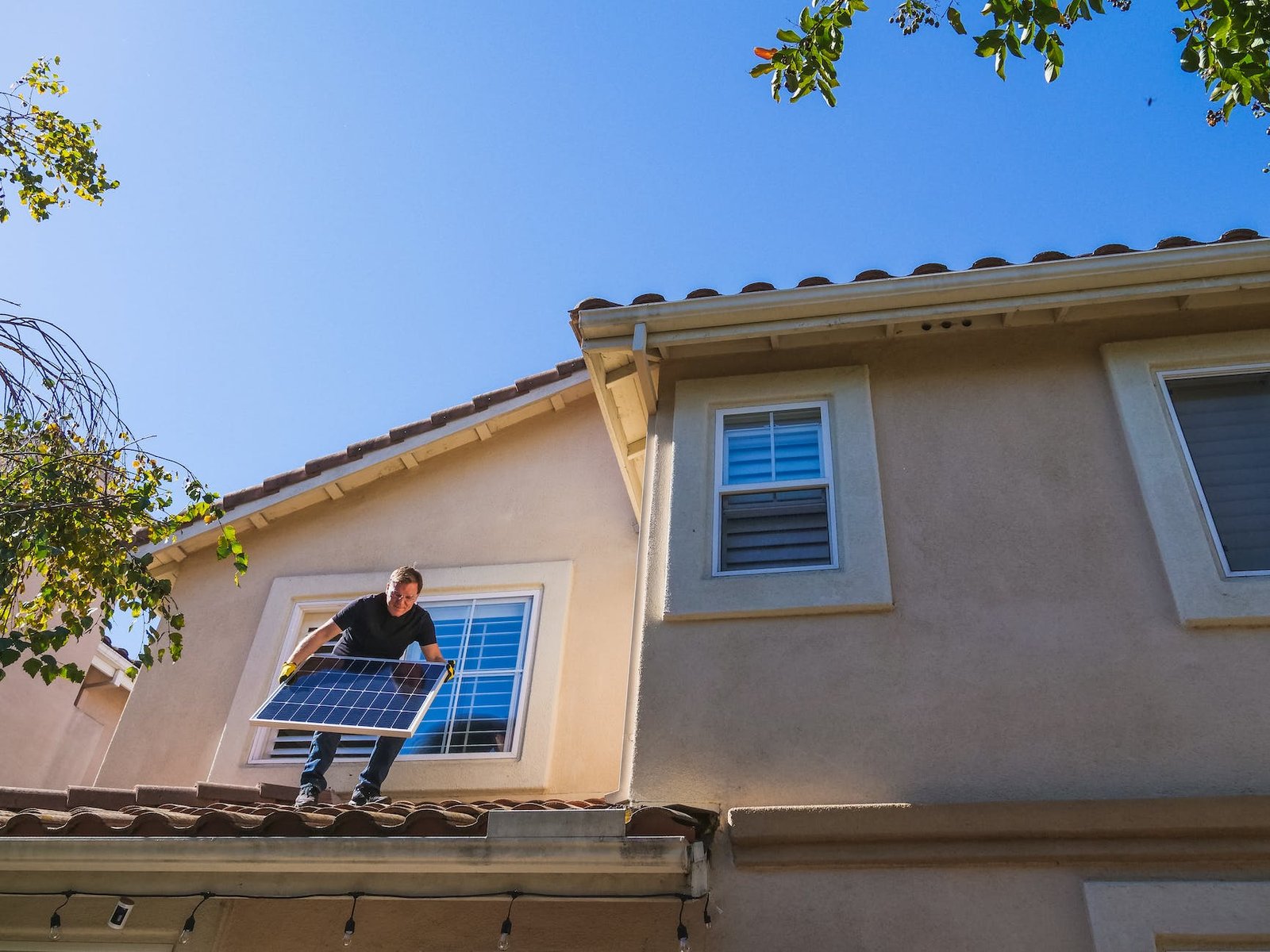
    Renewable energy mortgages are designed for homeowners who want to install renewable energy systems such as solar panels or wind turbines. These mortgages allow borrowers to finance the cost of the system without increasing their monthly payments.

    – Energy Improvement Mortgages

    Energy improvement mortgages are designed for homeowners who want to make energy-efficient upgrades to their homes but do not have the funds to pay for them upfront. These mortgages allow borrowers to finance the cost of the upgrades without increasing their monthly payments.

    5. Benefits of a Green Mortgage

    There are several benefits to getting a green mortgage:

    • Lower utility bills: Energy-efficient upgrades can lower your utility bills and save you money in the long run.
    • Increased home value: Energy-efficient homes are in high demand and can fetch a higher price on the market.
    • Environmental impact: Energy-efficient homes reduce your carbon footprint and help mitigate the effects of climate change.
    • Better health: Energy-efficient homes provide better indoor air quality, which can improve your health.

    6. Eligibility Requirements

    To qualify for a green mortgage, you will need to meet certain eligibility requirements, such as:

    • The energy-efficient improvements must be cost-effective and expected to save you money in the long run.
    • You will need to provide documentation of the energy-efficient upgrades you plan to make.
    • You will need to get a home energy audit to assess the energy efficiency of your home.

    7. Green Mortgage vs. Traditional Mortgage

    A green mortgage is similar to a traditional mortgage in many ways. The main difference is that a green mortgage takes into account the energy efficiency of the home and the cost of the upgrades when determining the loan amount and terms. A traditional mortgage, on the other hand, does not consider these factors.

    8. How to Apply for a Green Mortgage?

    To apply for a green mortgage, you will need to follow these steps:

    1. Determine which type of green mortgage you are interested in (energy-efficient, renewable energy, or energy improvement).
    2. Research green mortgage lenders and compare their rates and terms.
    3. Provide documentation of the energy-efficient upgrades you plan to make.
    4. Get a home energy audit to assess the energy efficiency of your home.
    5. Submit your application and wait for approval.

    9. Challenges of Green Mortgages

    While green mortgages offer many benefits, they also come with some challenges, such as:

    • Limited availability: Green mortgages are not yet widely available and may be harder to find than traditional mortgages.
    • Higher upfront costs: Energy-efficient upgrades can be expensive, and it may take time to recoup the upfront costs through energy savings.
    • Appraisal challenges: Appraisers may not be familiar with the value of energy-efficient upgrades and may not factor them into the appraisal value of the home.

    10. Green Mortgage Providers

    There are several green mortgage providers in the US, including:

    • Fannie Mae’s Energy Efficient Mortgage Program
    • Freddie Mac’s GreenCHOICE Mortgage
    • The Federal Housing Administration’s (FHA) Energy Efficient Mortgage Program
    • The Department of Veterans Affairs’ (VA) Energy Efficient Mortgage Program

    11. Conclusion

    A green mortgage can be a great option for homeowners who want to make their homes more energy-efficient and environmentally friendly. It offers many benefits, such as lower utility bills, increased home value, and a reduced carbon footprint. However, it also comes with some challenges, such as limited availability and higher upfront costs. If you are interested in getting a green mortgage, be sure to research your options and compare rates and terms.

    12. FAQs

    1. Can I get a green mortgage for a new home purchase? Yes, you can get a green mortgage for a new home purchase if the home meets the energy-efficient standards set by the lender.
    2. How much can I borrow with a green mortgage? The loan amount will depend on the energy efficiency of your home and the cost of the upgrades you plan to make.
    3. Do I need to get a home energy audit to qualify for a green mortgage? Yes, you will need to get a home energy audit to assess the energy efficiency of your home and determine which upgrades will be most cost-effective.
    4. What is the difference between an energy-efficient mortgage and a green mortgage? An energy-efficient mortgage is a type of green mortgage that is specifically designed for homebuyers who want to purchase an energy-efficient home or make energy-efficient improvements to their existing home.
    5. Can I get a green mortgage if I have bad credit? It may be more difficult to get a green mortgage with bad credit, but it is still possible. You may need to provide additional documentation or a higher down payment to qualify.

    Here are some sources for more information on green mortgages:

    1. Energy.gov – https://www.energy.gov/eere/articles/green-mortgages-energy-efficient-home-improvements
    2. Federal Housing Administration (FHA) – https://www.hud.gov/program_offices/housing/sfh/eem/energy-r
    3. Fannie Mae – https://www.fanniemae.com/singlefamily/energy-efficient-home-improvements
    4. Freddie Mac – https://www.freddiemac.com/singlefamily/green-financing.html
    5. U.S. Department of Veterans Affairs (VA) – https://www.benefits.va.gov/HOMELOANS/energy-efficient.asp

    These sources provide more detailed information on eligibility requirements, application processes, and the types of energy-efficient upgrades that can be financed through a green mortgage.