
Tag: costs

  • The Pros and Cons of Owning a House with Land

    The Pros and Cons of Owning a House with Land

    Introduction

    In the realm of real estate, owning a house with land offers unique advantages and disadvantages. The decision to invest in a property with ample land requires careful consideration of various factors. In this article, we will delve into the pros and cons of owning a house with land, providing you with valuable insights to aid in your decision-making process.

    Pros of Owning a House with Land

    1. Privacy and Space

    One of the primary advantages of owning a house with land is the increased privacy and space it provides. Unlike living in a densely populated urban area, where neighboring properties may be close by, a house with land offers a sense of seclusion. You have the freedom to create a tranquil oasis, enjoy outdoor activities, and host gatherings without being constrained by limited space.

    2. Potential for Expansion and Customization

    When you own land, you have the potential for future expansion and customization. This can be particularly appealing if you have long-term plans or envision additional construction projects such as building an outdoor pool, a garden shed, or even expanding the main structure. With adequate land, you can bring your ideas to life and adapt the property to suit your changing needs.

    3. Investment and Appreciation

    Land is often considered a valuable investment. While housing markets may fluctuate, land generally appreciates over time, especially in desirable locations. By owning a house with land, you not only have a place to call home but also a tangible asset that can appreciate in value, potentially providing a favorable return on investment should you decide to sell in the future.

    4. Gardening and Agriculture Opportunities

    Having land offers exciting opportunities for gardening and agriculture. If you have a green thumb or aspire to grow your own food, owning a house with land allows you to establish a garden or even a small-scale farm. You can enjoy the benefits of organic produce, embrace sustainability, and experience the satisfaction of nurturing plants or raising animals.

    5. Flexibility and Freedom

    Owning a house with land provides a sense of freedom and flexibility. You have the autonomy to make decisions regarding the property without the restrictions imposed by homeowners’ associations or neighbors in close proximity. Whether you want to host outdoor events, install recreational amenities, or simply enjoy the tranquility of your surroundings, owning land offers the freedom to live life on your terms.

    Cons of Owning a House with Land

    1. Increased Maintenance and Upkeep

    With the advantages of land ownership come increased responsibilities for maintenance and upkeep. Larger properties require more time, effort, and resources to maintain compared to smaller, urban dwellings. The landscaping, gardening, and general maintenance tasks may demand additional attention and expenses. It’s essential to consider whether you have the means and willingness to handle these extra responsibilities.

    2. Higher Costs

    Owning a house with land often comes with higher costs, both initially and in the long run. The initial purchase price of a property with land tends to be higher than that of a comparable home without land. Additionally, ongoing expenses such as property taxes, utility bills, and insurance may be greater due to the larger size of the property. It’s crucial to assess your financial capabilities and ensure that owning a house with land fits within your budget.

    3. Distance and Commute

    Depending on the location of the property, owning a house with land may mean living further away from urban centers or essential amenities. If you value the convenience of living in close proximity to schools, workplaces, or shopping centers, the distance and commute associated with owning land may be a significant drawback. Consider your lifestyle preferences and the practicality of commuting before deciding on a property with land.

    4. Potential for Zoning and Development Restrictions

    When purchasing a house with land, it’s crucial to be aware of any zoning regulations and potential development restrictions that may apply. Certain areas have specific zoning laws that dictate land use, such as residential, commercial, or agricultural purposes. Understanding these restrictions is important, as they may limit your options for future development or use of the land. Conduct thorough research and consult with local authorities to ensure your plans align with the zoning regulations in place.

    5. Time and Effort for Land Management

    Owning a house with land requires dedicated time and effort for land management. Depending on the size and terrain of the property, tasks such as mowing, landscaping, and pest control can be more demanding compared to maintaining a smaller yard. Additionally, if you decide to engage in gardening or agriculture, it involves regular care, including planting, watering, and harvesting. Consider whether you have the resources and commitment to manage the land effectively.

    6. Potential Environmental Challenges

    Properties with land may face unique environmental challenges that need to be taken into account. For instance, if the land is located in an area prone to natural disasters like floods or wildfires, it may pose risks to the property and its occupants. Conduct a thorough assessment of the potential environmental challenges specific to the location and consider appropriate precautions or mitigation measures.

    7. Limited Accessibility to Amenities

    In some cases, owning a house with land may mean limited accessibility to amenities and services. If the property is located in a rural area, it might be farther away from hospitals, schools, shopping centers, or recreational facilities. This can result in longer travel times and limited convenience for daily activities. Assess your lifestyle preferences and consider the trade-offs between the benefits of land ownership and accessibility to essential amenities.

    Conclusion

    Owning a house with land offers a range of advantages and disadvantages that must be carefully evaluated. The increased privacy, potential for expansion, investment opportunities, and gardening prospects are enticing benefits. However, it’s essential to consider the higher costs, increased maintenance, potential restrictions, and limited accessibility associated with land ownership. By weighing these pros and cons, you can make an informed decision that aligns with your lifestyle, financial capacity, and long-term goals.

    Remember, each individual’s preferences and circumstances differ, so what works for one person may not work for another. Take the time to thoroughly assess your needs and priorities before committing to a property with land. With proper planning, research, and consideration, you can make a sound investment and create a fulfilling living environment that aligns with your vision.

    So, whether you’re seeking privacy, envisioning future expansions, or aspiring to embrace a greener lifestyle, owning a house with land can provide you with unique opportunities to create a space that truly feels like home.
  • The Pros and Cons of Buying a New Build

    The Pros and Cons of Buying a New Build

    1. Introduction
    2. Pros of Buying a New Build
      • Modern and Energy-Efficient Features
      • Customization Options
      • Reduced Maintenance Costs
      • Warranty and Guarantees
      • Access to Amenities
    3. Cons of Buying a New Build
      • Higher Initial Cost
      • Potential for Delays and Issues
      • Limited Character and Charm
      • Lack of Established Neighborhood
      • Potential for Changes in Property Value
    4. Factors to Consider Before Buying a New Build
      • Location and Surrounding Area
      • Builder’s Reputation and Track Record
      • Quality of Construction and Materials
      • Future Development Plans
      • Financing Options and Affordability
    5. Conclusion
    6. FAQs

    Are you in the market for a new home? If so, you may be considering the option of buying a new build. With the demand for new homes on the rise, especially in growing urban areas, new build properties are becoming a popular choice for many homebuyers. However, as with any major financial decision, there are both pros and cons to buying a new build. In this article, we will explore the advantages and disadvantages of purchasing a new build home, so you can make an informed decision that aligns with your needs and preferences.

    Pros of Buying a New Build

    Modern and Energy-Efficient Features

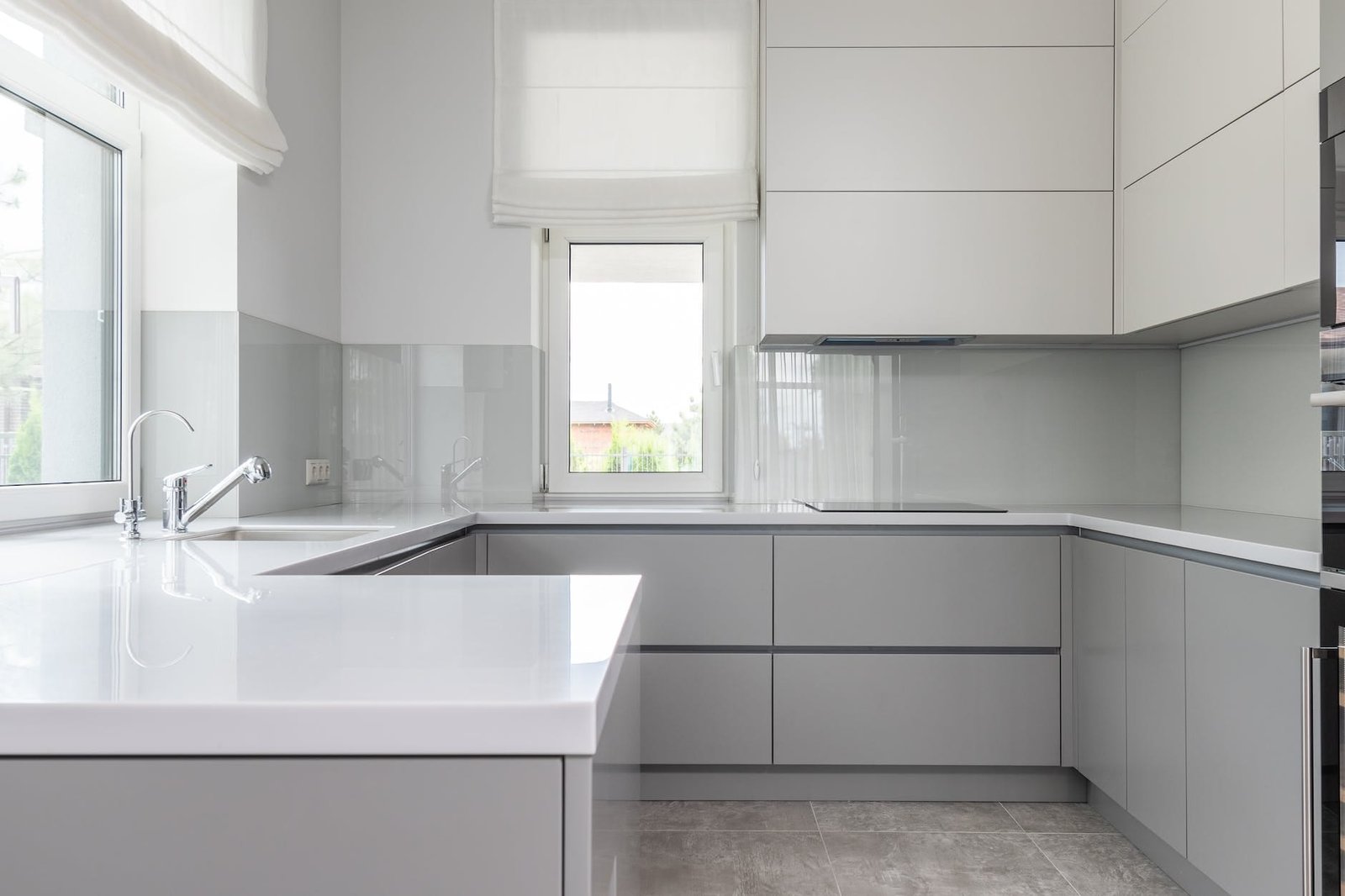
    One of the main advantages of buying a new build is the inclusion of modern and energy-efficient features. New build homes are typically designed with the latest building materials and construction techniques, which often result in better insulation, improved energy efficiency, and reduced utility bills. These homes may also come with advanced technology, such as smart home systems, which can enhance your living experience and add convenience to your daily life.

    Customization Options

    Another benefit of buying a new build is the opportunity to customize your home. Many builders offer various customization options, allowing you to personalize your living space to suit your style and preferences. From choosing the floor plan and finishes to selecting upgrades and extras, you have more flexibility in creating a home that reflects your unique taste and lifestyle.

    Reduced Maintenance Costs

    New build homes are typically designed with low-maintenance materials and systems, which can result in reduced maintenance costs compared to older properties. With a new build, you are less likely to encounter issues such as leaking roofs, faulty plumbing, or outdated electrical systems, which can save you both time and money in the long run. Additionally, new build homes often come with warranties and guarantees, providing you with added peace of mind and protection against unexpected repair costs.

    Warranty and Guarantees

    Most new build homes come with warranties and guarantees from the builder, covering various aspects of the property, such as structural defects, appliances, and installations. These warranties can give you reassurance that your investment is protected and provide you with recourse in case of any issues that may arise after the purchase. However, it’s essential to carefully review the terms and conditions of the warranties and understand what is covered and for how long.

    Access to Amenities

    New build homes are often part of planned developments or communities that offer a range of amenities and facilities for residents. These may include parks, playgrounds, fitness centers, swimming pools, and community spaces. Living in a new build development can provide you with access to these amenities, which can enhance your quality of life and create a sense of community and belonging.

    Cons of Buying a New Build

    Higher Initial Cost

    One of the main drawbacks of buying a new build is the higher initial cost compared to older properties. New build homes tend to be priced higher due to the inclusion of modern features, customization options, and the cost of construction. This can make it challenging for some homebuyers, especially those on a tight budget or first-time buyers, to afford a new build property. It’s essential to carefully evaluate your budget and financial situation before committing to a new build purchase and ensure that it aligns with your long-term financial goals.

    Potential for Delays and Issues

    Another potential downside of buying a new build is the possibility of delays and issues during the construction process. Construction timelines can sometimes be extended due to unforeseen circumstances, such as weather conditions, labor shortages, or permit delays. This can disrupt your plans and timeline for moving into your new home, causing inconvenience and frustration. Additionally, new build homes may also encounter construction-related issues or defects, which may require further attention and rectification.

    Limited Character and Charm

    While new build homes often offer modern and updated features, they may lack the character and charm that older properties may have. Older homes may have unique architectural details, historical significance, or established landscaping that adds to their charm and appeal. New builds, on the other hand, may have a more uniform and standardized design, which may not appeal to those who appreciate individuality and character in a home.

    Lack of Established Neighborhood

    Another potential downside of buying a new build is the lack of an established neighborhood. New build developments are often located in emerging areas or on the outskirts of cities, which may not have the same sense of community and amenities as established neighborhoods. It may take time for the surrounding area to develop, and you may have to wait for amenities such as schools, shopping centers, or public transportation to be established. This may impact your lifestyle and convenience, depending on your needs and preferences.

    Potential for Changes in Property Value

    New build properties are subject to changes in property value, just like any other type of real estate. While new builds may initially hold their value well due to their modern features and warranties, changes in the local housing market, economic conditions, or neighborhood developments can impact the property’s value over time. It’s essential to carefully research and consider the potential for changes in property value before buying a new build and make sure it aligns with your long-term investment goals.

    Factors to Consider Before Buying a New Build

    Before deciding to buy a new build, there are several factors you should carefully consider to ensure that it’s the right choice for you. Some of the essential factors to evaluate include:

    Location and Surrounding Area

    The location of the new build development is crucial to consider. Evaluate factors such as proximity to your workplace, schools, transportation, amenities, and future development plans. Research the neighborhood and surrounding area to determine if it aligns with your lifestyle, preferences, and long-term plans.

    Builder’s Reputation and Track Record

    The reputation and track record of the builder of the new build development are vital to consider. Research the builder’s history, experience, and customer reviews to gauge their reliability, quality of construction, and after-sales service. It’s crucial to choose a reputable and reliable builder to ensure that your investment is protected.

    Quality of Construction and Materials

    The quality of construction and materials used in the new build development is crucial to evaluate. Look for features such as energy-efficient insulation, durable materials, and modern construction techniques. Consider hiring a professional home inspector to assess the quality of construction and identify any potential issues.

    Future Development Plans

    Research the future development plans for the new build development and the surrounding area. Consider factors such as potential changes in property value, future amenities, infrastructure projects, or zoning changes that may impact the area’s development and livability in the long run.

    Financing Options and Affordability

    Evaluate your financing options and affordability before buying a new build. Consider factors such as down payment requirements, mortgage rates, and ongoing costs such as property taxes, HOA fees, and maintenance costs. Make sure you have a clear understanding of your budget and financial capabilities to afford a new build purchase comfortably.

    Builder’s Warranties and After-Sales Service

    One of the advantages of buying a new build is the builder’s warranties and after-sales service. Research the warranties provided by the builder, including structural warranties, appliance warranties, and workmanship warranties. Additionally, inquire about the builder’s after-sales service and responsiveness to address any issues or concerns after the purchase.

    Amenities and Features

    New build homes often come with modern amenities and features that can enhance your lifestyle. Consider the amenities offered in the development, such as parks, community centers, pools, or fitness facilities. Also, evaluate the features of the new build home itself, such as smart home technology, energy-efficient appliances, and updated design elements that can provide convenience and comfort.

    Long-Term Investment Potential

    Evaluate the long-term investment potential of buying a new build. Research the local housing market trends, economic conditions, and future development plans to assess the potential appreciation in property value. Consider the location, quality of construction, and amenities offered in the new build development to determine its investment potential in the long run.

    Conclusion

    Buying a new build home has its pros and cons, and it’s essential to carefully evaluate your needs, budget, and long-term goals before making a decision. New builds offer modern features, warranties, and potential for long-term investment, but they may also come with downsides such as higher costs, potential delays, and lack of character. Consider all the factors discussed above, do thorough research, and consult with professionals if needed to make an informed decision.

    FAQs

    1. Are new build homes more expensive than older properties?

    New build homes tend to be priced higher than older properties due to their modern features and warranties. However, it’s crucial to carefully evaluate your budget and financial capabilities before committing to a new build purchase.

    1. Can I negotiate the price of a new build home?

    In some cases, there may be room for negotiation with the builder on the price of a new build home. It’s worth exploring the possibility and working with a real estate agent who has experience in new build transactions.

    1. What should I look for in a reputable builder for a new build?

    When evaluating a builder for a new build, consider their reputation, track record, customer reviews, quality of construction, and after-sales service. It’s important to choose a reputable and reliable builder to ensure a smooth home buying experience.

    1. Are new build homes more energy-efficient?

    New build homes often come with energy-efficient features such as insulation, appliances, and construction techniques. However, it’s essential to research and verify the specific energy-efficient features offered by the builder.

    1. Can I customize a new build home to my preferences?

    Some builders may offer customization options for new build homes, while others may have pre-set designs and finishes. It’s important to inquire with the builder about customization options and associated costs, if any, before committing to a new build purchase.