Tag: Community

  • The Airbnb Effect: How Short-Term Rentals Are Impacting Housing Markets and Communities

    The Airbnb Effect: How Short-Term Rentals Are Impacting Housing Markets and Communities

    Introduction:

    The rise of Airbnb and other short-term rental platforms has had a significant impact on housing markets and communities around the world. This phenomenon, known as the “Airbnb effect,” has been met with mixed reactions, with some arguing that it has positive economic benefits while others worry about its negative consequences, such as driving up housing prices and displacing local residents.

    Airbnb Effect: Why Second Homes Are on the Rise

    The Airbnb effect has contributed to a significant increase in the number of second homes. This is due to a number of factors, including:

    • The appeal of supplementary income: Property owners can earn extra money by renting out their homes on a short-term basis.
    • The growing popularity of travel: More people are traveling than ever before, and many of them are looking for alternative accommodation options to hotels.
    • The convenience of online listings: It is now easier than ever to list a property on a short-term rental platform.

    The Divisive Impact on Housing Prices

    One of the most controversial aspects of the Airbnb effect is its impact on housing prices. Some studies have found that short-term rentals can lead to higher housing prices, as they reduce the supply of long-term rental housing. This can make it more difficult for people to afford to live in a particular area.

    Displacement of Locals

    Another concern about the Airbnb effect is that it can displace local residents. This is because short-term rentals can make it more difficult for people to find affordable housing in their own communities. As a result, some locals may be forced to move to other areas.

    Boosting the Economy

    Despite the concerns about the Airbnb effect, there are also some positive consequences. For example, short-term rentals can boost the local economy by generating revenue for businesses and creating jobs. Additionally, they can provide tourists with a more authentic and personalized travel experience.

    Conclusion

    The Airbnb effect is a complex issue with both positive and negative consequences. It is important to weigh the pros and cons carefully before making a decision about whether or not to participate in short-term rentals. Ultimately, the best way to manage the Airbnb effect is through thoughtful regulation and community engagement.

    Q: How can the Airbnb effect impact real estate investors?

    A: The Airbnb effect can have a significant impact on real estate investors, both positive and negative. On the one hand, short-term rentals can provide a new source of income for investors. On the other hand, they can also drive up housing prices and displace local residents, which can make it more difficult to find tenants for long-term rentals.

    Q: What are the pros and cons of investing in an Airbnb property?

    A: The pros of investing in an Airbnb property include:

    • The potential for high returns: Short-term rentals can often command higher nightly rates than long-term rentals.
    • The ability to generate income year-round: Short-term rentals can be rented out even during the off-season, when long-term rentals may be vacant.
    • The potential for tax benefits: Investors may be able to deduct certain expenses related to their Airbnb property, such as mortgage interest and property taxes.

    The cons of investing in an Airbnb property include:

    • The risk of property damage: Short-term renters may be more likely to damage a property than long-term renters.
    • The need for more active management: Airbnb properties require more active management than long-term rentals, as they need to be cleaned and prepared for guests more frequently.
    • The potential for regulatory challenges: Some cities and towns have imposed restrictions on short-term rentals, which could impact the profitability of an Airbnb investment.

    Q: What factors should real estate investors consider before investing in an Airbnb property?

    A: Real estate investors should consider the following factors before investing in an Airbnb property:

    • The location of the property: The location of the property is one of the most important factors to consider, as it will affect the demand for short-term rentals.
    • The type of property: The type of property will also affect the demand for short-term rentals. For example, a beachfront condo or a vacation home in a popular ski resort will be more in demand than a small apartment in a city.
    • The regulations in the area: Real estate investors should also carefully research the regulations in the area where they are considering investing. Some cities and towns have imposed restrictions on short-term rentals, which could impact the profitability of an Airbnb investment.

    Q: How can real estate investors mitigate the risks associated with investing in an Airbnb property?

    A: There are a number of ways that real estate investors can mitigate the risks associated with investing in an Airbnb property, including:

    • Choosing a property in a desirable location: This will help to ensure that there is a demand for short-term rentals.
    • Getting professional advice: Real estate investors should consult with a lawyer and accountant to ensure that they are aware of all of the legal and tax implications of investing in an Airbnb property.
    • Purchasing insurance: Real estate investors should purchase insurance to protect themselves against the risk of property damage or liability claims.
    • Managing the property carefully: Real estate investors should carefully manage the property to minimize the risk of damage and to ensure that guests have a positive experience.

  • Homesteading in Tampa: Embrace Sustainable Living in the Sunshine State

    Homesteading in Tampa: Embrace Sustainable Living in the Sunshine State

    Homesteading is more than just a trend—it’s a lifestyle rooted in self-sufficiency, sustainability, and a deep connection to the land. Across the country, people are turning to homesteading to take control of their food, reduce their environmental impact, and live simpler, more intentional lives. And if you’re considering this lifestyle, Tampa, Florida, with its year-round sunshine, fertile soil, and vibrant growing season, is the perfect place to start.

    In this blog post, we’ll explore what homesteading looks like in Tampa, the benefits of embracing this lifestyle, and practical tips to help you get started. Whether you’re a seasoned homesteader or just curious about sustainable living, Tampa’s unique climate and resources make it an ideal place to thrive.


    What is Homesteading?

    At its core, homesteading is about living sustainably and self-sufficiently. It’s about growing your own food, raising animals, using renewable resources, and reducing your reliance on external systems. Homesteaders aim to create a harmonious relationship with nature, blending traditional practices with modern techniques to build a self-sustaining lifestyle. It’s not just about saving money or eating healthier—it’s about reconnecting with the land and living intentionally.


    Why Homestead in Tampa?

    Tampa’s warm climate, abundant sunshine, and fertile soil make it a homesteader’s dream. Here are just a few reasons why Tampa is an ideal place to embrace this lifestyle:

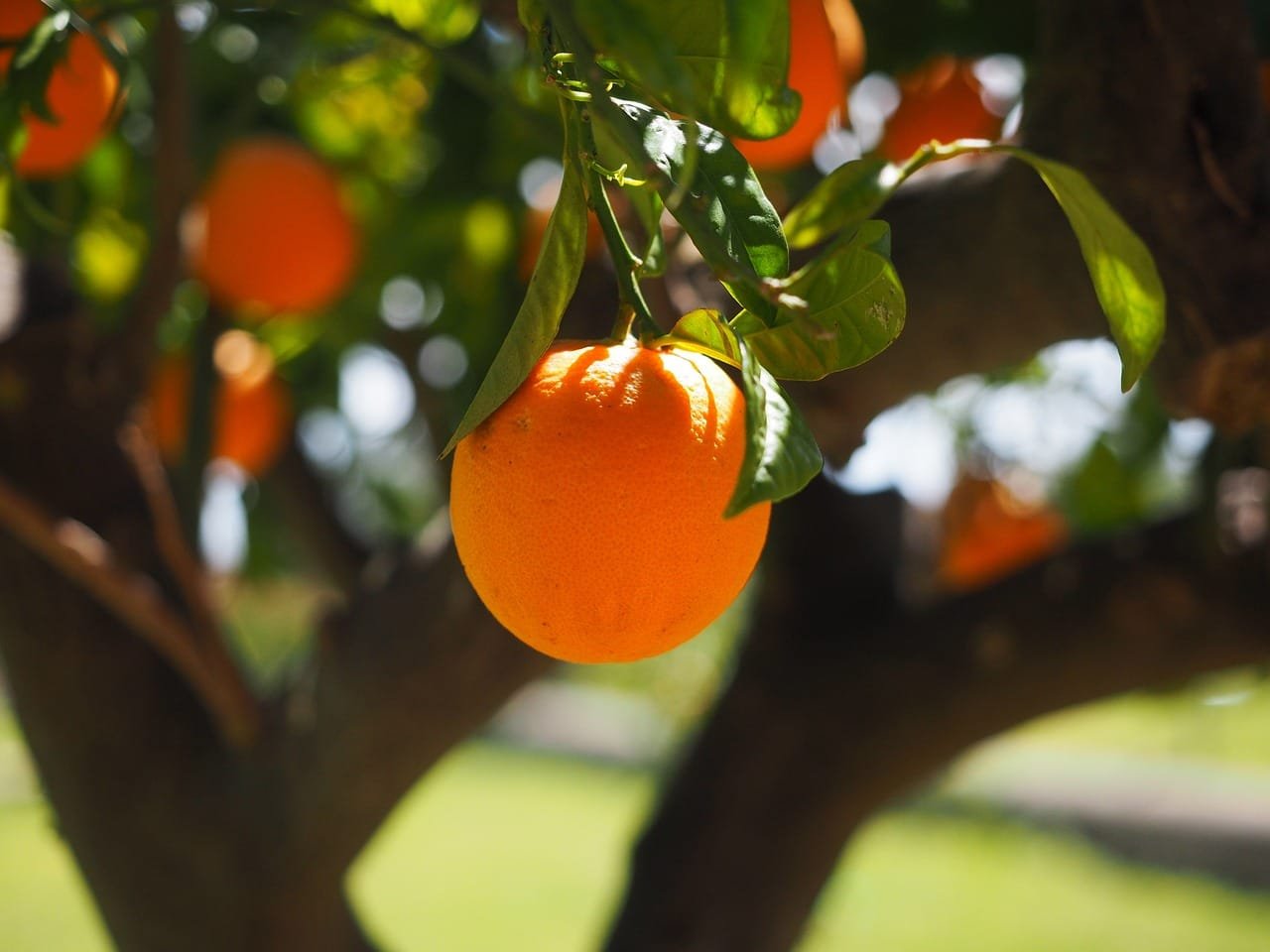
    • Year-Round Growing Season: Tampa’s mild winters and long growing season mean you can cultivate fruits, vegetables, and herbs almost all year. Imagine harvesting fresh tomatoes in December or enjoying homegrown citrus straight from your backyard.
    • Abundant Sunshine: With over 240 sunny days a year, Tampa is perfect for solar energy. Installing solar panels can help you power your home sustainably and reduce your energy bills.
    • Rainwater Harvesting: Tampa’s frequent rainfall provides an excellent opportunity to collect and store rainwater for irrigation, reducing your reliance on municipal water.
    • Community Support: Tampa has a growing community of homesteaders, gardeners, and sustainability enthusiasts. From local workshops to farmers’ markets, there are plenty of resources and support networks to help you on your journey.

    Getting Started with Homesteading in Tampa

    Starting a homestead in Tampa doesn’t have to be overwhelming. Here are some practical steps to help you begin:

    1. Assess Your Space: Whether you have a small backyard or several acres, evaluate your space to determine what’s possible. Even a small plot can support a thriving garden, a few chickens, or a beehive.
    2. Plan Your Homestead: Design your space thoughtfully. Consider factors like sunlight, water access, and proximity to your home. Plan your garden layout, animal housing, and any infrastructure you’ll need.
    3. Check Local Regulations: Some homesteading activities, like raising chickens or installing solar panels, may require permits. Research local laws and ensure you’re in compliance before you start.

    Homesteading Practices for Tampa’s Climate

    Tampa’s warm, humid climate is perfect for a variety of homesteading practices. Here are some ideas to get you started:

    • Organic Gardening: Grow your own fruits, vegetables, and herbs using organic methods. Companion planting, mulching, and composting can help you create a healthy, productive garden. Consider permaculture principles to design a low-maintenance, sustainable food forest.
    • Raising Chickens: Backyard chickens are a great way to produce fresh eggs and natural pest control. Make sure your chickens have proper housing, food, and protection from predators. Check local regulations to see how many chickens you can keep.
    • Rainwater Harvesting: Install rain barrels or cisterns to collect and store rainwater for irrigation. This not only saves water but also reduces your utility bills.
    • Beekeeping: Bees are essential for pollination and can provide delicious honey. Beekeeping is a rewarding addition to any homestead, but make sure to research local regulations and best practices.

    Sustainable Living Tips for Tampa Homesteaders

    Beyond gardening and raising animals, there are many ways to live sustainably on your Tampa homestead:

    • Solar Power: Take advantage of Tampa’s sunshine by installing solar panels. Solar energy can power your home, reduce your carbon footprint, and lower your energy bills.
    • Water Conservation: Use drip irrigation or soaker hoses in your garden to minimize water waste. Indoors, install low-flow fixtures and consider greywater systems to reuse water from sinks and showers.
    • Composting: Turn kitchen scraps and yard waste into nutrient-rich compost to enrich your soil and reduce waste.
    • Food Preservation: Extend the life of your harvest by canning, drying, fermenting, or freezing your produce. This allows you to enjoy homegrown food year-round.

    Challenges of Homesteading in Tampa

    While Tampa’s climate is ideal for homesteading, it does come with its challenges:

    • Pests and Diseases: The warm, humid climate can attract pests and plant diseases. Use natural pest control methods and practice crop rotation to keep your garden healthy.
    • Extreme Weather: Tampa is no stranger to hurricanes, heavy rain, and high temperatures. Prepare your homestead by securing structures, creating drainage systems, and protecting plants and animals during storms.
    • Zoning Laws: Some homesteading activities may be restricted by local zoning laws. Research regulations and obtain any necessary permits before starting.

    Join the Tampa Homesteading Community

    One of the best parts of homesteading in Tampa is the sense of community. There are plenty of local groups, workshops, and events where you can connect with like-minded individuals. Whether you’re swapping seeds, sharing tips, or collaborating on projects, the Tampa homesteading community is a valuable resource for support and inspiration.


    Final Thoughts

    Homesteading in Tampa is more than just a lifestyle—it’s a way to reconnect with nature, live sustainably, and build a more self-sufficient future. By taking advantage of Tampa’s abundant resources, adopting eco-friendly practices, and joining a supportive community, you can create a thriving homestead that benefits both you and the environment.

    So, whether you’re dreaming of a backyard garden, a flock of chickens, or a solar-powered home, there’s no better time to start your homesteading journey in Tampa. The Sunshine State is waiting to help you grow, thrive, and live sustainably. Happy homesteading!

  • The Benefits of Owning a Home with Land

    The Benefits of Owning a Home with Land

    In today’s fast-paced world, owning a home with land has become a cherished dream for many. The allure of having your own property, with ample space to call your own, offers a plethora of benefits that extend beyond the four walls of a house. In this article, we will explore the advantages of owning a home with land, ranging from financial security to self-sustainability and a sense of community.

    1. Financial Security and Investment

    One of the primary advantages of owning a home with land is the potential for financial security and investment. Land has historically been considered a valuable long-term asset that appreciates over time. By investing in a property with land, you not only have a place to call home but also an asset that can increase in value. As the land appreciates, you build equity, providing a sense of stability and a potential return on investment.

    Additionally, owning land opens up avenues for generating additional income. Depending on the location and zoning regulations, you can explore various opportunities such as renting out a portion of the land for farming, leasing it for recreational purposes, or even developing it for commercial use. These options allow you to diversify your income streams and make your property work for you.

    2. Privacy and Freedom

    Living in a home with land offers a level of privacy and freedom that is hard to replicate in urban settings. With ample space surrounding your property, you can enjoy a sense of seclusion and create a personal oasis away from the hustle and bustle of city life. Whether it’s gardening, outdoor activities, or simply relaxing in nature, owning land provides the perfect backdrop for a peaceful and serene living environment.

    Furthermore, having land gives you the freedom to personalize and modify your property according to your preferences. Unlike living in a condominium or a neighborhood with strict homeowner’s association rules, owning land allows you to express your creativity and individuality. Whether you want to build a gazebo, create a vegetable garden, or design a custom outdoor living space, the possibilities are endless.

    3. Self-Sustainability and Homesteading

    For those seeking a self-sustainable lifestyle, owning a home with land provides ample opportunities to practice homesteading and embrace sustainable living. With land at your disposal, you can cultivate your own food, growing fresh fruits, vegetables, and herbs in a garden or greenhouse. This not only promotes healthier eating but also reduces your reliance on store-bought produce, leading to cost savings in the long run.

    Furthermore, having land gives you the freedom to raise animals and engage in small-scale farming. Whether it’s keeping chickens for eggs, goats for milk, or bees for honey, owning land allows you to embrace a more self-sufficient way of life. The ability to produce your own food and resources not only provides a sense of fulfillment but also contributes to reducing your carbon footprint and living more harmoniously with the environment.

    4. Recreational Opportunities

    Living in a home with land opens up a world of recreational opportunities right at your doorstep. With vast outdoor space, you have the freedom to engage in various activities and hobbies. Whether it’s setting up a play area for your children, creating a swimming pool, or designing walking trails and picnic spots, owning land allows you to tailor your recreational spaces to your preferences and needs.

    Furthermore, having your own land provides a sense of privacy and freedom when it comes to outdoor activities. You can enjoy gardening, yoga sessions, or simply lounging in the sun without the constraints of public spaces. The ability to immerse yourself in nature and enjoy the beauty of your surroundings is a priceless benefit of owning a home with land.

    5. Health and Well-being

    Living in a natural environment has numerous benefits for your health and well-being. Studies have shown that spending time in nature reduces stress levels, improves mood, and boosts overall mental health. With a home surrounded by land, you have the advantage of being closer to nature, enjoying the sights and sounds of the outdoors on a daily basis.

    In addition, owning land encourages physical activity and a more active lifestyle. Whether it’s tending to your garden, taking leisurely walks on your property, or engaging in outdoor sports, the opportunities for exercise and movement are abundant. This can have a positive impact on your physical fitness, cardiovascular health, and overall well-being.

    6. Flexibility and Future Expansion

    Owning a home with land provides you with flexibility and the potential for future expansion. The extra space allows for the possibility of adding additional structures or expanding the existing property as your needs evolve. Whether you require more rooms for a growing family, a dedicated workspace, or even separate living quarters for guests or rental purposes, owning land gives you the freedom to adapt your property to your changing circumstances.

    Moreover, owning land provides opportunities for rental income or the creation of separate units on your property. This can be especially advantageous in areas with high demand for housing or short-term rentals. By utilizing your land effectively, you can generate additional income streams and potentially offset your mortgage or maintenance costs.

    7. Community and Lifestyle

    Owning a home with land often comes with a sense of community and a unique lifestyle. In rural or suburban settings, neighbors tend to be more spread out, allowing for a greater sense of privacy while still fostering a strong sense of community. You have the opportunity to build meaningful connections with your neighbors, engage in shared activities, and support local initiatives.

    Living in a home with land also allows you to fully immerse yourself in a rural or suburban lifestyle. You can participate in local events, farmers’ markets, and community gatherings, contributing to the vibrancy and camaraderie of the area. The unique experiences and connections that come with owning land enrich your life and provide a sense of belonging.

    Conclusion

    Owning a home with land offers a multitude of benefits that go beyond the traditional notion of homeownership. From financial security and investment opportunities to privacy, self-sustainability, and recreational possibilities, the advantages are abundant. Living in a home with land allows you to create a personalized sanctuary, engage in sustainable practices, and enjoy the beauty of nature right at your doorstep.

    Furthermore, the flexibility and potential for future expansion, along with the sense of community and unique lifestyle, add to the allure of owning a home with land. It provides you with the freedom to adapt your property to your changing needs, build connections with neighbors, and fully embrace a rural or suburban way of life.

    So, whether you dream of a sprawling estate or a cozy cottage nestled on a spacious plot, owning a home with land can be a transformative experience that brings joy, fulfillment, and a deeper connection to the natural world.

    Frequently Asked Questions

    1. Can I finance the purchase of a home with land?
      • Yes, many financial institutions offer mortgage options specifically tailored for properties with land. It’s advisable to consult with lenders to explore your financing options.
    2. Are there any drawbacks to owning a home with land?
      • While there are numerous benefits, it’s important to consider maintenance costs, potential zoning restrictions, and the need for proper upkeep of the land.
    3. Do I need agricultural knowledge to make the most of the land?
      • While agricultural knowledge can be helpful, there are resources available, such as gardening classes or local farming communities, to assist you in cultivating the land effectively.
    4. Is owning land suitable for everyone?
      • Owning a home with land requires a certain level of commitment, as it entails additional responsibilities and maintenance. It’s essential to assess your lifestyle and preferences before making such a decision.
    5. Can I still enjoy urban amenities while owning a home with land?
      • Depending on the location, it’s possible to strike a balance between the tranquility of owning land and the convenience of nearby urban amenities, such as shopping centers, schools, and healthcare facilities.